
Plants
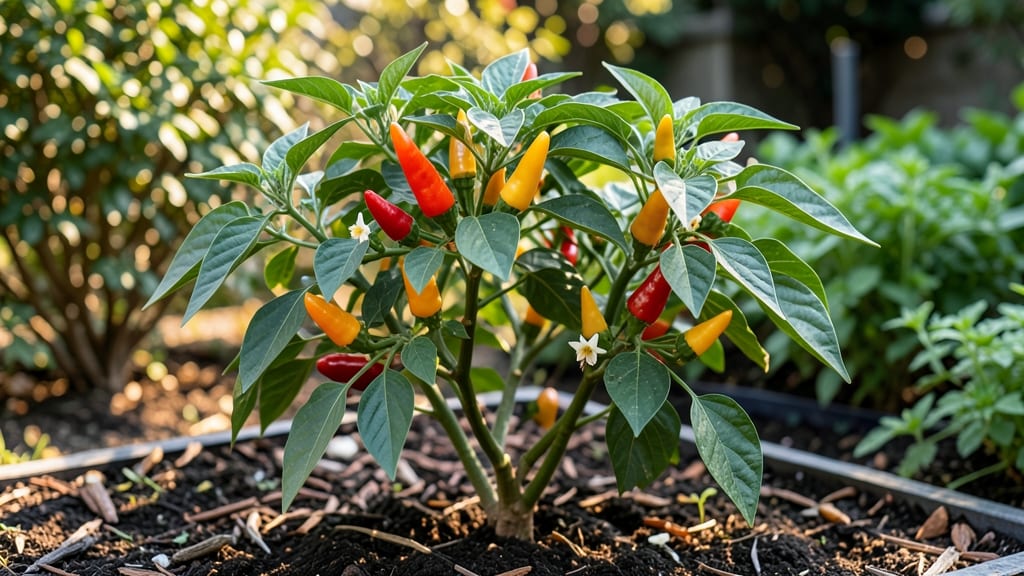
When you’re wondering how tall a habanero plant grows, you might expect something wild and sprawling—but these fiery little plants actually stay surprisingly compact, making them perfect for small gardens or containers.
Most varieties top out between 2 and 3 feet, though some can stretch toward 4 feet with ideal care, so your space planning doesn’t have to be a gamble.
What’s even better? Their manageable size means you can grow them almost anywhere—whether you’re working with a sunny windowsill, a raised bed, or even a balcony planter.
The key to keeping them at their sweet spot (pun intended) lies in a few simple habits, like proper spacing and occasional pruning to encourage bushier growth.
If you’re wondering how to maximize your harvest without sacrificing space, you’re in the right place.
I’ll break down exactly how tall habaneros typically grow, what factors can influence their height, and the easiest ways to support them—so you can enjoy a bumper crop of those signature Scoville-scale peppers without the sprawl.
Ready to turn your garden into a mini habanero haven? Let’s dive into the details so you can plan your layout with confidence—and maybe even save room for a few extra plants (or a snack break).


Habanero plant height: what to expect from seed to harvest
Habanero peppers are the fiery stars of any garden, but their compact stature often surprises new growers. Unlike sprawling vines, these plants typically reach 18 to 36 inches at maturity—making them perfect for small spaces, containers, or even sunny windowsills.
Understanding their growth stages helps you plan for the perfect harvest without sacrificing space for other plants.
The height of a habanero plant depends on the variety, growing conditions, and care. Some, like the 'Carolina Reaper', stay on the shorter side (18-24 inches), while others, such as 'Louisiana Sweet', can stretch toward 36 inches.
Even within the same variety, factors like sunlight, pruning, and soil quality can influence how tall your plant grows.
| Variety | Mature Height | Growth Habit | Best For |
|---|---|---|---|
| 'Carolina Reaper' | 18-24" | Compact bush | Containers, small gardens |
| 'Louisiana Sweet' | 24-36" | Semi-bushy | In-ground beds, trellises |
| 'Red Savina' | 20-30" | Medium bush | Balcony gardens, raised beds |
| 'Chocolate Habanero' | 22-32" | Bushy, sprawling | Trellises, large containers |
From seed to harvest, habanero plants follow a predictable growth pattern. In their first 6-8 weeks, seedlings focus on root and leaf development, staying under 6 inches tall. By 8-12 weeks, they enter the flowering stage, where height increases rapidly—often doubling in size.
If you notice excessive stretching (reaching 36+ inches), your plant may be reaching for sunlight or nutrients.
Pruning is your secret weapon for controlling height and boosting yield. Pinch off the top set of leaves when the plant hits 12-18 inches to encourage bushier growth and more pepper production.
This technique works especially well for container-grown habaneros, where space is limited. Just be sure to prune in the morning to allow wounds to heal before evening moisture sets in.
Soil quality plays a huge role in determining height. Habaneros thrive in well-draining, slightly acidic soil (pH 6.0-6.8). If your soil is nutrient-poor, plants may grow taller but leggier as they stretch for resources.
Amend your soil with compost or aged manure before planting to support compact, healthy growth. Over-fertilizing with nitrogen can also lead to excessive foliage at the expense of peppers.
Light is another critical factor. Habaneros need 6+ hours of direct sunlight daily to stay compact and productive. In shady conditions, they’ll grow taller and produce fewer peppers.
If you’re growing indoors near a window, rotate your plants weekly to ensure even light exposure. A grow light can also help maintain ideal height and fruit production.
Watering habits affect height too. Overwatering can cause plants to grow tall and weak, while underwatering may stunt growth. Aim for 1-2 inches of water per week, watering deeply at the base rather than overhead.
Mulching with straw or shredded leaves helps retain moisture and keeps roots cool, promoting steady, controlled growth.
If your habanero starts to outgrow its space, don’t panic. Use bamboo stakes or small cages to support taller varieties like 'Louisiana Sweet.' For bushier types, prune lower leaves to improve airflow and reduce disease risk.
With the right care, even a 36-inch habanero can thrive in a 5-gallon container—proving that fiery flavors don’t need a lot of space to shine.
Remember, the height of your habanero isn’t just about aesthetics—it’s directly tied to yield and health. By choosing the right variety, pruning strategically, and providing optimal growing conditions, you’ll enjoy a bumper crop of spicy, vibrant peppers without sacrificing your garden’s layout. Happy growing!
How habanero plant height affects your garden layout
Understanding habanero plant height is key to designing a productive garden without overcrowding. These peppers typically reach 18 to 36 inches tall, but their compact size makes them perfect for small spaces. Proper spacing and layout can maximize your fiery harvest while keeping the garden organized and healthy.
For in-ground planting, maintain 12 to 18 inches between plants to allow airflow and prevent disease. This spacing also gives roots room to spread, ensuring strong growth. If you're working with bushier varieties like 'Carolina Reaper', consider spacing them 24 inches apart to avoid competition for nutrients.
🌱 Habanero Plant Layout Tips
- In-Ground Spacing: 12-18" apart for standard varieties
- Container Size: Minimum 12" diameter per plant
- Trellising: Use stakes for bushier types to save space
- Companion Plants: Pair with basil or marigolds for pest control
- Row Spacing: 24-36" between rows for easy access
Container gardening is another great option for habaneros, especially in urban settings. Choose pots that are at least 12 inches in diameter and provide drainage holes to prevent root rot.
Since habaneros have shallow roots, containers with 5-7 gallons of soil per plant work well. Place containers where they'll receive 6+ hours of sunlight daily.
If you're growing taller varieties or want to save space, consider trellising habanero plants. Use bamboo stakes or small cages to support the plants as they grow. This method not only saves space but also improves airflow, reducing the risk of fungal diseases.
Just be sure to tie the plants loosely to avoid damaging the stems.
When planning companion plants, keep in mind that habaneros benefit from being near basil, marigolds, or onions, which can deter pests like aphids. Avoid planting them near fennel or dill, as these herbs can stunt habanero growth.
Strategic companion planting can also help maximize your garden's productivity in limited spaces.
Finally, always consider your garden's layout when planting habaneros. Group them with other pepper varieties or herbs that share similar care requirements. This not only makes maintenance easier but also creates a cohesive and visually appealing garden design.
With the right spacing and planning, your habanero plants will thrive and produce a bountiful harvest of fiery peppers.