
Plants
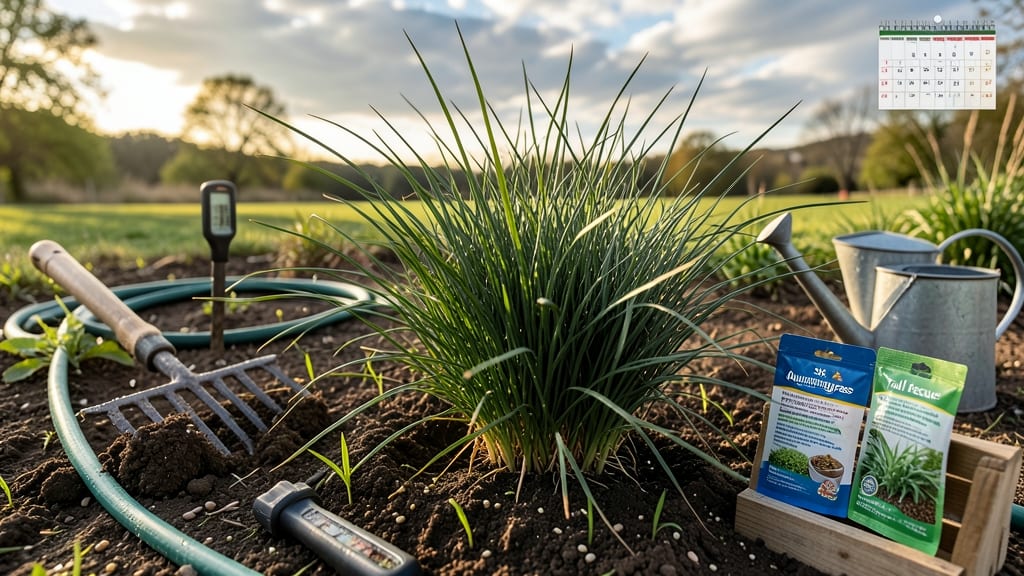
Planting grass seed in Florida at the wrong time can mean the difference between a vibrant, green lawn and a frustrating, patchy mess—especially when you're dealing with scorching summers and sudden downpours.
The key to success lies in timing, and if you wait until the heat peaks or the rains flood your yard, you're setting yourself up for failure.
Most Florida gardeners know spring and fall are the best times to plant, but did you realize there's a 30-day window in late spring and early fall that makes all the difference?
This isn’t just about avoiding the heat—it’s about giving your 🌱 grass seed the ideal conditions to germinate and thrive without battling extreme weather or fungal growth.
Whether you're in North Florida’s cooler Zone 8a or South Florida’s tropical Zone 11, the right timing ensures your grass seed gets the moisture, temperature, and sunlight it needs.
I’ll show you exactly when to plant, how to prepare your soil, and the three critical mistakes that kill growth before it even starts.
Let’s cut through the guesswork so you can finally have that lush lawn you’ve been dreaming of—without wasting time, money, or energy on failed attempts.
Best planting windows for Florida grass seed: month-by-month guide
Florida’s unique climate demands precision when planting grass seed—too early risks frost damage (in rare Zone 8a areas), while summer heat can scorch seeds before germination. The key is timing your planting with rainfall patterns and temperature shifts between North Florida (cooler) and South Florida (warmer).
Cool-season grasses like Tall Fescue thrive in fall, while warm-season varieties such as St. Augustine or Bahiagrass need spring planting. Even within Florida, microclimates shift planting windows by 30-60 days—North Florida’s September-October window aligns with Central Florida’s November, while South Florida’s August-September is ideal for warm-season types.
Rainfall timing is critical—plant when weekly rainfall averages 1-2 inches to reduce irrigation needs. September-October often delivers this naturally, but irrigation scheduling becomes crucial in dry springs (e.g., 2023’s March-May drought).
North Florida (Zones 8a-9a) can plant cool-season grasses as early as late August (before 90°F heat sets in), while South Florida (Zones 10a-11) avoids summer planting entirely due to humidity and pests. Central Florida (Zone 9b) bridges the gap with September-November as its sweet spot.
| Month | North Florida (Zones 8a-9a) | Central Florida (Zone 9b) | South Florida (Zones 10a-11) | Grass Type |
|---|---|---|---|---|
| March-April | ✅ Ideal (warm-season) | ✅ Ideal (warm-season) | ⚠️ Risky (heat stress) | St. Augustine, Bahiagrass, Centipede |
| May-June | ❌ Avoid (extreme heat) | ❌ Avoid (humidity/pests) | ❌ Avoid (fungal risk) | None recommended |
| July-August | ❌ Avoid (dormancy risk) | ⚠️ Possible (shade areas) | ✅ Ideal (warm-season) | St. Augustine, Zoysia |
| September-October | ✅ Ideal (cool-season) | ✅ Ideal (transition) | ✅ Ideal (warm-season) | Tall Fescue, Bermuda, Centipede |
| November-December | ✅ Ideal (cool-season) | ⚠️ Possible (mild areas) | ❌ Avoid (dormancy) | Tall Fescue, Ryegrass |
For North Florida, September-October is prime for cool-season grasses like Tall Fescue, while March-April works for warm-season types. Central Florida extends the window slightly later—October-November for cool-season and August-September for warm-season. South Florida’s August-September window avoids summer’s 95°F+ heat and aligns with natural rainfall peaks.
Align planting with Florida’s hurricane season (June-November)—avoid late August-September if storms are forecasted, as <
3 Critical mistakes that kill Florida grass seed growth (and how to Avoid them)
If you’ve ever poured time, money, and effort into planting grass seed in Florida only to watch it fail, you’re not alone. The wrong timing, poor soil conditions, and ignoring local microclimates can turn your dream lawn into a patchy disappointment.
Florida’s unique climate—with its humid heat and sudden rain—demands specific strategies to give your grass seed the best shot at survival.
Even experienced gardeners make these mistakes, but the good news is they’re all avoidable. By focusing on three critical errors, you can dramatically improve your success rate.
Whether you’re in North Florida’s cooler zones or South Florida’s tropical heat, these fixes will help your grass seed thrive instead of struggle.
⚠️ Mistake #1: Planting During Peak Heat or Rainy Seasons
Florida’s summer heat (85°F+) and heavy rains create the perfect storm for failed grass seed. Seeds planted in June-August often bake in the sun or wash away before germinating. Even September can be too hot in South Florida, while North Florida’s Zone 8a might still see lingering heat.
Fix: Aim for late spring (March-April) or early fall (September-October). These windows offer mild temps (70-85°F) and steady moisture—ideal for germination. If you must plant in summer, use shade cloth and drip irrigation to protect seeds.
Another common mistake is skipping soil preparation. Florida’s soil is often sandy or clay-heavy, which drains too quickly or compacts easily. Without proper prep, your grass seed won’t get the nutrients or moisture it needs to establish roots.
I’ve seen lawns fail because the soil was too dense or lacked organic matter—both critical for seedling growth.
To avoid this, test your soil’s pH (aim for 6.0-7.0) and amend it with compost or peat moss before planting. Loosen the top 4 inches of soil with a rake or aerator to create a seed-friendly bed.
This step alone can double your germination rate by improving water and nutrient absorption.
Finally, many gardeners ignore shade or sun exposure when choosing grass types. Planting shade-tolerant grasses like St. Augustine in full sun or sun-loving Bahiagrass under trees sets you up for failure. Florida’s microclimates mean your neighbor’s lawn might thrive where yours struggles—because their grass type matches their light conditions.
Take time to map your yard’s sunlight before planting. Use a sun/shade calculator or observe how sunlight shifts throughout the day. If you have partial shade, opt for Centipedegrass or Zoysia.
For full sun, Bahiagrass or Tifton 85 are better choices. Matching your grass type to its light needs is the final piece of the puzzle for a lush, healthy lawn.