
How To
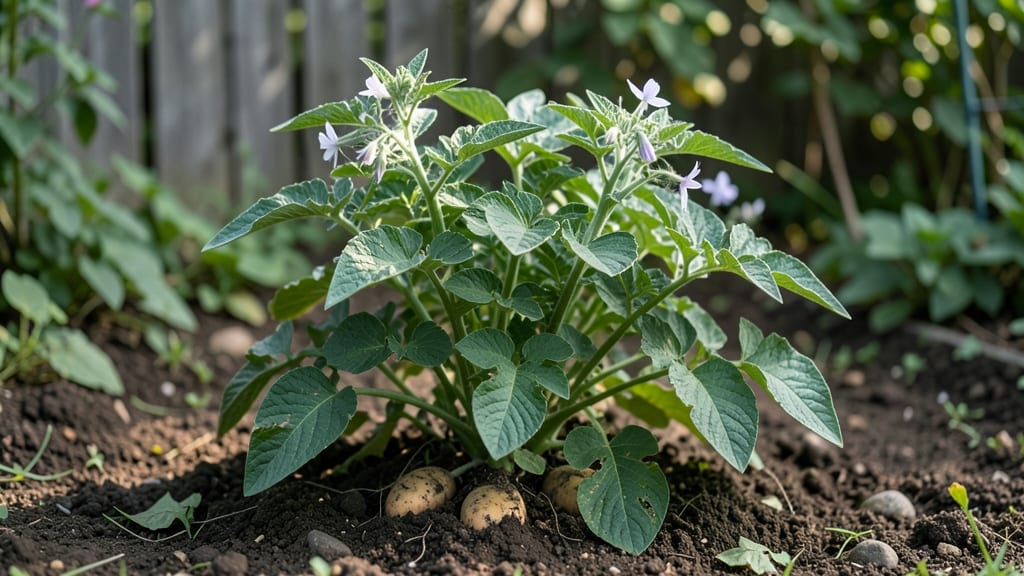
If your potato plants are reaching for the sky like 🥔 superheroes, you’re not alone—some varieties grow tall enough to block sunlight for nearby plants, while others stay neatly contained.
The truth is, potato plant height can swing wildly from just 8 inches to over 3 feet, depending on the type you’re growing.
This variation isn’t just about aesthetics—it directly impacts your harvest. Compact varieties like Yukon Gold stay low and bushy, making them perfect for small gardens or containers, while sprawling types like Idaho Russet need space to stretch their legs (and vines).
Understanding these differences helps you plan your garden layout and avoid the dreaded "potato jungle" that chokes out other crops.
But here’s the kicker: height isn’t everything. Even tall varieties produce most of their bounty underground, where the real magic happens.
I’ll break down exactly how to manage your potato plants’ growth—whether you’re dealing with sky-high stalks or stubbornly short stems—so you can maximize your harvest without sacrificing garden real estate.
Ready to turn your potato patch from a tangled mess into a well-organized, high-yielding dream? Let’s dig into the specifics of what makes these plants grow the way they do—and how you can work with (or against) their natural tendencies for the best results.


Potato plant height by variety: from dwarf to towering giants
Potato plants are famous for their dramatic height differences—some stay compact enough for containers, while others stretch like vines toward the sky. The foliage height (above-ground growth) rarely tells the full story, though, since the real prize—edible tubers—grows underground.
Understanding these differences helps you plan spacing, trellising, and even harvest strategies for your garden.
Most gardeners focus on foliage height when choosing varieties, but the root system (where tubers form) can spread just as wide. For example, a 3-foot-tall russet might have tubers spreading 18 inches outward, while a 12-inch fingerling stays contained in a 10-inch radius.
This underground spread is just as critical as the plant’s reach above soil.
Why height matters: Taller varieties need more vertical support and spacious spacing to avoid disease and competition. Dwarf varieties, meanwhile, thrive in containers or small plots where space is limited. Below, we’ll break down the height ranges of popular varieties and how they grow—from bushy compact to vining giants.
🌱 Pro Tip: Always measure from the soil line to the top leaf (not including flowers or stems) when comparing heights. This ensures consistency across varieties.
Notice how taller varieties like russets need more space to avoid crowding, while dwarf types like fingerlings pack tubers densely in a small area. This spacing rule applies whether you’re growing in rows, containers, or raised beds.
For example, a 3-foot-tall russet planted 12 inches apart will struggle, but the same spacing works for a 12-inch fingerling.
The growth habit also dictates how you’ll manage your plants. Vining varieties (like russets) benefit from trellising or staking to prevent foliage collapse and improve airflow. Meanwhile, bushy types (like Yukon Gold) stay sturdy on their own but may need hilling (piling soil around stems) to encourage more tuber production.
💡 Advanced Tip: If you’re short on space, consider interplanting fast-maturing dwarf varieties (like fingerlings) with slower-growing tall types (like russets). The fingerlings will harvest early, freeing up space for the later maturers.
How to control potato plant height for better yields
Potato plant height can dramatically impact your harvest, but many gardeners struggle to manage it effectively. Overgrowth can lead to tangled foliage and reduced tuber production, while stunted growth may signal nutrient deficiencies or poor soil conditions.
The key is understanding how to guide your plants toward their ideal height for your specific variety and garden space.
For most potato varieties, the foliage height ranges from 1 to 3 feet, but this can vary significantly based on growing conditions. Dwarf varieties like 'Yukon Gold' stay compact at 8–12 inches, while sprawling types like 'Idaho Russet' can reach 3 feet or more.
Learning how to control this growth ensures healthier plants and easier harvesting.
⚠️ Warning: Height Doesn't Equal Harvest!
Taller foliage doesn't mean bigger tubers. In fact, overly tall plants often produce smaller potatoes because energy goes into leaf growth instead of tuber development. Ideal height depends on your variety—prune or trellis to redirect energy where it matters most: underground!
One of the most effective ways to manage potato plant height is through pruning techniques. When your plants reach about 12–18 inches tall, pinch off the growing tips to encourage bushier, shorter growth.
This method works especially well for bush varieties like 'Red LaSoda' and helps prevent the plants from becoming top-heavy, which can lead to lodging (falling over).
For vining varieties like 'Kennebec' or 'Russet Burbank', consider using trellising or staking. Training vines vertically not only saves space but also improves air circulation, reducing the risk of blight and other diseases.
Use sturdy cages or stakes and gently weave the vines upward as they grow. This technique can also make harvesting easier by keeping the foliage off the ground.
Avoid common mistakes that can disrupt your potato plants' height and growth. Over-fertilizing with nitrogen leads to lush foliage at the expense of tuber development. Instead, use a balanced fertilizer (10-10-10) and focus on phosphorus and potassium to encourage root and tuber growth.
Additionally, ensure your soil has good drainage—waterlogged conditions stunt growth and invite rot.
Finally, monitor your plants for signs of stress, such as yellowing leaves or wilting, which can indicate nutrient deficiencies or pests. Adjust your care routine accordingly—whether that means adding compost, adjusting watering schedules, or introducing organic pest control.
With the right approach, you'll guide your potato plants to their ideal height for a bountiful harvest. 🌱