
Plants
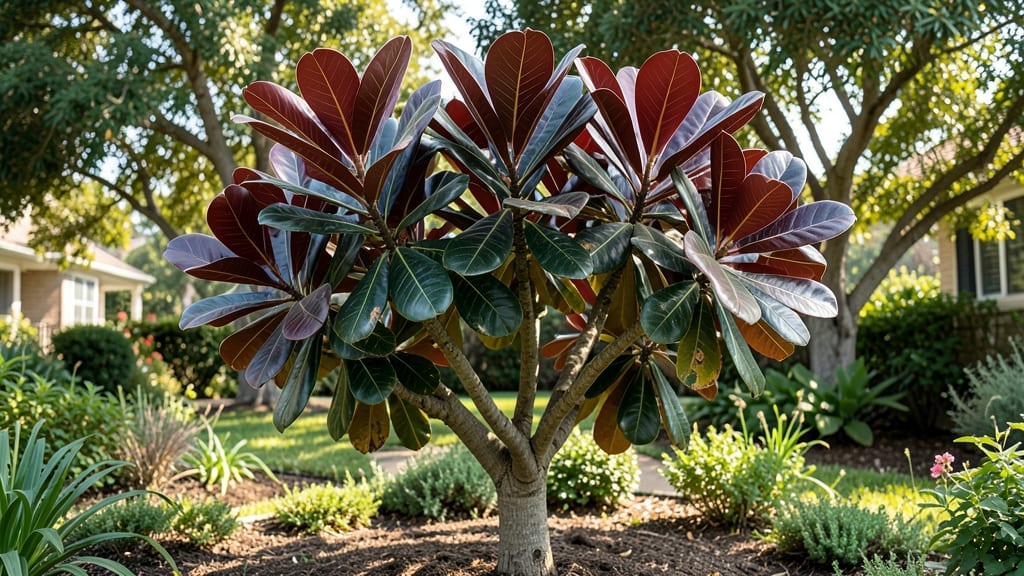
If you’ve ever wondered how tall your rubber plant 🌿 could grow, the answer might surprise you—these plants can reach heights of 6 to 10 feet indoors with the right conditions, turning your living space into a lush jungle faster than you’d expect.
But before you start measuring your ceilings, there’s good news: with a few simple care tricks, you can easily manage its growth.
Whether you love a towering statement plant or prefer a compact, bushy look, understanding how light, pruning, and pot size play a role will help you keep it at your ideal height.
The key to controlling rubber plant height lies in pruning and placement. A little strategic trimming can encourage fuller growth, while placing it near a bright window (without direct sun) keeps it from stretching too tall. Let’s break down exactly how to balance its natural growth with your space.
From the 'Black Prince' variety’s deep purple leaves to the classic 'Decora' with its glossy green foliage, each type has its own growth quirks. I’ll share my top tips for keeping yours from becoming a ceiling hazard—so you can enjoy its beauty without the headache of a runaway rubber plant.


Natural height range of rubber plants: what to expect indoors
Rubber plants (Ficus elastica) are popular houseplants known for their striking foliage and impressive growth potential. Under ideal indoor conditions, they can reach heights that surprise many plant parents.
The natural height range varies significantly based on variety, care, and growing conditions, but most mature rubber plants indoors typically grow between 6 to 10 feet tall if left unpruned. This makes them perfect for adding vertical interest to your space, but also means planning ahead is key.
If you're curious about how quickly your rubber plant will grow or how to manage its size, understanding these growth patterns is essential. The growth rate of a rubber plant can be impressive—expect 1 to 2 feet of growth per year under optimal conditions.
However, factors like light exposure, pot size, and pruning habits can dramatically influence how tall your plant becomes. For example, a rubber plant in a bright, indirect light spot with regular pruning may stay more compact, while one in low light could stretch excessively.
Variety also plays a role in determining height. Standard varieties like 'Black Prince' or 'Tineke' can easily reach 10 feet indoors, while dwarf varieties like 'Burgundy' or 'Doescheri' typically stay between 3 to 6 feet tall. Choosing the right variety for your space can help you avoid a plant that outgrows its welcome. For instance, if your ceiling is 8 feet high, a dwarf variety might be the better choice to keep maintenance manageable.
| Variety | Mature Height (Indoors) | Growth Rate (Per Year) | Ideal Light Conditions |
|---|---|---|---|
| Standard (e.g., 'Black Prince') | 6-10 feet | 1-2 feet | Bright, indirect light |
| Dwarf (e.g., 'Burgundy') | 3-6 feet | 6-12 inches | Medium to bright indirect |
| Variegated (e.g., 'Tineke') | 6-10 feet | 1-2 feet | Bright, indirect light |
| Doescheri (e.g., 'White Knight') | 4-8 feet | 1-1.5 feet | Medium to bright indirect |
One of the most critical factors influencing your rubber plant's height is light exposure. These plants thrive in bright, indirect light, which encourages healthy, upright growth.
If your rubber plant isn't getting enough light, it may start to stretch toward light sources, a condition known as etiolation. This stretching can make the plant look leggy and weak, often leading to a taller, less compact appearance.
To prevent this, place your rubber plant near an east-facing window or under grow lights if natural light is limited.
Another key factor is pot size. Rubber plants grow best when they're slightly root-bound, meaning their roots fill the pot and start circling the drainage holes. However, if the pot is too large, the plant may focus its energy on filling the extra space rather than growing taller.
A pot that's 1-2 inches larger in diameter than the root ball is ideal for most rubber plants. If you notice roots growing out of the drainage holes, it's time to repot into a slightly larger container to support continued growth.
Pruning is another effective way to control your rubber plant's height and encourage a bushier shape. Regular pruning not only keeps the plant manageable but also promotes new growth. To prune, simply use clean, sharp pruning shears to cut back leggy stems just above a leaf node.
The cuttings can then be propagated in water or soil to grow new plants. Pruning in early spring is ideal, as it gives the plant time to recover and grow before the warmer months. This practice can reduce the plant's height by up to 50% if done consistently.
Healthy growth patterns in rubber plants include glossy, dark green leaves and a sturdy stem. If your plant is growing too tall too quickly, it might be a sign of over-fertilization or excessive watering. Both can lead to rapid, but weak, growth.
To maintain a balanced height, fertilize your rubber plant every 4-6 weeks during the growing season (spring and summer) with a balanced, water-soluble fertilizer. Reduce or stop fertilizing in the fall and winter to allow the plant to rest and grow more slowly.
Identifying whether your rubber plant is growing at a healthy rate involves observing its leaf size, stem thickness, and overall structure. Healthy rubber plants have large, vibrant leaves and a thick, sturdy stem.
If the leaves are small or the stem is thin and weak, it may indicate
How to control rubber plant height: pruning and care techniques
Controlling your rubber plant's height starts with understanding its growth habits. These plants can grow up to 10 feet tall indoors if left unchecked, but with strategic pruning and care, you can keep it at a manageable size.
The key is timing—prune in spring or early summer when the plant is actively growing, and always use sterilized tools to prevent disease.
Before you prune, identify the best stems to cut. Look for stems that are at least 6 inches long with multiple leaves. These will root easily and can be used for propagation.
I recommend cutting just above a leaf node, where new growth will emerge. This encourages your plant to branch out, creating a fuller, bushier look instead of a single tall stem.
- Gather your tools: sterilized pruning shears, rooting hormone (optional), and small pots for cuttings.
- Locate the leaf nodes on your rubber plant—these are the bumps where leaves grow. Choose stems with at least 3-4 nodes for best results.
- Make a clean diagonal cut just above a leaf node using your pruning shears. This prevents water from pooling and causing rot.
- Place the cutting in room-temperature water or a well-draining propagation mix. If using water, change it every 3-5 days to prevent bacteria.
- Set your cutting in a bright, indirect light spot, avoiding direct sunlight which can scorch new growth. Keep the humidity high by covering with a plastic bag if needed.
- After 4-6 weeks, roots should form. Transplant your new cutting into a small pot with well-draining soil and continue caring for it as you would a mature plant.
Once you’ve pruned, don’t forget to adjust your care routine to support new growth. Rubber plants thrive in bright indirect light, so place your plant near an east-facing window if it’s stretching too tall.
If your plant is root-bound, repotting into a slightly larger container can also encourage bushier growth by giving roots more space to spread.
Fertilizing plays a role too. Use a balanced fertilizer (10-10-10) every 4-6 weeks during spring and summer to support healthy growth. In fall and winter, reduce feeding to every 8-12 weeks as the plant enters dormancy. Over-fertilizing can lead to leggy growth, so always follow the package instructions.
Finally, rotate your rubber plant every 2-4 weeks to ensure even growth. This prevents one side from leaning toward the light, which can make the plant grow unevenly tall. With these techniques, you’ll keep your rubber plant at your desired height while enjoying its lush, vibrant foliage.
Remember, the goal isn’t just to control height—it’s to create a thriving, balanced plant that fits your space beautifully. Happy pruning! ✂️🌿