
Plants
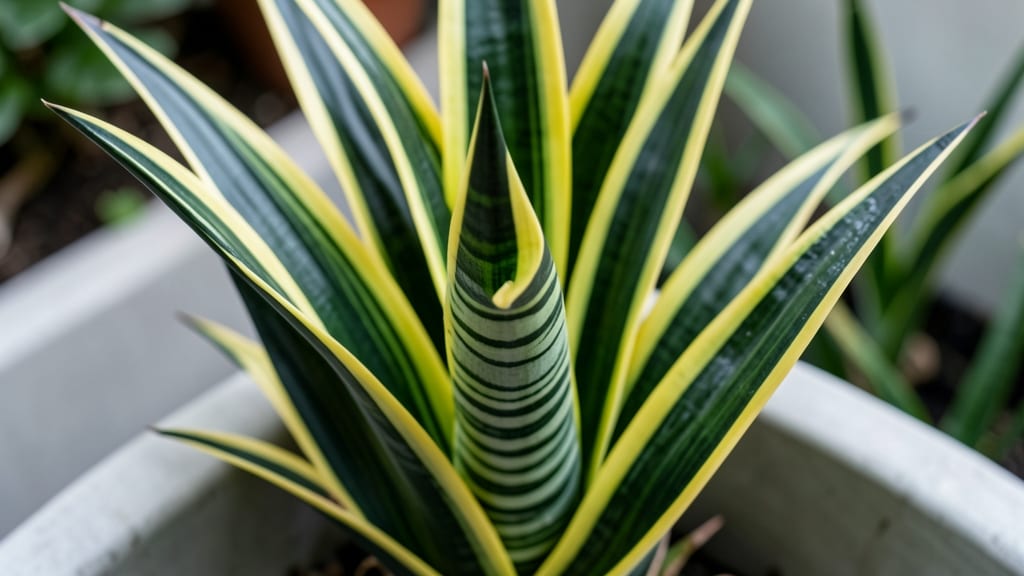
If you’ve ever glanced at your snake plant 🌱 and wondered how tall does a snake plant grow, you’re not alone—this resilient succulent can reach heights taller than you’d expect, especially in ideal conditions.
While some varieties stay compact, others can stretch toward 4 feet indoors, making height management a key part of care.
The good news? Your snake plant’s ultimate height depends on its variety, pot size, and light exposure. A standard Sansevieria trifasciata might top out at 3-4 feet, while dwarf varieties like ‘Hahnii’ stay under 2 feet.
Understanding these differences helps you choose the right variety for your space and avoid surprises down the line.
Light plays a huge role—too little slows growth, while bright indirect light encourages taller, fuller leaves. Pot size matters too: cramped roots can stunt height, while spacious containers give it room to stretch.
With the right care, you can keep your snake plant at your desired height—or let it grow wild, like nature intended.
Ready to learn how to control your snake plant’s height? We’ll cover everything from variety-specific growth habits to pruning tips that keep it at the perfect size for your home. Let’s get started!


Snake plant height limits by popular variety (indoor growth guide)
If you’ve ever wondered whether your snake plant will soon tower over your ceiling lights, you’re not alone—this hardy succulent’s growth habits can surprise even experienced plant parents. Understanding its height limits by variety helps you plan your indoor garden layout and avoid future pruning headaches.
Snake plants (Sansevieria spp.) are known for their slow, steady growth, but their mature height varies dramatically depending on the variety. While some stay compact and manageable, others can reach impressive heights indoors with proper care. Knowing these differences helps you choose the perfect plant for your space.
Below is a detailed comparison of the most popular snake plant varieties, including their typical height ranges indoors. Remember, these are general guidelines—indoor growth often stays smaller than outdoor growth due to limited light and space.
🌱
While Sansevieria trifasciata can reach 4 feet indoors with ideal conditions, most varieties stay between 1–3 feet in typical home settings. The Bird’s Nest variety (‘Hahnii’) is the shortest, making it perfect for shelves or small tables, while the Cylinder Plant can stretch taller if given enough light.
Indoor growth is often 20–30% shorter than outdoor growth due to limited light and space. If you notice your snake plant growing faster than expected, it might be root-bound or getting too much sunlight. Adjust its care to maintain a manageable height for your space.
For height control, consider these tips: use a smaller pot to restrict root growth, prune taller leaves to encourage bushier growth, and place your plant in bright indirect light rather than direct sunlight. These adjustments help keep your snake plant at a height that fits your decor.
🪴
If you’re planning to propagate your snake plant, remember that cuttings from taller varieties can regrow into new plants. This is a great way to share your favorite varieties with friends or expand your own collection without worrying about height limits.
Now that you know the height ranges for popular snake plant varieties, you can confidently choose the perfect one for your home. Whether you prefer a compact Bird’s Nest or a taller Mother-in-Law’s Tongue, there’s a snake plant variety that will thrive in your space.
Factors that control snake plant height (and how to manage them)
Your snake plant's vertical growth isn't just luck—it's a mix of genetics, environment, and care choices. While some varieties naturally reach 4 feet indoors, others stay compact. The key is understanding which factors push your plant toward the ceiling or keep it manageable.
Let's break down the top 4 height controllers and how to tweak them for your space.
First, light exposure plays the biggest role. Snake plants grow 2-3x faster in bright indirect light compared to dim corners. That's because sunlight triggers photosynthesis, fueling upward growth.
But too much direct sun can scorch leaves, stunting growth. The sweet spot? East or north-facing windows with 4-6 hours of filtered light daily.
- Light Exposure: Bright indirect = faster growth (up to 3 ft/year); low light = slower (1 ft/year). Move plants 2-3 ft from windows to balance growth.
- Pot Size: Root-bound plants grow 50% taller than those in spacious pots. Repot every 2-3 years to control height—choose pots 1-2 inches wider than the root ball.
- Pruning: Cutting 1/3 of leaf height triggers bushier growth. Use sterile scissors at the base to redirect energy to lateral shoots. Best done in spring or summer.
- Watering: Overwatering adds 1-2 extra feet of height by encouraging rapid (but weak) growth. Let soil dry 2-3 inches deep between waterings to maintain structural strength.
Next, pot size directly impacts height. Snake plants in cramped pots become root-bound, which forces them to grow taller to access nutrients. If your plant is 2+ years old and roots circle the pot, it's time to upgrade.
Choose containers just 1-2 inches wider than the root ball—any larger slows vertical growth by encouraging wider leaf production.
Don't overlook pruning techniques as a growth hack. Strategic cuts can reduce height by 30% while encouraging bushier, fuller plants. Always use sterile pruning shears and cut leaves at the base where they meet the soil.
The best time? Spring or early summer when the plant is actively growing. Save your cuttings—they root easily in water or soil!
Finally, watering habits affect height more than you'd think. Overwatered snake plants grow 1-2 feet taller but develop weak, spindly leaves. To keep your plant sturdy, water only when the top 2-3 inches of soil are completely dry.
In winter, reduce watering to once a month—this mimics dormancy and prevents excessive vertical growth.
By mastering these four factors, you'll gain full control over your snake plant's height—whether you want a compact desk companion or a statement indoor tree. Start with light adjustments, then fine-tune with pot size and pruning. Your plant's growth will thank you! 🌱