
Plants
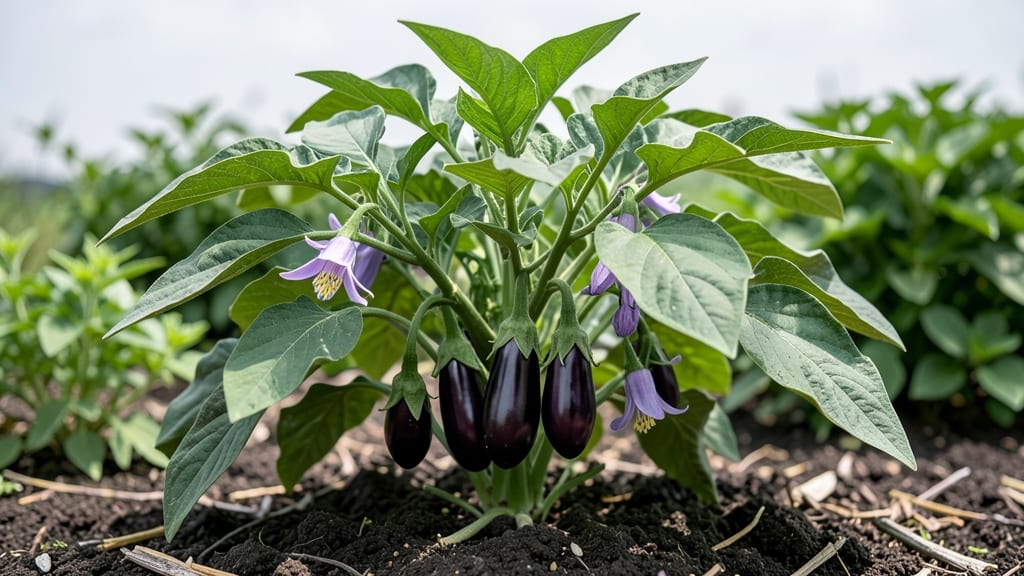
If you're planning your garden layout and wondering how tall your 🍆 eggplant plants might grow, you're in the right place. These versatile plants can range from compact 1-foot dwarfs to towering 5-foot giants, depending on the variety and growing conditions.
For most gardeners in USDA Zone 6a, standard eggplant varieties typically reach heights between 2 to 4 feet, making them perfect for both container gardens and traditional garden beds. But did you know that some heirloom varieties can stretch even taller if given the right care?
Understanding your eggplant's height potential helps you decide whether to plant them in rows, containers, or even train them up a trellis. I'll break down the differences between dwarf, standard, and giant varieties, plus share tips to control height when space is limited.
Whether you're a space-conscious urban gardener or have a sprawling backyard, knowing how to manage your eggplant's growth will help you maximize your harvest. Let's dive into the details so you can plan your garden like a pro!


Eggplant plant height by variety: dwarf to giant types explained
Choosing the right eggplant variety isn’t just about flavor—it’s about vertical space. Some varieties stay as short as 12 inches, while others can stretch to over 5 feet, dramatically changing your garden layout.
Understanding these differences helps you plan spacing, trellising, and even container sizes. Let’s break down the three main height categories so you can pick the perfect fit for your space.
Eggplants are often grouped into three height-based categories: dwarf, standard, and giant. Each category has distinct growth habits, space requirements, and ideal conditions. For example, dwarf varieties thrive in containers or tight garden beds, while giant types need room to sprawl or climb.
Knowing these differences ensures you maximize yield without overcrowding your garden.
Dwarf eggplants are the best choice for small spaces like balconies or patio containers. These varieties typically reach 1-2 feet tall and produce compact, bushy plants. They’re ideal for urban gardeners or those with limited square footage. Varieties like 'Patio Baby' or 'Fairy Tale' are perfect examples, offering early harvests and manageable sizes.
Standard eggplants fall into the 2-4 feet height range, making them versatile for both in-ground gardens and larger containers. These are the most common types you’ll find in seed catalogs, like 'Black Beauty' or 'Ichiban'. They strike a balance between space efficiency and productivity, making them a favorite for home gardeners with moderate space.
Here’s a quick reference for eggplant heights by variety type:
| Variety Type | Height Range | Space Needs | Best For |
|---|---|---|---|
| Dwarf | 12"–24" | Containers, small beds | Balconies, urban gardens |
| Standard | 2–4 ft | In-ground, large pots | Home gardens, raised beds |
| Giant | 4–6+ ft | Trellises, wide beds | Large gardens, vertical growing |
Giant eggplant varieties are the tallest, often reaching 4-6 feet or more. These are perfect for gardeners with ample space or those using trellises or cages to manage their height. Varieties like 'Long Purple' or 'Black Magic' produce long, slender fruits and need sturdy support. If you’re growing these, plan for at least 3 feet of space around each plant to prevent overcrowding.
When selecting varieties, consider your garden layout and harvest goals. Dwarf types are great for quick, frequent harvests in small areas, while taller varieties yield larger fruits but require more patience and space.
For example, 'Rosa Bianca' (a dwarf) produces small, white fruits in just 60 days, while 'Ichiban' (standard) takes 80 days but offers larger, glossy fruits.
Even within categories, growth habits vary. Some bush-type eggplants stay compact, while others send out long vines that need pruning. Always check seed packets for specific height ranges and growth habits. For instance, 'Fairy Tale' stays under 18 inches, while 'Long Black Eggplant' can exceed 5 feet without support.
Proper spacing is critical for all eggplants. Dwarf varieties need 12-18 inches between plants, standard types require 24-36 inches, and giants need 36-48 inches or more.
Overcrowding leads to poor air circulation, increasing the risk of fungal diseases like powdery mildew. Always follow spacing guidelines to ensure healthy, productive plants.
If you’re growing eggplants in containers, choose dwarf or semi-dwarf varieties. A 5-gallon pot works well for 1-2 foot tall plants, while larger containers (10+ gallons) accommodate standard types. For giant varieties, consider vertical gardening with trellises or cages to save space and improve fruit accessibility.
🌱
Factors that influence eggplant plant height and growth
Your eggplant's height isn't set in stone—it's influenced by a mix of genetics, environmental factors, and your cultivation choices. While some varieties naturally stay 1-2 feet tall, others can reach 5 feet or more under ideal conditions.
Understanding these factors helps you control growth for better yields and garden organization.
One of the biggest influences is sunlight exposure. Eggplants thrive in full sun (6-8 hours daily), which encourages vertical growth. In shadier spots, they may stay shorter but produce fewer fruits.
I've found that partial shade can actually stunt growth, leading to leggy, weak plants that struggle to support heavy eggplants.
Soil quality also plays a crucial role. Well-draining, nutrient-rich soil with plenty of organic matter promotes strong root systems that support taller growth. If your soil is poor or compacted, your eggplants may stay stunted or develop weak stems that can't support their own weight.
I always amend my garden beds with compost and a balanced fertilizer to give my plants the best start.
Eggplant Height Factors: Pros and Cons
Pros of Tall Growth
- More fruit production potential
- Better air circulation reduces disease
- Easier harvesting of large varieties
Cons of Tall Growth
- Requires staking/trellising for support
- Harder to prune lower leaves
- Needs more space in garden beds
Controlling Height
- Prune top growth to encourage bushier shape
- Use containers for dwarf varieties
- Train vines on trellises for vertical growth
Pruning is another powerful tool for managing height. Regularly pinching back the topmost growth encourages your eggplant to grow wider rather than taller. I like to prune my plants when they reach about 18 inches tall, removing the top set of leaves to redirect energy to fruit production.
This technique works especially well for standard varieties that tend to grow too tall for my garden space.
Trellising can dramatically change your eggplant's growth pattern. When you train vines upward, you're essentially giving the plant permission to grow taller while saving valuable garden space below. I've had great success with bamboo stakes or simple wire trellises, especially for varieties like 'Black Beauty' that naturally grow tall.
Just be sure to tie the main stem loosely every few inches to prevent breakage.
Finally, don't underestimate the impact of watering practices. Consistent moisture helps maintain strong stems, while inconsistent watering can lead to weak, leggy growth. I water my eggplants deeply every 2-3 days in the morning, which keeps them sturdy and encourages compact growth.
In containers, you may need to water even more frequently since potting mix dries out faster.
By paying attention to these key factors—sunlight, soil, pruning, and watering—you can guide your eggplants to grow at the perfect height for your garden. Whether you prefer compact plants for containers or towering varieties for trellises, understanding these influences gives you full control over your eggplant's growth pattern. 🌱