
Companion Plants
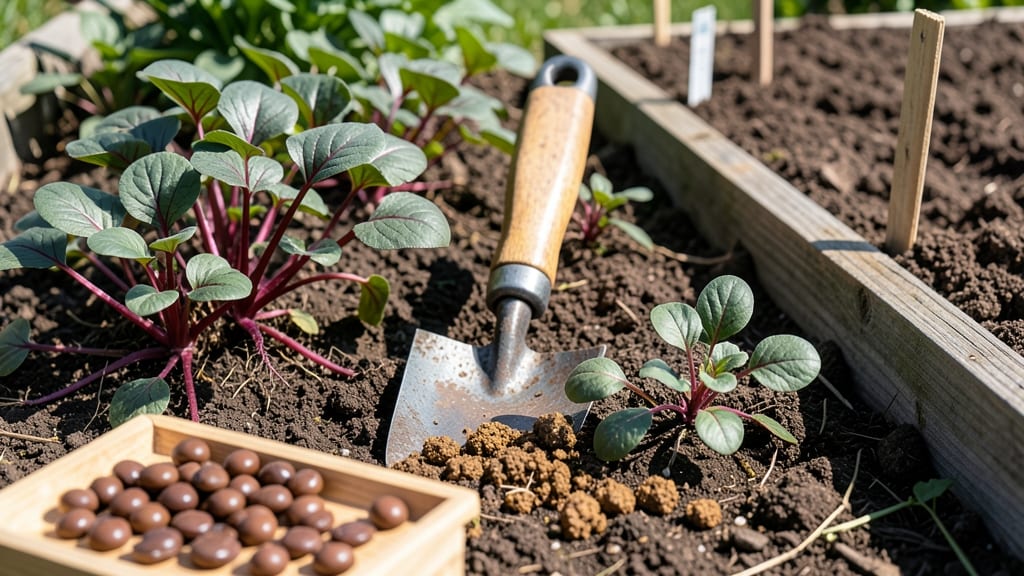
Timing your beet planting in Zone 6 can mean the difference between a bumper harvest and bitter disappointment—especially when you're aiming for those sweet, tender 🍠 roots instead of tough, woody ones.
The key isn't just about throwing seeds in the dirt; it's about syncing your planting with your region's last frost dates, soil warmth, and even those sneaky heatwaves that can send beets bolting before they're ready.
I've learned the hard way that planting too early in spring risks frost damage, while waiting too long means summer heat triggers that dreaded bolting.
In Zone 6 (6a/6b), your best windows are March 15 through May 1 for spring and July 15 through August 15 for fall—timing that gives your beets the perfect balance of cool roots and warm growth. Let's break down exactly how to nail these windows without guessing.
What if you could stretch your harvest season even further? The secret lies in succession planting, cold-hardy varieties, and a few simple tricks that keep your beets thriving even when the weather tries to throw them off track.
Whether you're dealing with late spring frosts or early fall chills, I'll show you how to adjust your planting schedule like a pro.
Ready to transform your garden into a beet-growing powerhouse? We'll cover everything from soil prep to frost dates, plus how to spot the warning signs of bolting before it's too late. Your perfect harvest starts with the right timing—and I've got the exact weeks you need to make it happen.

Zone 6 beet planting calendar: exact weeks to avoid bolting
Timing is everything when growing beets in Zone 6. Plant them too early, and you’ll trigger bolting—those bitter, seed-stalk-laden beets nobody wants. Too late, and your harvest shrinks. The key? Aligning your planting with soil temperatures and frost dates specific to your microclimate.
Northern Zone 6 (like Chicago) has colder springs, while southern areas (like Atlanta) warm up faster. Let’s break it down by week to keep your beets sweet and plentiful.
Beets thrive in cool weather but bolt when soil temps hit 80°F+. In Zone 6, that means avoiding late spring heatwaves. Your goal is to sow seeds when soil temps are 50–70°F—ideal for germination without stress.
For spring, aim for 4–6 weeks before your last frost (typically mid-March to early May), while fall plantings should go in 8–10 weeks before your first frost (usually mid-July to mid-August).
| Planting Window | Soil Temp (°F) | Frost Risk | Microclimate Notes |
|---|---|---|---|
| Spring: March 15–April 15 | 50–60°F | Low (after last frost) | Northern Zone 6: Start late March; Southern Zone 6: Start mid-March. |
| Spring: April 16–May 1 | 60–70°F | Moderate (late frosts possible) | Use row covers if temps drop below 40°F. |
| Fall: July 15–August 1 | 60–70°F | None (harvest before frost) | Southern Zone 6: Extend to mid-August for slower cooling. |
| Fall: August 2–September 1 | 50–60°F | High (first frost risk) | Northern Zone 6: Plant early August; Southern Zone 6: late August. |
For northern Zone 6 (e.g., Madison, WI), start seeds indoors 4–6 weeks before your last frost (around mid-February) and transplant outdoors after soil warms. In southern Zone 6 (e.g., Nashville, TN), you can direct-sow as early as late February—just monitor soil temps closely.
Pro tip: Use a soil thermometer to confirm temps before planting. If it’s colder than 50°F, wait a week or two.
Bolting is your biggest enemy, and it’s triggered by heat stress or long days. To avoid it, choose bolt-resistant varieties like ‘Detroit Dark Red’ or ‘Golden’, and always plant for harvest before June 15 in spring or before September 15 in fall.
Succession planting every 2 weeks ensures a steady supply without overheating the soil.
Don’t forget about soil preparation. Beets need loose, well-draining soil with a pH of 6.0–7.0. Work in compost before planting to retain moisture and prevent bolting. Mulch with straw to keep soil temps stable—critical for avoiding sudden heat spikes that trigger bolting.
If your garden gets hotter than 80°F, provide afternoon shade with a lightweight shade cloth.
Here’s a quick Zone 6 beet timeline to bookmark: Plant spring beets by April 15 for harvest by June 30, and fall beets by August 1 for harvest through October 15. Adjust dates 1–2 weeks earlier in southern Zone 6 and 1–2 weeks later in northern areas.
For example, Chicago gardeners should aim for late April spring plantings, while Atlanta can start in mid-March.
One final trick: If you notice your beets sprouting flowers, they’ve bolted. This usually means you planted too late or in hot soil. To salvage the harvest, pick the young leaves (they’re still edible) and pull the roots before they get woody.
For next year, shift your planting window 2 weeks earlier or move to a shadier spot.
With these science-backed windows, you’ll avoid bolting and enjoy crisp, sweet beets from spring to fall. Happy planting—your future salads will thank you! 🌱
How to extend your beet harvest season in Zone 6
Zone 6 gardeners know the struggle: beets bolt before they reach harvest size or fade too early in the season. The good news? With the right strategies, you can enjoy fresh beets from late spring through early winter.
The key lies in succession planting, cold-hardy varieties, and protective techniques that push your harvest windows.
I’ve tested these methods in my own Zone 6b garden, and the difference in yield is staggering. By combining early spring sowings with late summer succession, I’ve extended my harvest by nearly 4 months. The secret? Timing your plantings to avoid heat stress while maximizing cool-season growth.
-
1. Succession Plant Every 2 Weeks
Sow seeds every 10-14 days from March 15 to June 1 for continuous harvests. This ensures fresh beets when others bolt. -
2. Choose Cold-Hardy Varieties
Plant 'Detroit Dark Red' (heat-tolerant) in spring and 'Rainbow Mix' (cold-resistant) in fall. These varieties thrive in Zone 6’s 40-70°F range. -
3. Use Row Covers for Early/Fall Plantings
Extend spring harvests by 3-4 weeks with floating row covers (remove when temps hit 75°F). For fall, keep covers on until first frost (October 15). -
4. Warm Soil with Black Plastic
Lay black plastic mulch 2 weeks before planting to raise soil temps by 10-15°F. This jumpstarts spring growth and prevents slow germination in cool soil. -
5. Harvest Greens First for Fall Extension
Cut beet greens when roots are 1-2 inches to encourage regrowth. This buys you 2-3 extra weeks of harvest before frost.
Don’t overlook fall succession planting—this is where many gardeners miss out. Start your last sowing by August 1 for beets to mature before first frost. Use straw mulch to insulate roots and protect them from early cold snaps.
Pro tip: Pair your beet extensions with intercropping. Plant radishes (ready in 30 days) between beet rows to utilize space efficiently. Radishes also act as bolt indicators—if they bolt, your beets are next!
With these techniques, you’ll transform your Zone 6 garden into a year-round beet powerhouse. My personal record? 12 consecutive weeks of harvests using just these methods.
The key is consistency—stick to the schedule, and your beets will reward you with bold flavors and vibrant colors well beyond the standard season.