
Companion Plants
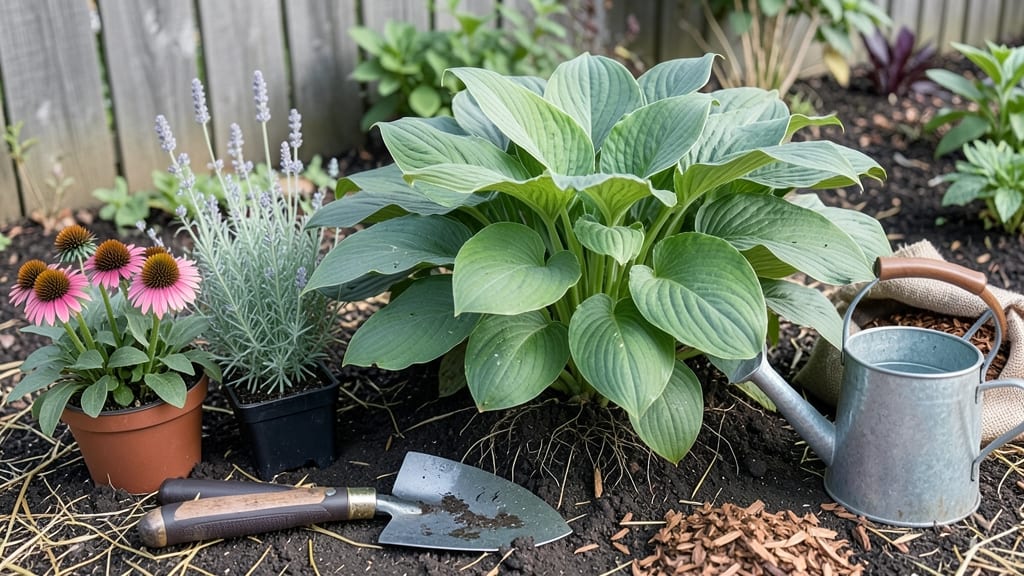
When can I plant perennials in Zone 5 is the question that separates a thriving five-year garden from a one-season disappointment—especially when frost can arrive as late as May 15 or as early as October 1.
I’ve learned the hard way that planting too early risks stunted roots, while waiting too long means missing the ideal window for strong establishment. Whether you’re adding peonies, coneflowers, or hostas, the key is understanding when the soil warms enough to support growth without inviting frost damage.
Most gardeners in Zone 5 swear by spring planting after last frost or fall planting 4-6 weeks before first frost, but there’s more to it than just dates. I’ll break down the exact months for hardy vs. tender perennials, plus how to tweak your approach for your specific microclimate.
Ready to plant with confidence? Let’s dive into the best months, soil prep secrets, and common mistakes that even experienced gardeners make—so your perennials take root and thrive for years.

Best planting months for perennials in Zone 5 by type
Timing is everything when planting perennials in Zone 5. Unlike annuals, these hardy plants need time to establish strong root systems before facing winter's harsh conditions.
In Zone 5, where last frost dates typically arrive around May 15 and first frost hits by October 1, you have two prime windows: early spring and early fall. Each offers unique advantages depending on the plant type.
Spring planting gives perennials the entire growing season to establish roots before winter, while fall planting allows them to settle in without competing with summer heat. Woody plants like shrubs and trees often prefer fall, while spring-blooming perennials like peonies and irises need that early start.
Let’s break down the best months for each type to maximize success in your Zone 5 garden.
📋 Key Considerations for Zone 5 Planting:
- Soil temperature should be at least 50°F for most perennials.
- Bare-root plants (like hostas or daylilies) thrive when planted in early spring or fall.
- Container-grown perennials can be planted anytime the soil is workable, even in late spring.
| Plant Type | Best Planting Months | Why This Timing? | Zone 5 Examples |
|---|---|---|---|
| Spring-Blooming Perennials | March–April (bare-root) or April–May (container-grown) | Establishes roots before summer heat and winter frost. | Peonies, Iris, Tulips, Bleeding Heart |
| Fall-Planted Perennials | September–October (4–6 weeks before first frost) | Avoids summer stress; roots grow in cool soil. | Hostas, Daylilies, Coneflowers, Lavender |
| Woody Plants (Shrubs/Trees) | April–May or September–October | Bare-root varieties need moist soil for root growth. | Hydrangeas, Butterfly Bush, Lilacs, Spirea |
| Bulbs (Perennializing Types) | September–October (before ground freezes) | Cold stratification improves spring blooms. | Allium, Daffodils, Crocus, Fritillaria |
| Tender Perennials (Heat-Loving) | May–June (after last frost) | Needs warm soil to prevent root rot. | Salvia, Agastache, Russian Sage |
For spring-blooming perennials, like peonies or irises, planting in March or April gives them the head start they need. These plants rely on cool-season root growth to fuel their summer blooms.
If you miss spring, don’t worry—many perennials, like hostas or coneflowers, can also be planted in early fall (September–October) for a second chance.
Woody plants, such as shrubs and trees, are best planted in early spring or fall. In Zone 5, bare-root varieties (like hydrangeas or lilacs) should go into the ground as soon as the soil is workable in April.
Fall planting is ideal for container-grown woody plants, allowing them to establish before winter dormancy.
Bulbs that naturalize (like alliums or daffodils) thrive when planted in fall. The cold stratification process they undergo over winter actually enhances bloom quality the following spring. Aim to get them in the ground by October to avoid frost damage.
If you’re working with tender perennials that crave heat (like salvia or agastache), wait until after the last frost—typically mid-May in Zone 5. Planting too early can lead to root rot in cold, wet soil. These plants benefit from warm soil temperatures (above 55°F) to thrive.
One common mistake in Zone 5 is planting bare-root perennials too late in spring. If the soil is still frozen or waterlogged, roots won’t establish properly. Always check soil temperature with a soil thermometer—aim for at least 50°F before planting.
For container-grown perennials, the rule is simpler: plant anytime the soil is workable, even in late spring.
Pro tip: Mulch heavily after planting (especially in fall) to protect roots from temperature swings and retain moisture. Use 3–4 inches of organic mulch, like shredded bark or straw, to insulate the soil and encourage root development.
Remember, Zone 5’s short growing season demands precision. By aligning your planting schedule with these type-specific windows, you’ll give your perennials the best shot at years of vibrant blooms and healthy growth. Happy gardening! 🌱
How to extend your Zone 5 planting season without risking frost damage
Zone 5 gardeners know the struggle—short growing seasons and unpredictable frosts can limit planting windows. But with the right techniques, you can safely extend your perennial planting season by weeks, even months.
The key is protecting young plants from late spring frosts and early fall chills while giving them time to establish strong roots.
Cold frames, row covers, and soil warming methods create microclimates that trick plants into thinking it's warmer than it is. These strategies let you plant hardy perennials like coneflowers and hostas earlier in spring or woody plants like shrubs later in fall without risking frost damage.
Let’s explore the most effective methods to maximize your growing season.
⚠️ WARNING: Common Mistake Alert! Many gardeners assume row covers alone will protect plants indefinitely—but frost can still sneak in if covers aren’t secured properly.
Always anchor covers with bricks or stakes and check for gaps. Soil temperature matters just as much as air temperature: Use a soil thermometer to confirm it’s above 50°F (10°C) before planting tender perennials. Skipping this step can lead to stunted growth or death, even with protective covers in place.
Start with cold frames, which are like mini greenhouses for your garden. These low, transparent structures trap heat from the sun and can raise soil temperatures by 10-15°F (5-8°C). I’ve used cold frames to plant peony roots in early March—weeks before the last frost—with no issues.
For best results, place them on south-facing slopes to maximize sunlight exposure. Add a thermometer inside to monitor temperatures and open vents on warm days to prevent overheating.
For larger garden beds, row covers (also called frost blankets) are a game-changer. Made from lightweight fabric, they create a protective barrier that can extend your planting window by 2-4 weeks in spring and 3-5 weeks in fall.
I’ve successfully grown black-eyed Susans under row covers until early November in my Zone 5 garden. Just remember to remove covers during the day in warm weather to prevent heat stress and secure them tightly at night.
Don’t overlook soil warming techniques like black plastic mulch or straw bales. These materials absorb heat during the day and release it slowly at night, creating a warmer root zone.
I’ve seen soil temperatures rise by 5-10°F (3-6°C) under black plastic, allowing me to plant hardy perennials like daylilies in early April instead of waiting for May. Pair this with a clear plastic tunnel for even better results, especially for tender perennials like lavender.
Finally, choose the right microclimates in your garden. South-facing walls, paved surfaces, or even a gravel path can create warmer pockets where plants thrive. I’ve planted Russian sage near my brick patio, where it flowers a full 2 weeks earlier than plants in open beds.
Observe your garden’s natural heat pockets and place frost-sensitive perennials there for an extended growing season.