
Companion Plants
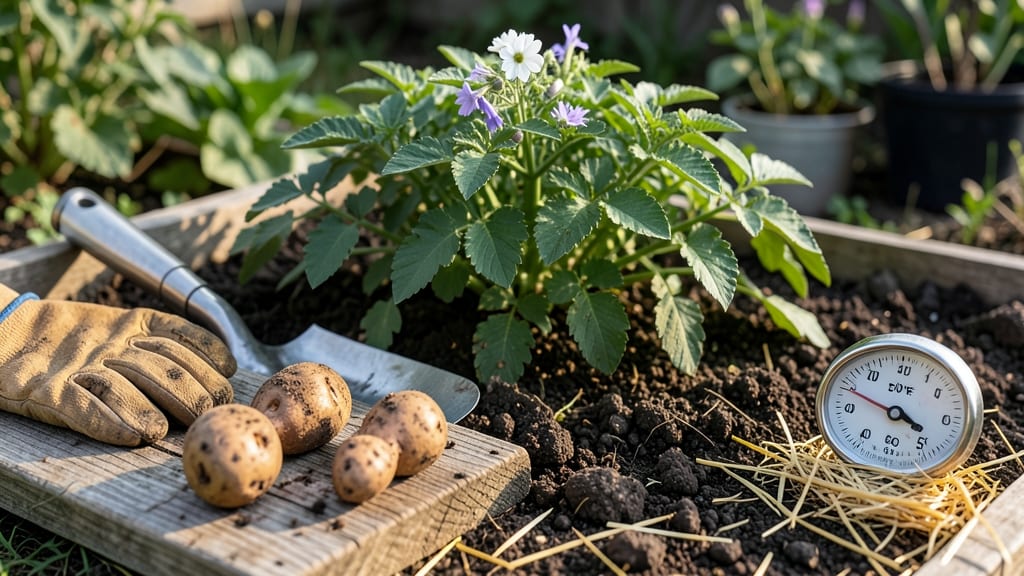
Planting potatoes in Zone 6b at the wrong time can mean the difference between a bountiful harvest and wasted effort. The key isn't just waiting for spring—it's understanding when your soil warms enough to support those 🥔 sprouts while avoiding late frosts that can kill tender shoots.
Most gardeners in Zone 6b aim to plant 2-4 weeks before the last frost, typically between mid-March and early April. But cold-hardy varieties like Yukon Gold can handle even earlier starts, while slower-growing types need warmer soil to thrive.
In this guide, I’ll break down the exact timeline, soil temperature rules, and regional tweaks to ensure your potatoes grow strong and healthy. Whether you’re a first-time planter or a seasoned gardener, these insights will help you avoid common mistakes and maximize your yield.
Ready to dig in? Let’s make sure your Zone 6b potato patch becomes the star of your summer table.

Zone 6B potato planting dates: frost-free timeline for maximum yield
In Zone 6B, where last frost dates typically land between mid-April and early May, planting potatoes too early risks frost damage, while waiting too long can shorten your growing season.
The key is planting when soil temperatures reach 45°F+ and air temperatures consistently stay above 50°F. This balance ensures strong germination without exposing tender sprouts to late frosts.
For maximum yield, aim to plant seed potatoes 2-4 weeks before your last frost date. In most of Zone 6B, this means starting in late March to early April.
Early varieties like Yukon Gold or Red Pontiac can handle cooler soils, while later maturing types (e.g., Russet Burbank) need warmer conditions for optimal tuber development.
Soil temperature is more critical than air temperature—use a soil thermometer to confirm 45°F+ at 4-inch depth. Cold, wet soils delay sprouting and increase rot risks. If your soil is still chilly, consider row covers or planting in raised beds to warm the soil faster.
| Planting Window | Soil Temp Threshold | Last Frost Buffer | Best Varieties | Harvest Window |
|---|---|---|---|---|
| Late March | 45°F+ (cold-hardy) | 4 weeks before frost | Yukon Gold, Red Pontiac | Mid-July |
| Early April | 50°F+ (ideal) | 3 weeks before frost | Kennebec, Fingerling | Late July |
| Mid-April | 55°F+ (warm soil) | 2 weeks before frost | Russet Burbank | Early August |
| Late April (succession) | 50°F+ (with covers) | 1 week before frost | Sweet Potato (longer season) | September |
Zone 6B’s microclimates can shift planting dates by weeks. If you’re in a cooler valley, plant early varieties in late March under row covers. Conversely, southern exposures or urban heat islands may allow mid-April planting without risk. Always monitor local forecasts—late frosts in May can still occur.
For succession planting, add a second batch 2-3 weeks after your first planting to stagger harvests. This works best with 60-70 day varieties like Kennebec, ensuring a continuous supply of fresh potatoes. Space later plantings 12 inches apart to avoid overcrowding as vines mature.
If your soil stays below 45°F past mid-April, consider container growing with black pots to absorb heat. Place containers near south-facing walls or use grow lights for 12+ hours daily. This extends your planting window into early May, though yields may be smaller.
Always chit your seed potatoes (pre-sprout in light) 4-6 weeks before planting to jumpstart growth. Place them in a cool, bright spot (60°F) until 1-inch sprouts form. This head start compensates for Zone 6B’s short growing season and ensures faster emergence once soil warms.
Watch for late blight warnings in Zone 6B—this fungal disease thrives in cool, wet springs. Plant resistant varieties like Adirondack Blue and avoid overhead watering. If frost threatens after sprouting, use frost cloth to protect young plants until soil stabilizes.
Harvest timing varies by variety: new potatoes (small tubers) ready in 60-70 days, while storage potatoes need 90 days. In Zone 6B, aim to harvest before first frost (mid-October) to prevent tuber rot.
Cure harvested potatoes in a dark, humid space (60°F) for 1-2 weeks to toughen skins and improve storage life.
How to adjust potato planting for Zone 6B’s unpredictable spring weather
Zone 6B’s late spring frosts can turn your potato dreams into soggy disappointment. The key is adapting your planting strategy to protect tender sprouts while ensuring soil warmth triggers germination. Unlike warmer zones, you can’t just wait for "spring"—you need a multi-layered approach combining timing, variety selection, and protective measures.
I’ve learned the hard way that planting too early risks frost-killed shoots, while waiting too late shortens the growing season. The solution? Start with cold-hardy varieties like Yukon Gold or Kennebec, then layer in protective techniques like row covers and soil warming.
This way, you can plant earlier and extend your harvest window without guessing.
Planting Potatoes in Zone 6B: What Works Best?
✅ Pros of Early Planting (Feb-March)
- Longer growing season for larger tubers
- Cold-hardy varieties thrive in 40-50°F soil
- First harvests ready by early summer
❌ Cons of Early Planting
- Risk of late frost damage to sprouts
- Slow germination in cold, wet soil
- Requires row covers or mulch
✅ Pros of Late Planting (April-May)
- Warmer soil ensures faster germination
- Lower risk of frost damage
- Good for longer-day varieties
❌ Cons of Late Planting
- Shorter growing season = smaller tubers
- Misses early harvest window
- Blight risk increases in hot summer
For the best results, I recommend a two-pronged approach: Plant cold-hardy varieties like Yukon Gold in early March under row covers, then follow up with Kennebec or Red Pontiac in late April once soil reaches 45°F+.
This gives you two harvest windows—early spuds for salads and later ones for storage.
Don’t overlook soil warming tricks either. Black plastic mulch or straw bales placed over beds 2-3 weeks before planting can raise soil temps by 5-10°F, speeding germination.
I’ve seen 3-4 day faster sprouting using this method in chilly Zone 6B springs. Just remember to remove the mulch once plants emerge to prevent overheating.
If a late frost threatens after planting, row covers are your best friend. Lightweight fabric lets sunlight through while trapping heat—think of it as a mini greenhouse for your potatoes.
I keep mine on until the danger of frost passes (usually by Mother’s Day in most of Zone 6B), then remove them to prevent humidity-related diseases.
Finally, pay attention to soil moisture during these adjustments. Too much water in cold soil can rot seed potatoes, while too little stunts growth. Aim for consistent dampness (not soggy) by watering deeply 2-3 times per week once sprouts appear.
A soil thermometer is worth its weight in gold here—shoot for 50°F+ at planting depth.