
Plants
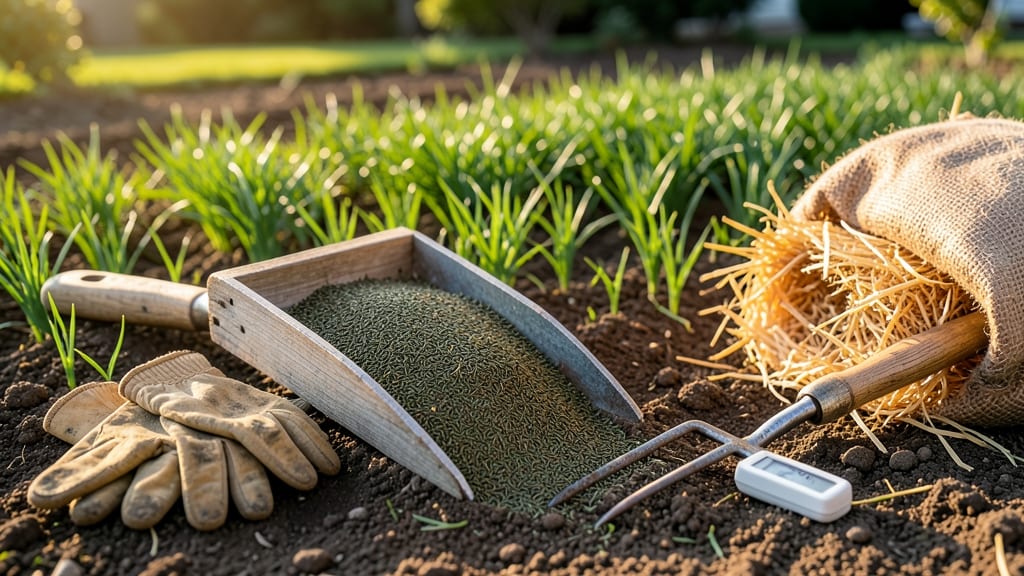
Planting grass in the spring can make or break your lawn's success—getting the timing right means the difference between a lush carpet of green and a patchy, struggling yard.
The key isn't just waiting for warmer weather; it's understanding when your soil is truly ready to support fast germination and strong root growth.
Most gardeners in USDA Zone 6a (like me!) aim for early spring, but rushing too soon can leave your seed vulnerable to frost or slow to sprout.
The magic window opens when soil temperatures hit 55–65°F, usually around March–April, but regional differences matter—northern climates may need to wait longer than southern areas.
In this guide, I’ll walk you through the exact soil temperature checklist, regional adjustments, and how to prep your yard for optimal growth.
Whether you're seeding a new lawn or overseeding an existing one, these tips will help you avoid common mistakes and see results in just 30–60 days.
Ready to transform your yard? Let’s dive into the science behind timing, so you can enjoy a vibrant lawn all season long—without the guesswork.
Spring grass planting timeline: soil temperature guidelines by region
Getting your spring grass planting right depends on one critical factor: soil temperature. Planting too early when the ground is still cold can lead to slow germination or even seed rot, while waiting too long risks summer heat stress.
The ideal window falls between 50°F and 65°F, but this varies dramatically by USDA zone and regional climate.
In northern regions (Zones 3-5), where winters are harsh, you’ll want to plant cool-season grasses like Kentucky bluegrass or fescue as soon as the soil warms to 50°F—typically in early April.
Meanwhile, southern climates (Zones 7-10) can start planting warm-season grasses like Bermuda or Zoysia once soil hits 65°F, often by late March or early April.
Here’s the key: Cool-season grasses thrive in cooler soil (50°F–60°F), while warm-season varieties need warmer soil (60°F–65°F) to germinate properly. Ignoring these thresholds can mean wasted seed or a lawn that struggles to establish.
Pro Tip: Use a soil thermometer to check temperatures at a depth of 2–4 inches. If your local forecast shows a consistent 5-day stretch within your grass type’s ideal range, it’s time to plant.
Below is a regional soil temperature guide to help you pinpoint the perfect planting window for your area. This chart breaks down USDA zones, typical last frost dates, and the ideal soil temps for both grass types.
| Region & USDA Zone | Cool-Season Grass Ideal Soil Temp | Warm-Season Grass Ideal Soil Temp | Typical Planting Window | Last Frost Date |
|---|---|---|---|---|
| Northern (Zones 3-5) | 50°F–55°F | Not recommended | Early April–Mid-May | Mid-April |
| Mid-Atlantic (Zones 6-7) | 55°F–60°F | 60°F–65°F (late spring) | Late March–Early May | Early April |
| Southern (Zones 8-10) | Not recommended | 65°F–70°F | Late March–Early April | Mid-March |
| Mountainous (Zones 4-6) | 50°F–58°F | Not recommended | Mid-April–Late May | Late April |
If you’re in a transition zone (like Zones 6-7), you might plant cool-season grasses in early spring and warm-season grasses in late spring or early summer. For example, Kentucky bluegrass can go in April, while Bermuda grass waits until May or June when soil warms further.
One common mistake is planting too early when soil temps are still below 50°F. This causes seeds to sit dormant or rot, wasting your investment. Conversely, planting too late (after 70°F) can stress seedlings, especially for cool-season grasses.
For fastest germination, aim to plant when your local 5-day forecast shows stable temps within your grass type’s ideal range. In northern climates, this often means waiting until after the last frost but before summer heat arrives.
In the South, early spring planting is critical to beat summer’s intensity.
Remember: Soil temperature is more important than air temperature. A sunny day might fool you into thinking it’s warm enough, but if the ground is still cold, your grass seed won’t germinate. Always check with a soil thermometer or rely on local gardening extensions for real-time updates.
Once you’ve nailed the timing, prepare your soil by loosening the top 2–3 inches, removing debris, and adding a balanced fertilizer (like 10-10-10) to give seedlings a nutrient boost. With the right soil temp and prep, you’ll see sprouts in 7–21 days, depending on the grass type.
🌱
5 Signs your soil is ready for grass seed (and 3 mistakes to avoid)
Knowing when your soil is ready for grass seed can save you from wasted effort and money. The perfect planting window depends on more than just the calendar—it’s about soil temperature, moisture levels, and even weather forecasts.
I’ve learned the hard way that planting too early (like in February) can leave seeds vulnerable to frost, while waiting too long (past May) risks summer heat stress.
Your soil’s readiness boils down to three key factors: temperature, moisture, and texture. For cool-season grasses (like Kentucky bluegrass or fescue), aim for soil temps between 55–65°F.
Warm-season grasses (like Bermuda) need 65–75°F—so check your local USDA zone for guidance. If you’re unsure, a simple soil thermometer (just $10 at garden centers) is your best friend.
Here’s the game-changer: your soil should stay consistently moist but not soggy. Press your finger 1–2 inches deep—if it feels damp but not muddy, you’re golden. Pro tip: Water deeply the day before planting to give seeds a head start.
And if your area’s 10-day forecast calls for rain, hold off until conditions stabilize to avoid seed erosion.
- Soil Temp Check: 55–65°F for cool-season grass, 65–75°F for warm-season (use a thermometer!).
- Moisture Test: Damp 1–2" deep (like a wrung-out sponge). Avoid planting after heavy rain.
- Weather Window: No frost in forecast for 7–10 days. Check your local last frost date.
- Soil Texture: Loose and crumbly (no hardpan). Add compost if compacted.
- Seed Selection: Cool-season grasses thrive in spring/fall; warm-season in late spring/summer.
Now, let’s talk about the three biggest mistakes I see gardeners make. First, planting too early—like in February—risks frost damage to tender seedlings. Second, ignoring soil temperature and assuming "warmer weather" means readiness (spoiler: it doesn’t!).
Third, skipping the pre-planting soil test for pH (aim for 6.0–7.0), which can leave seeds struggling to germinate.
One pro move? Overseeding in early spring (March–April) gives cool-season grasses a head start before summer heat. But if you’re in the South, wait until late spring (May) to avoid smothering new growth with weeds. Always mow existing grass short (1–1.5 inches) before seeding to ensure good seed-to-soil contact.
Remember: patience pays off. If your soil isn’t ready, wait another week—your lawn will thank you. And once you’ve nailed the timing, consistent watering (1 inch per week) and a light layer of straw mulch will keep seeds happy until they sprout in 7–21 days. Happy planting!