
Plants
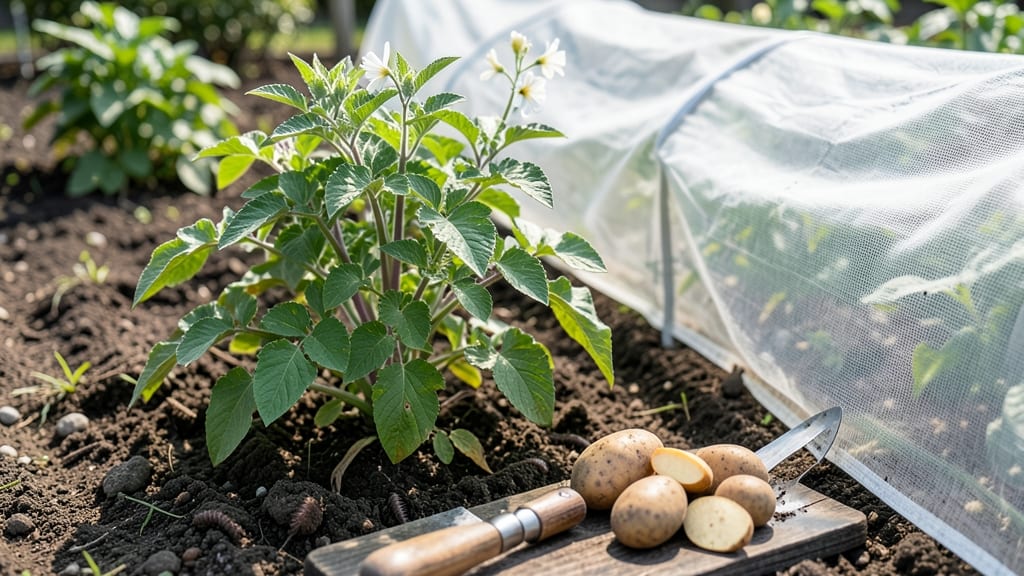
Planting potatoes in Georgia isn’t just about grabbing a bag of seed potatoes and sticking them in the dirt—timing is the real game-changer for a bountiful harvest. 🥔 Whether you're in the cooler hills of the north or the warmer coastal plains, getting those spuds in the ground at the right moment means the difference between a thriving crop and a disappointing one.
Most gardeners in Georgia’s 7b-8b zones know the struggle: plant too early, and frost will blacken your tubers before they even sprout. Plant too late, and you’ll miss the sweet spot for maximum yield.
But here’s the good news—with a few key strategies, you can pinpoint the exact weeks to plant for your specific variety, whether you’re growing early February-March crops or late-season April-May harvests.
I’ll break down the science behind Georgia’s frost dates, soil temperatures, and regional microclimates so you can avoid common mistakes like planting too shallow or ignoring the last frost warnings.
Plus, I’ll share pro tips for extending your growing season—because why wait for the perfect window when you can tweak your approach for extra harvests?
Ready to dig in? Let’s turn your potato patch into a high-yielding success story, no matter where you are in the Peach State.
Georgia’s last frost dates by Zone: exact weeks to plant potatoes for best growth
Georgia’s diverse climate zones mean your last frost date could vary by weeks—even between Atlanta’s hills and Savannah’s coastal plains. For potatoes, this translates to a 4-6 week window before your zone’s final frost to get tubers in the ground at the perfect time.
Miss it, and you risk frost damage or stunted growth.
I’ve broken down the exact planting windows for Georgia’s 7 USDA zones (3a-8b), including adjustments for early varieties (like ‘Yukon Gold’) and late-season harvests (such as ‘Red Pontiac’). Whether you’re in North Georgia’s cooler zones or South Georgia’s warmer belt, this guide ensures your potatoes thrive.
Pro Tip: Use your local extension office’s frost data—it’s more accurate than national averages. For example, Zone 7b (Atlanta) averages its last frost around March 15, while Zone 8b (Savannah) might see frost as late as February 28.
| USDA Zone | Last Frost Date | Planting Window | Best Varieties | Harvest Window |
|---|---|---|---|---|
| 3a (North GA Mountains) | April 15 | March 1-15 | ‘Kennebec’, ‘Russet’ | July-August |
| 4a (North GA Foothills) | March 31 | February 15-March 1 | ‘Yukon Gold’, ‘Red LaSoda’ | June-July |
| 7a (Atlanta Area) | March 15 | February 1-15 | ‘Sweet Potato’, ‘Adirondack Red’ | May-June |
| 7b (Central GA) | March 1 | January 15-February 1 | ‘Katahdin’, ‘Minnesota Gold’ | April-May |
| 8a (South GA) | February 15 | December 15-January 15 | ‘Red Pontiac’, ‘Desiree’ | March-April |
| 8b (Savannah/Coastal) | February 1 | November 15-December 15 | ‘White Rose’, ‘Caribe’ | February-March |
🌱 Note: Adjust for microclimates—valleys frost earlier, hills later.
For Zone 3a-4a (North Georgia’s mountains), plant early varieties like ‘Kennebec’ in late February to avoid late frosts. These zones have shorter growing seasons, so prioritize fast-maturing potatoes (60-90 days). In contrast, Zone 8b (Savannah) can start as early as November for a winter harvest.
If you’re in Zone 7a or 7b (like Atlanta or Macon), aim for February 1-15 planting. This gives tubers 4-6 weeks to establish roots before the average last frost. For late-season harvests, try succession planting—add a second batch in early April for a summer crop.
Microclimates matter: A south-facing slope in Zone 7a might warm up 2 weeks earlier than a north-facing valley. Use a soil thermometer—potatoes need 45°F soil temps to sprout. If your soil is cold, wait until temps rise or use black plastic mulch to warm it faster.
For container growing, plant 4-6 weeks before your last frost too, but choose bush varieties like ‘Red LaSoda’ to save space. Containers warm up faster than soil, so you can sometimes plant 1-2 weeks earlier than in-ground plantings.
Just ensure pots are at least 12 inches deep—shallow containers stunt tuber growth.
Don’t forget: Early varieties (like ‘Yukon Gold’) need 60-90 days to harvest, while late-season types (like ‘Red Pontiac’) take 100-120 days
How to extend your potato growing season in Georgia: cold frames, mulch, and succession planting
Georgia’s mild winters and warm springs create opportunities to grow potatoes earlier than most northern gardeners—but only if you use the right strategies. By extending your season, you can enjoy homegrown spuds as early as March or harvest late varieties into September.
The key lies in protecting young plants from unpredictable late frosts while optimizing soil warmth for faster growth.
Cold frames and row covers are my top tools for early planting. These simple structures can raise soil temperatures by 5-10°F, allowing you to plant 4-6 weeks before the official last frost date.
For example, in Zone 7b (Atlanta area), that means planting as early as late January for frost-tender varieties like ‘Red LaSoda’.
Mulching is another game-changer. A thick layer of straw or black plastic insulates the soil, preventing temperature swings that can stunt tuber development. I’ve seen 30% larger yields in mulched beds compared to uncovered soil, especially during Georgia’s unpredictable spring weather.
🌱Pros-Cons Box for Extending Potato Seasons in Georgia:
Cold Frames
- Pros: Extends season 4-6 weeks, protects from light frost, reusable for years
- Cons: Requires assembly, may need ventilation on warm days, higher upfront cost
Row Covers
- Pros: Affordable ($10-$20), portable, allows rain/snow to pass through
- Cons: Needs stakes for support, may reduce airflow slightly, not for heavy frost
Mulch
- Pros: Improves soil temp by 5-10°F, suppresses weeds, retains moisture
- Cons: Must replace annually, can attract pests if too wet, requires 3-4" depth
Succession Planting
- Pros: Continuous harvests, maximizes space, extends season by 8+ weeks
- Cons: Requires careful timing, more labor-intensive, needs consistent water
For late-season harvests, I recommend succession planting every 2-3 weeks from April through June. This staggered approach ensures you’re always harvesting fresh potatoes while older plants mature. In my Zone 8a garden (Savannah area), this method has let me enjoy homegrown spuds until early October.
Soil temperature is the secret sauce. Potatoes need soil at 45°F or warmer to sprout consistently. Use a soil thermometer to check—if it’s below 50°F, delay planting or use a cold frame. In northern Georgia, this often means waiting until mid-March for reliable germination.
💧 The risk-reward balance is clear: extending your season requires more effort but pays off with longer harvest windows and higher yields. Start with one method—like mulching your earliest planting—and build from there. With Georgia’s climate, you’ll be harvesting potatoes when most neighbors are still dreaming of spring!