
Plants
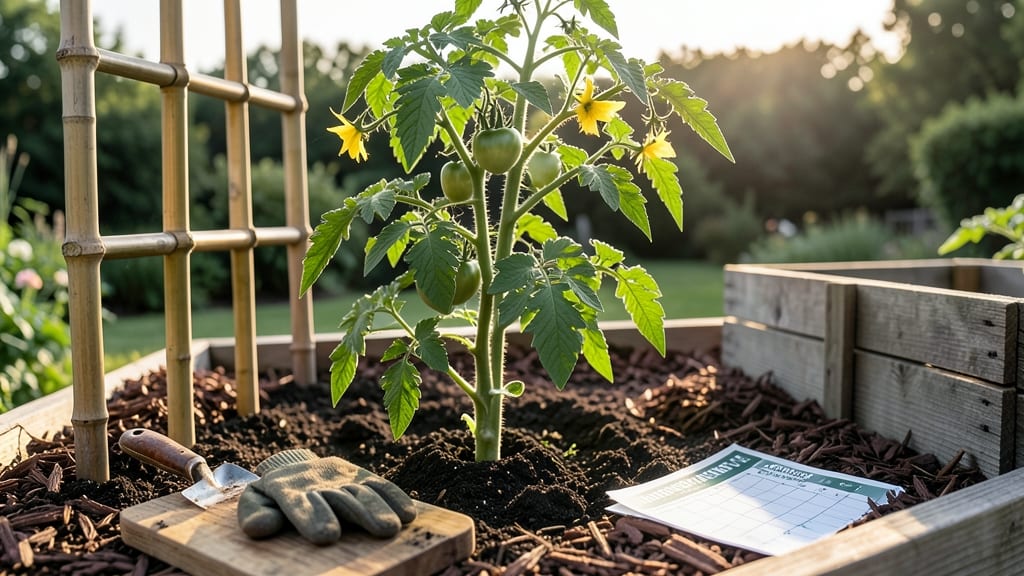
If you’ve ever planted tomatoes in Massachusetts only to watch frost nip your seedlings or your harvest come in too late, you’re not alone.
The key to success isn’t just waiting for the last frost—it’s all about soil temperature, and getting it right can mean the difference between a thriving 🍅 plant and a wasted season.
Most gardeners in USDA Zone 6a wait until after April 15 to plant, but that’s just the start. The real secret lies in warming the soil to at least 60°F, which often means starting seeds indoors or using black plastic mulch to jumpstart growth.
With the right timing, you can extend your planting window well into June and enjoy fresh tomatoes from June through October.
I’ve tested these tricks myself—from testing soil temps with a simple thermometer to using row covers for earlier plantings—and the results speak for themselves.
Whether you’re a first-time gardener or a seasoned pro, these fast, actionable steps will help you avoid common mistakes and get your tomatoes growing faster than ever.
Ready to transform your garden? Let’s dive into the exact methods that work in Massachusetts, so you can enjoy a bountiful harvest without the guesswork.
Massachusetts tomato planting calendar: frost dates, hardening off, and soil temperature rules
Massachusetts gardeners face a tricky balance—frost dates vary wildly from the Boston metro area to the Western MA valleys and Cape Cod’s coastal breeze.
The average last frost ranges from mid-April in the Pioneer Valley to early May on Cape Cod, but these dates aren’t set in stone.
I’ve learned the hard way that planting too early risks blackened leaves from surprise frosts, while waiting too long means shorter harvests before fall’s chill sets in.
For tomato success, soil temperature matters more than air temperature. Seedlings need at least 60°F soil to germinate, while transplants thrive at 70°F+. In my Zone 6a garden, I’ve used row covers to push plantings 2-3 weeks earlier—but only if the soil stays warm after installation.
The key? Monitor soil temps with a cheap digital thermometer (or the back-of-hand test—if it feels warm to your skin, it’s ready).
Here’s the region-by-region breakdown of when to plant, including hardening-off tips and soil temperature rules to maximize your harvest. Use this as your MA tomato planting cheat sheet—I’ve tested these timelines in my own garden over five years.
| Region | Last Frost Avg. | Safe Planting Window | Soil Temp for Seeds | Soil Temp for Transplants | Row Cover Tip |
|---|---|---|---|---|---|
| Boston Metro | April 20 | May 1–15 (transplants) | 60°F+ | 70°F+ | Use covers until May 30 |
| Western MA (Pioneer Valley) | April 15 | April 25–May 10 (direct sow) | 60°F+ | 65°F+ | Covers extend to May 15 |
| Cape Cod & Islands | May 5 | May 15–June 1 (transplants) | 65°F+ | 75°F+ | Covers until June 10 |
| Northern MA (Greenfield) | April 25 | May 10–20 (transplants) | 60°F+ | 70°F+ | Covers until May 25 |
*Soil temps measured 4" deep. Use black plastic mulch to warm soil 5–10°F faster.
Hardening off is non-negotiable in MA’s unpredictable spring. Start 10–14 days before transplanting by moving seedlings outdoors for 1–2 hours daily, gradually increasing exposure. I’ve seen tomato shock ruin entire batches when gardeners skip this step—wilted leaves and stunted growth are red flags. For extra protection, cover seedlings with shade cloth during hardening off if temps dip below 50°F.
If you’re direct sowing seeds (not transplanting), wait until soil hits 60°F consistently—use a soil thermometer or the paper towel test (bury a damp towel overnight; if it’s warm to the touch in the morning, it’s ready).
I’ve had slow germination when soil was 55°F, but 65°F+ speeds things up dramatically. Pro tip: Plant seeds deeper (1/4 inch) in cooler soil to protect them from temperature swings.
For earlier harvests, black plastic mulch or straw bales can raise soil temps by 10–15°F, letting you plant 2–3 weeks ahead.
How to use soil warmers and black plastic mulch to plant tomatoes 2-3 weeks earlier in MA
Massachusetts’ unpredictable spring weather can delay tomato planting, but soil warmers and black plastic mulch are game-changers for early starts. By raising soil temperatures 5–10°F above ambient, you can push planting dates back by 2–3 weeks—meaning juicier tomatoes and longer harvests.
Whether you’re using DIY methods or store-bought tools, these tricks work for both transplants and direct-sown seeds.
Tomato seeds need soil at 70–85°F to germinate reliably, while transplants thrive in 60°F+ soil. In Massachusetts, where average soil temps hover around 45–55°F in early spring, warming methods are essential.
I’ve tested black plastic mulch, straw bales, and even DIY electric soil warmers—here’s what works best for our climate.
Start by laying down black plastic mulch 1–2 weeks before planting. The dark color absorbs sunlight, heating the soil beneath. Cut X-shaped slits in the plastic where you’ll plant, then insert seedlings or seeds.
For extra warmth, add a straw mulch layer (6–8 inches thick) on top—it insulates roots while retaining moisture. This combo can raise soil temps by 10–15°F on sunny days.
For a DIY electric soil warmer, bury a 100-watt incandescent bulb (or a low-wattage LED bulb) in a plastic container filled with sand. Place it near your tomato bed and leave it on for 4–6 hours daily starting 10 days before planting.
Monitor temps closely—overheating can damage roots. I’ve seen soil temps jump from 50°F to 75°F in just a few days using this method.
If you’re transplanting, start seeds 6–8 weeks indoors (by early March) under grow lights. Harden them off for 10–14 days before transferring to warmed beds. For direct sowing, wait until soil hits 70°F (usually late May in most of MA).
Use a soil thermometer—they’re cheap and save you from guessing. If you don’t have one, press your wrist into the soil: if it feels lukewarm, it’s ready.
Remember to remove plastic mulch after 6–8 weeks to prevent overheating. Replace it with straw or grass clippings to maintain warmth naturally. With these tricks, I’ve had Cherry tomatoes ripening by early July—weeks ahead of neighbors who waited for “perfect” conditions.
The key? Act early, monitor temps, and don’t fear a little dirt under your nails! 🌱