
Companion Plants
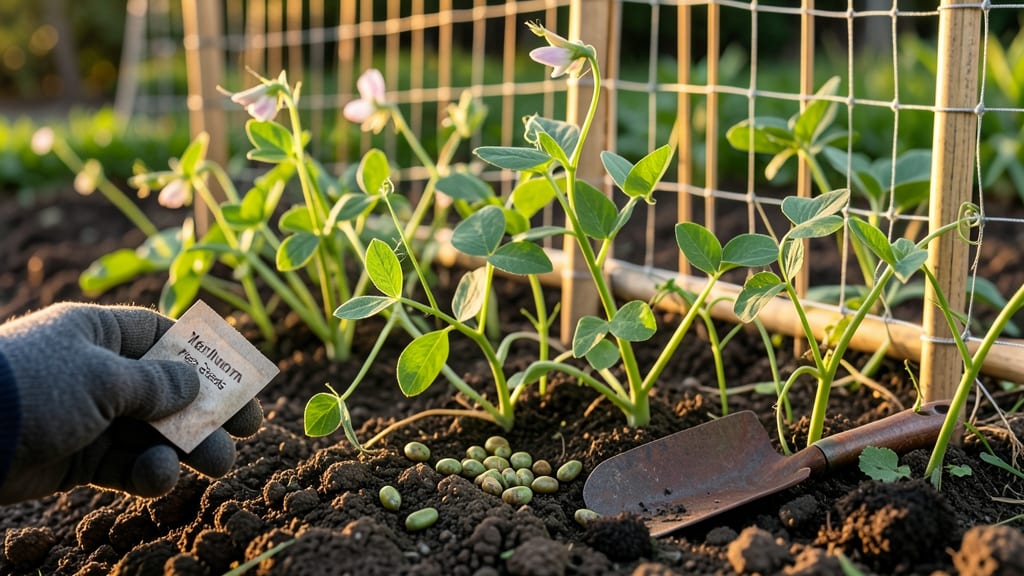
To plant peas in the UK at the perfect time means the difference between a thriving crop and a frost-killed disappointment. Whether you're in sunny Cornwall or chilly Scotland, getting the timing right ensures your 🌱 peas grow strong and sweet—without the heartache of late frosts or missed harvests.
Most UK gardeners swear by spring planting, but the exact window varies wildly across regions. In warmer southern areas, you can start as early as February, while northern growers often wait until April to avoid frost damage. The key? Soil temperature—not just calendar dates.
What if you miss the ideal window? Don’t panic. I’ll show you how to stretch your planting season with clever tricks like cold frames and succession sowing, so you can enjoy fresh peas from early summer right through to autumn.
Ready to master the art of pea planting? Let’s break down the exact months for your region—and how to protect your young plants from Britain’s famously unpredictable weather.
UK pea planting calendar by region: exact months for best growth
Peas thrive in cool spring temperatures but wilt under late frosts or summer heat. The UK’s varied climate means planting times differ dramatically from mild Cornwall to cold Highland regions.
Ideal soil temperatures for germination sit between 40-50°F (4-10°C), so timing your sowing to avoid frost damage is critical.
For most UK gardeners, March to May is the sweet spot, but northern regions often wait until April or May to avoid late spring frosts. Southern areas can even start sowing in February under cloches for early harvests.
Let’s break down the exact months for each region to maximize your pea yield.
🌱
In the South of England, you can push the envelope by sowing as early as late February under cloches or fleece to catch an early harvest. These regions benefit from warmer microclimates and shorter frost periods, allowing for three successive plantings by early May.
For Midlands gardeners, aim to sow your first batch in early March when soil temperatures consistently reach 40°F (4°C). Use row covers for extra protection if late frosts linger.
The second planting should go in by mid-April, with a final batch in early May for a staggered harvest.
Northern England and Scotland/Wales face higher frost risks, so patience pays off. Wait until mid-March for your first sowing, but have fleece or cloches ready to shield young plants.
In Scotland’s Highlands, delay until late March or even April to avoid frost damage entirely. A single late May planting is often sufficient for these cooler climates.
🌿
Protecting your peas from late spring frosts is non-negotiable. Use frost blankets or cold frames for early sowings, and always plant in well-drained, sunny spots. Peas need 6-8 hours of sunlight daily to thrive, so avoid shady corners.
For climbing varieties, install trellises at planting time to prevent root disturbance later.
Once your peas are established, maintain consistent moisture—especially during flowering and pod development. Water at the base of plants in the morning to reduce fungal risks. In dry spells, mulch with straw to retain soil moisture and regulate temperature.
With these regional adjustments, you’ll enjoy sweet, homegrown peas from May through September, depending on your location.
✂️
How to choose pea varieties for early, mid, and late UK planting seasons
Selecting the right pea varieties for your UK planting window can make the difference between a bountiful harvest and a disappointing one. Early varieties like ‘Meteor’ thrive in cool spring soil, while late-season types such as ‘Douce Provence’ shine when planted in warmer summer months.
Your choice depends on your local climate zone, desired harvest timing, and whether you prefer dwarf or climbing varieties.
For early planting (March-April), opt for frost-hardy varieties like ‘Sugar Snap’ or ‘Telephone’, which germinate quickly in 4-7°C soil. These are ideal for northern UK regions where late frosts are common.
In contrast, mid-season varieties such as ‘Feltham First’ (a classic shelling pea) perform best when sown in April-May, offering a longer harvest window and sweeter pods.
Late-season varieties like ‘Douce Provence’ (a climbing sugar pea) are perfect for June-July sowings, extending your harvest into autumn. These varieties tolerate warmer temperatures better and produce sweeter pods when grown in longer daylight hours. If you're short on space, dwarf varieties like ‘Little Marvel’ are excellent for container growing or small plots.
| Variety | Type | Best Planting Window | Harvest Time | Flavor/Yield |
|---|---|---|---|---|
| Meteor | Climbing | March-April | June-July | Sweet, high yield |
| Feltham First | Dwarf | April-May | July-August | Classic shelling |
| Douce Provence | Climbing | June-July | August-September | Sweetest late pods |
| Little Marvel | Dwarf | March-June | May-August | Compact, versatile |
When selecting varieties, consider your garden layout. Climbing peas need trellises or netting (6-8ft tall) and thrive in smaller spaces due to their vertical growth. Dwarf varieties, on the other hand, are perfect for ground cover and container growing, making them ideal for urban gardens or balconies.
For maximum flavor, harvest pods when they’re firm and young, typically 70-90 days after sowing.
In cooler UK regions like Scotland or Northern Ireland, prioritize early-maturing varieties to avoid autumn frosts. Meanwhile, in warmer southern areas, you can experiment with late-season varieties for a prolonged harvest.
Always check seed packets for days to maturity to align with your local frost dates. With the right variety, you’ll enjoy crisp, homegrown peas from spring to autumn.
Pro tip: Mix varieties in your garden for a continuous harvest. For example, plant ‘Meteor’ in March and ‘Douce Provence’ in June to enjoy peas for four months. This strategy also reduces pest pressure since different varieties mature at different times.