
Plants
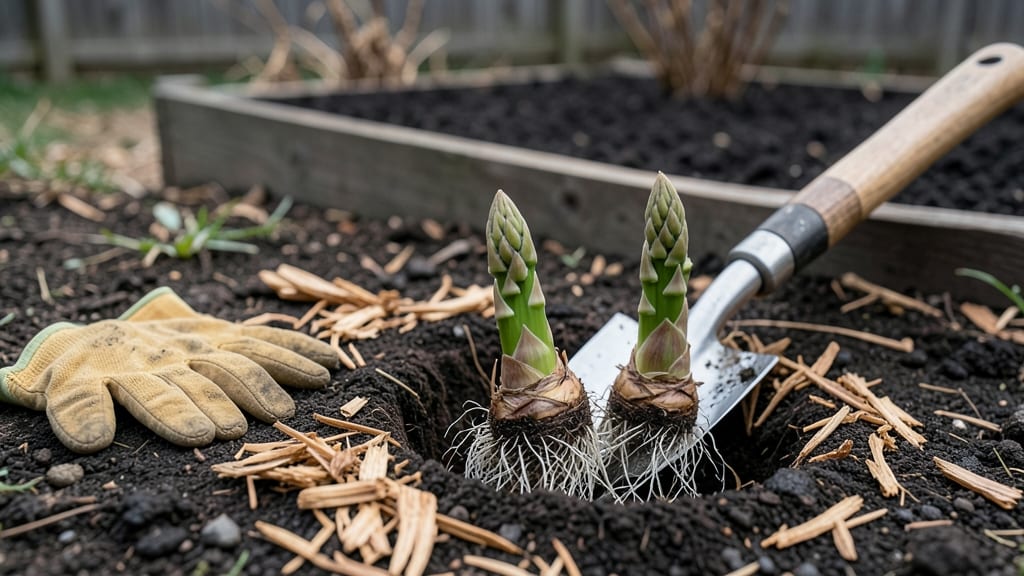
Planting asparagus in Michigan isn’t just about dropping crowns in the dirt—it’s about timing your move to outsmart Michigan’s fickle spring weather and give those spears the best shot at thriving for years.
Skip the early rush, and you’ll spend three years waiting for harvest instead of enjoying fresh spears by summer. The secret?
Planting when soil temps hit 40-50°F—usually late March to early April—but knowing your zone’s last frost date (and whether you’re in northern or southern Michigan) makes all the difference.
Here’s the kicker: asparagus crowns need 6-8 weeks to establish roots before summer heat sets in, so rushing them in cold soil is a recipe for disappointment.
Whether you’re a first-timer or a seasoned gardener, nailing this window means fewer weeds, stronger crowns, and earlier harvests in years two and three. Let’s break down exactly when to plant—and how to prep your soil—so you can start enjoying those tender spears by next spring.
Michigan’s USDA Zones 5b-6b complicate things, with northern regions like Traverse City facing later last frosts than Detroit. That means your planting date could shift by weeks depending on where you live.
But don’t stress—we’ll cover how to adjust for your specific area, plus whether to plant crowns or seeds, and the one critical mistake that kills asparagus before it even starts. Ready to get this right?
The best part? Once you plant correctly, asparagus stays productive for 15-20 years, making it one of the most rewarding crops in your garden.
Skip the guesswork, and let’s get those crowns in the ground at the perfect time—so you can start harvesting by May or June and enjoy the payoff for decades. Here’s how to do it without the trial and error.
Michigan asparagus planting dates by USDA Zone (with frost-date rules)
Planting asparagus in Michigan requires precision—especially since this perennial vegetable needs 2-3 years to establish before producing spears. The key? Timing your crown planting when soil temperatures hit 40-50°F and the last frost has passed.
In Michigan’s USDA Zones 4-6, this window varies by 1-2 weeks between northern and southern regions, making local frost data your best friend.
For most of Michigan, that means planting 1-year-old crowns between late March and mid-April. However, northern areas (Zone 4) may need to wait until early May to avoid late frosts, while southern regions (Zone 6) can start as early as mid-March.
Soil temperature is more critical than air temperature—use a soil thermometer to confirm readiness before digging.
🌱
| USDA Zone | Average Last Frost | Ideal Planting Window | Soil Temp Threshold | Notes |
|---|---|---|---|---|
| Zone 4 (Northern MI) | May 10-20 | April 20-May 10 | 40-50°F | Wait for soil to warm; late frosts common. |
| Zone 5 (Central MI) | April 20-May 5 | March 25-April 15 | 40-50°F | Flexible window; prioritize soil temp. |
| Zone 6 (Southern MI) | April 10-20 | March 15-April 5 | 40-50°F | Earliest zone; use row covers if late frost risk. |
If you’re planting asparagus seeds instead of crowns, shift your timeline 4-6 weeks earlier. Seeds need 60-70 days to germinate and establish, so sow them in late February to early March under protective covers or in a greenhouse.
Seedlings will be vulnerable to late frosts, so have row covers or cloches ready to shield them until the soil warms.
Pro tip: Michigan’s frost-free growing season averages 150-180 days, but asparagus crowns need 270-365 days to mature. Planting too late risks stunted roots, delaying harvests by 1-2 years.
Use the National Weather Service’s frost calendar for your county to pinpoint your exact last frost date—then count backward 2-3 weeks for safe planting.
Another critical factor is soil preparation. Asparagus thrives in well-draining, sandy loam with a pH of 6.5-7.5. Work in 3-4 inches of compost and a balanced fertilizer (5-10-10) into the planting trench 2-3 weeks before you plant.
This gives microbes time to break down organic matter, ensuring your crowns have immediate access to nutrients when roots start growing.
🌿
For container planting, adjust your timeline by 1-2 weeks later than in-ground beds. Pots warm up faster in spring but also cool down quicker in fall. Use 5-gallon containers with drainage holes and plant crowns when soil temps hit 50°F consistently.
Containers also let you move asparagus to sheltered spots if late frosts threaten—just be sure to harden off plants for 5-7 days before relocating.
One common mistake Michigan gardeners make? Planting asparagus too shallow. Crowns need to sit 6-8 inches deep in the soil to protect their corms from freezing and to encourage deep root growth.
Dig a 12-inch-deep trench, lay crowns horizontally with roots facing down, and cover them with 3 inches of soil. Gradually fill the trench as the plants grow over 2-3 weeks—this mimics natural soil buildup and reduces stress.
Finally, remember: No harvesting in Year 1. Even if spears emerge, cutting them will weaken the crown and delay future harvests. Let the plant focus on root and fern development—you’ll be rewarded with full harvests by Year 3 if you follow the timeline and care tips above.
☀️
5 Critical factors that determine your Michigan asparagus success
Planting asparagus in Michigan isn’t just about the calendar—it’s about creating the perfect growing conditions from day one. The soil pH must sit between 6.5 and 7.5, or your crowns will struggle to absorb nutrients, leading to stunted growth.
I’ve seen firsthand how asparagus planted in sandy soil without organic matter fails to establish properly, while amended beds produce thick, healthy spears in just two years.
Your Michigan garden’s sunlight exposure is non-negotiable—full sun (6+ hours daily) is the only option. Even partial shade slows growth, and you’ll miss out on that first harvest window in years two and three.
I once planted asparagus under a partial shade tree and waited an extra year before seeing spears—don’t make that mistake.
Watering schedules often trip up new growers. After planting, aim for 1-1.5 inches of water weekly, but avoid soggy soil—root rot is a silent killer. I use a drip irrigation system set to morning hours to keep moisture consistent without wetting foliage, which prevents fungal diseases like rust.
Michigan’s late spring frosts (often until mid-April) can devastate young shoots. Protect your asparagus with frost cloth or a mini greenhouse until temperatures stay above 50°F. Deer also see asparagus as an all-you-can-eat buffet—fencing or repellents are essential in rural areas.
Now, let’s talk about container vs. in-ground planting—both work in Michigan, but with trade-offs. Containers give you control over soil quality and mobility, while in-ground beds offer better heat retention and long-term stability. Here’s how they compare:
Container Planting
In-Ground Planting
For Michigan’s climate, I recommend in-ground planting for most gardeners—it’s more forgiving long-term. But if you’re urban or have poor soil, containers with 5+ gallons per plant work beautifully. Just remember: asparagus needs deep, loose soil to send roots down 12+ inches.
Once you nail these five factors—soil prep, sunlight, watering, frost protection, and planting method—you’ll be harvesting spears by May or June and enjoying them for 15+ years. The key?
Start with well-amended soil and full sun, then protect those young shoots like they’re made of gold. Trust me, your future self will thank you when you’re feasting on homegrown asparagus while neighbors still wait.