
Plants
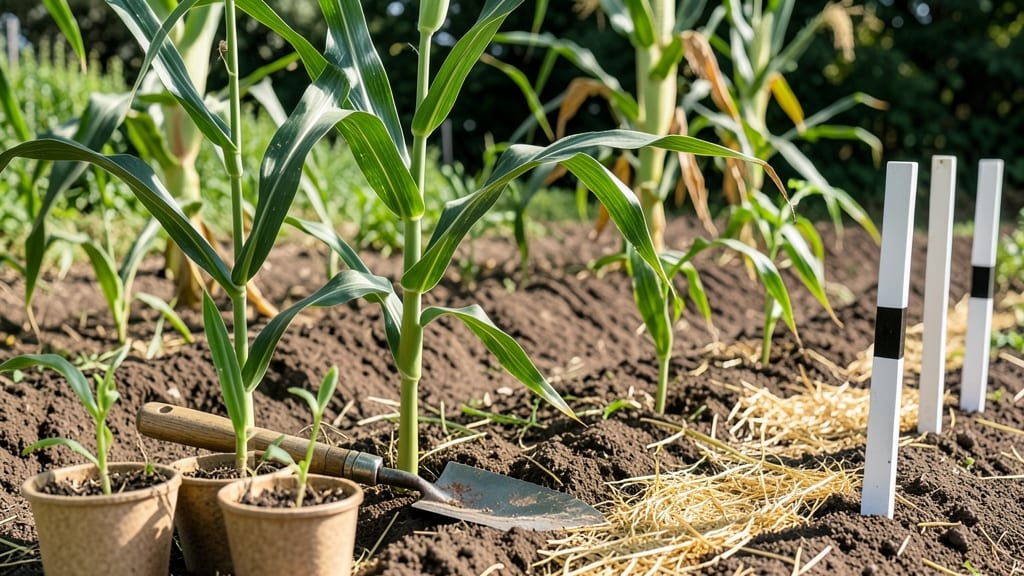
Planting corn in Washington State isn't a one-size-fits-all task—your success depends on knowing exactly when to drop those seeds in the ground, whether you're in the cooler Pacific Northwest or the warmer inland valleys.
With spring temperatures varying dramatically across the state, timing your corn planting can mean the difference between a bumper crop and a frost-killed disappointment. I've grown corn in multiple Washington regions, and what I'm about to share will help you avoid common mistakes that even experienced gardeners make.
We'll break down the ideal planting windows for both Western and Eastern Washington, including how to adjust for microclimates that can shift your planting date by weeks. You'll discover which corn varieties thrive best in your specific heat zone and how to protect young plants from late frosts.
Ready to grow corn that reaches for the sky like 10-foot stalks? Let's get started with the planting schedule that will set your harvest up for success this summer.
Washington State corn planting deadlines by heat zone map
Planting corn in Washington State requires precision—your last frost date, soil temperature, and heat zone all dictate when to drop those seeds. Western WA’s milder climate lets you start earlier, while Eastern WA’s colder springs demand patience.
I’ve broken down the optimal planting windows by region, so you can avoid frost damage and maximize your harvest.
Corn thrives when soil temperatures hit 50°F (10°C), but roots need 60°F (15.5°C) for germination. In Western WA, this often means planting by mid-April, while Eastern WA gardeners should wait until late May.
The key? Match your corn variety to your microclimate—sweet corn needs warmth, while popcorn can handle cooler soils.
Western Washington (Zones 7b-9a) includes the Puget Sound region, where last frost dates average between March 15 and April 15. Here, you can plant sweet corn as early as late March under row covers. For field corn and popcorn, wait until soil warms to 60°F (15.5°C), typically mid-April to early May.
Eastern Washington (Zones 4b-7a) has a shorter growing season, with last frost dates ranging from May 1 to June 1. This region’s cooler soils mean you should delay planting until late May for sweet corn and early June for field corn. Popcorn varieties like 'Country Gentleman' tolerate cooler temps better, making them ideal for high-elevation areas.
For sweet corn, prioritize early-maturing varieties like 'Ambrosia' (70 days) in Western WA, where you can squeeze in two plantings—one in April and another in early June for a fall harvest. In Eastern WA, stick to one planting in late May to avoid late-season frost risks.
Field corn and popcorn are hardier and can handle cooler soils, making them better choices for Eastern WA’s shorter season. Plant field corn like 'Mangels' in early June for a late-summer harvest, while popcorn varieties such as 'Golden Bantam' thrive when planted in late May.
Pro tip: Use a soil thermometer to confirm readiness—corn seeds won’t germinate below 50°F (10°C), and waiting for 60°F (15.5°C) ensures strong root development. In cooler areas, try black plastic mulch to warm the soil
How to adjust corn planting dates for Washington’s microclimates
Washington State’s diverse geography means your corn planting dates can vary by hundreds of miles—even within the same county. Coastal areas like Whatcom County have cooler, wetter springs, while inland spots like Yakima Valley can hit 80°F soil temps weeks earlier. Without adjustments, you risk late frosts or stunted growth.
Elevation plays a huge role too. Every 1,000 feet gain pushes back your planting window by about 1-2 weeks. For example, Mount Rainier’s foothills (4,000 ft+) may need to wait until late May, while Puget Sound gardens can start in early April.
Urban heat islands also create microclimates—Seattle’s downtown might be 5°F warmer than nearby suburbs, accelerating growth.
Urban gardeners often face another challenge: concrete and pavement absorb heat, creating pockets where corn can germinate 2-3 weeks earlier than rural areas. Meanwhile, coastal gardens near Olympia or Bellingham may need to use row covers until mid-May to protect tender seedlings from lingering 32°F frosts.
🚨 callout-warning 🚨
Just because your neighbor in Spokane plants corn in April doesn’t mean you should in Bellingham. The Western Cascades create a "frost shadow" where eastern WA enjoys 30-45 extra frost-free days compared to the coast. Never plant based on general state averages—check your local USDA zone and last-frost dates from the last 10 years, not just the previous year.
Pro Tip: Use the National Oceanic and Atmospheric Administration (NOAA) frost maps for your exact zip code. For example, Pullman (Zone 6b) can plant 2 weeks earlier than Port Townsend (Zone 8a).
To extend your growing season in cooler microclimates, black plastic mulch is a game-changer. It warms soil by 10-15°F and suppresses weeds, letting you plant sweet corn varieties like ‘Ambrosia’ or ‘Peaches and Cream’ as early as late March in protected beds.
Pair this with floating row covers for an extra 2-3 weeks of frost protection—critical for short-season varieties that need 75-90 days to mature.
For high-elevation gardens above 3,000 feet, consider fast-maturing hybrids like ‘Early Sunglow’ (65 days) or ‘Golden Bantam’ (75 days). These tolerate cooler soils and shorter seasons.
In urban heat islands, you might even squeeze in a second planting of succession varieties like ‘Silver Queen’ in late June for a fall harvest.
Always monitor soil temperatures—corn needs 50°F+ to germinate and 60°F+ for consistent growth. Use a soil thermometer to avoid planting too early. In Western WA, aim for May 15 as your cutoff; in Eastern WA, you can push to June 1 for late-season varieties.
Adjust based on your microclimate, and your corn will thrive—no matter where you garden in the Evergreen State. 🌽