
Plants
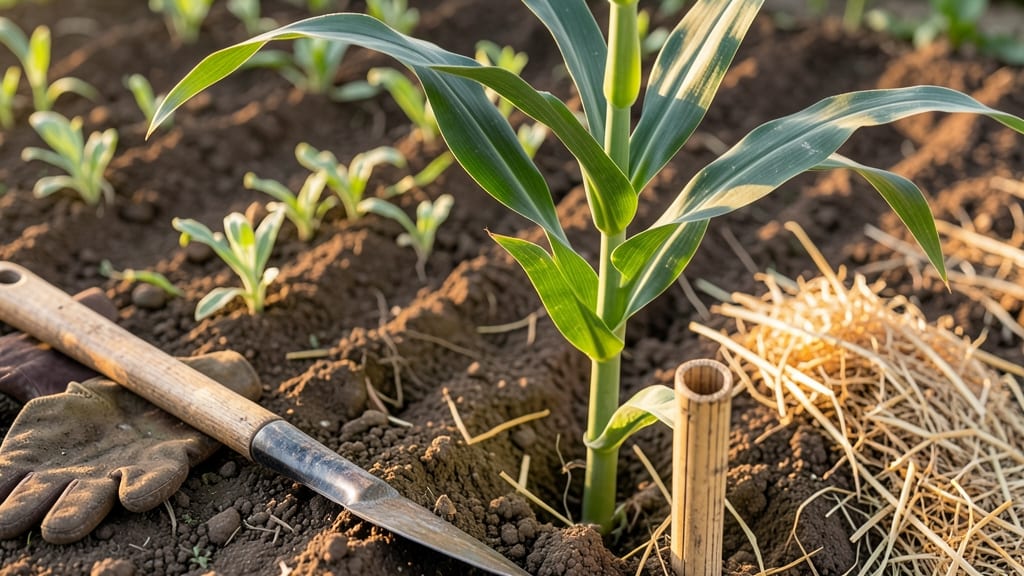
Planting corn in East Texas at the wrong time can turn your 🌽 dreams into a soggy mess—too early and frost zaps your tender seedlings, while waiting too long risks stunted growth from summer heat.
The key to a thriving crop lies in those critical 30 days between last frost (usually mid-March) and soil warming to 60°F.
Here’s the secret: timing isn’t one-size-fits-all. Whether you’re growing sweet corn for summer grilling or field corn for livestock, your East Texas county’s microclimate (like Houston’s humidity vs. Tyler’s drier air) shifts the ideal window.
Get it right, and you’ll harvest plump ears from late July through October—get it wrong, and you’re left with sad, underdeveloped stalks.
I’ve dug into Texas A&M’s data to break down the exact frost-free windows by zone, plus how to adjust for early vs. late varieties. You’ll learn when to plant for maximum yield, how to spot timing mistakes early, and even tricks to stretch your harvest season.
Let’s turn your corn patch from guesswork to gold.
Ready to ditch the trial-and-error? The next 30 days will make or break your crop—so let’s get you planting with confidence. Your future dinner table (and livestock feed) will thank you.
East Texas corn planting dates by county heat zones: USDA Zone 7b-9a guide
Planting corn in East Texas requires precision timing to avoid frost damage and maximize yields. The region spans USDA zones 7b through 9a, meaning last frost dates vary by county.
For example, Beaumont (Zone 9a) typically sees its last frost in February, while Tyler (Zone 8a) waits until mid-March. These differences impact when to plant for optimal germination.
Corn thrives when soil temperatures reach 60°F or higher, which usually occurs in April for most East Texas counties. Waiting too long risks heat stress before harvest, while planting too early exposes tender seedlings to late frosts.
Let’s break down the best planting windows by county to help you plan your garden.
| County | USDA Zone | Last Frost Date | Ideal Planting Window | Soil Temp for Planting |
|---|---|---|---|---|
| Harris (Houston) | 8b | Mid-February | Late March–Early April | 60°F+ |
| Jefferson (Beaumont) | 9a | Early February | Mid-March–Late March | 60°F+ |
| Smith (Tyler) | 8a | Mid-March | Early April–Mid-April | 60°F+ |
| Rains (Emory) | 7b | Late March | Mid-April–Early May | 60°F+ |
| Hardin (Lumberton) | 8a | Early March | Late March–Early April | 60°F+ |
For sweet corn varieties like 'Silver Queen' or 'Peaches and Cream', aim to plant 60–75 days before your first expected frost. In Houston (Zone 8b), this means starting seeds indoors in late February or direct-sowing in mid-April.
In cooler zones like Smith County (Zone 8a), delay until early May to avoid late-spring frosts.
Field corn and popcorn varieties have longer maturity times—90–120 days—so plant them 2–3 weeks earlier than sweet corn. For example, in Beaumont (Zone 9a), field corn can be sown as early as late February, while in Tyler (Zone 8a), wait until mid-April.
Always check seed packets for specific days-to-maturity guidelines.
Soil temperature is critical for germination. Use a soil thermometer to confirm readings of 60°F or warmer before planting. In East Texas, this typically aligns with April, but microclimates near water bodies (like Beaumont) may warm earlier.
Amend heavy clay soils with compost to improve drainage and warmth retention.
Extend your harvest season by planting succession crops every 2 weeks after your initial planting. For instance, if you plant your first batch in April, follow with May and June plantings to enjoy fresh ears through October.
Just ensure each batch has enough time to mature before the first frost.
Watch for unpredictable late frosts, especially in Zone 7b areas like Rains County. Use row covers or plant near heat-retaining structures like black plastic mulch to protect seedlings. If frost threatens, cover plants with lightweight blankets until temperatures rise.
For heirloom varieties, like 'Country Gentleman' or 'Golden Bantam', follow the same planting windows but expect slightly longer maturity times. These varieties often require 100+ days, so plant them 3–4 weeks earlier** than sweet corn. Always monitor weather forecasts and adjust planting dates accordingly.
Local resources like
How to adjust corn planting time for early vs. late varieties in East Texas
East Texas gardeners know that corn thrives in warm soil, but choosing the right planting window depends on whether you're growing early-maturing sweet corn or long-season field corn.
The key is aligning your variety's days to maturity with your county's last frost date—typically between March 15 and April 15 for most of East Texas.
For early varieties (60-75 days), like 'Silver Queen' or 'Peaches and Cream', you can start sowing as early as mid-March in southern counties (e.g., Beaumont, Orange) where soil warms faster. In cooler northern areas (e.g., Tyler, Longview), wait until early April to avoid chilling injury to young seedlings.
🌽 East Texas Corn Planting Timeline by Maturity
- 📅 Early Varieties (60-75 days): Plant March 15-April 1 (south) to April 1-15 (north). Ideal for 'Golden Bantam' or 'Ambrosia'.
- 🌱 Mid-Season (75-90 days): Plant April 1-15 for varieties like 'Country Gentleman' or 'Bodacious'.
- 🌾 Late Varieties (90+ days): Plant April 15-May 1 for field corn or heirloom popcorn. Use black plastic mulch to warm soil faster.
- 🔄 Successive Plantings: Stagger sowings every 2 weeks for a continuous harvest through October.
- ⚠️ Heat Stress Warning: Avoid planting after May 15—temperatures above 90°F stunt pollen production.
To extend your harvest season, try succession planting—sow a new batch every 2 weeks until early May. This works especially well for sweet corn, which loses quality faster than field corn.
For example, plant 'Peaches and Cream' on March 20, April 5, and April 20 to enjoy fresh ears through July and August.
Field corn and popcorn varieties need more time, so focus on late April to early May plantings. These types thrive in East Texas's long, hot summers and can handle the humidity better than sweet corn. Use drought-tolerant varieties like 'Country Gentleman' if your area experiences summer dry spells.
Watch for soil temperature cues: Corn won’t germinate well below 60°F. Use a soil thermometer to confirm readiness—plant only when temps stay above 65°F for 5+ days. In cooler microclimates, black plastic mulch can raise soil temps by 5-10°F, giving you a 2-week earlier planting window.
Pro tip: Pair your corn with companion plants like beans or squash to improve soil fertility and deter pests. And if you're growing heirloom varieties, check their maturity dates—some take 120+ days, so plant them in early April to avoid first frost risks in November.