
Plants
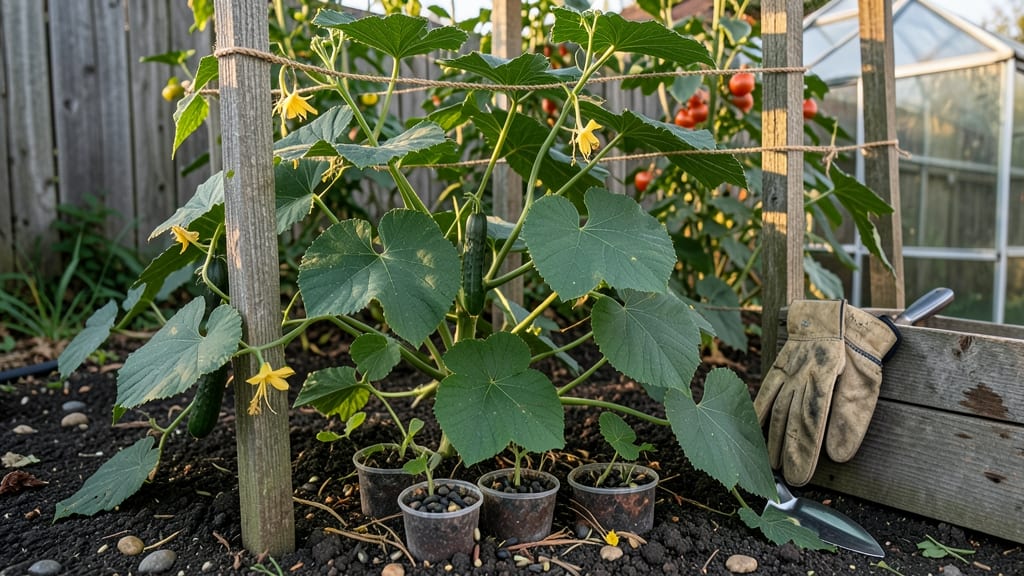
Timing your cucumber 🥒 planting in Michigan isn’t just about avoiding frost—it’s about unlocking peak harvests when your neighbors are still waiting. Plant too early, and chilly nights will stall growth; too late, and you’ll miss the sweet spot for crisp, homegrown cucumbers by late summer.
Most Michigan gardeners swear by the April 15–May 31 window, but the real secret lies in your specific zone—whether you’re in 5b’s cooler north or 6b’s warmer south**. Soil temperatures below 60°F can leave seeds struggling, while waiting until after the last frost (typically late April) ensures strong starts.
Should you start seeds indoors or dive straight into the garden? I’ll break down the best approach for your region, plus how to stretch your growing season with simple tricks that work even in Michigan’s shorter summers. Ready to turn your backyard into a cucumber powerhouse?
Let’s cut to the chase: the 3-step planting schedule that’ll have you harvesting by July. No guesswork—just proven results for Michigan’s climate.
Michigan’s last frost dates by Zone: when to plant cucumbers for maximum growth
Michigan’s last frost dates vary dramatically across its USDA hardiness zones, from Zone 5b in the Upper Peninsula to Zone 7a in southern regions. For cucumber success, timing is critical—plant too early, and frost will devastate tender seedlings; too late, and you’ll miss peak harvest season.
The 2-4 week window before last frost is your sweet spot for transplanting seedlings or direct sowing.
Cucumbers thrive when soil temperatures hit 60°F or higher. In Michigan, this typically aligns with late April to early May, but exact dates depend on your zone.
Northern Michigan gardeners in Zone 5b should wait until mid-May, while southern gardeners in Zone 7a can start as early as mid-April. This variance ensures your cucumber plants have enough time to mature before Michigan’s first frost, usually arriving in mid-October.
📋 Key Takeaway: Use Michigan’s last frost dates as your guide, but always confirm with local weather reports. A late frost can delay planting by 1-2 weeks, so flexibility is key.
| USDA Zone | Avg. Last Frost Date | Planting Window | Soil Temp. Requirement | Notes |
|---|---|---|---|---|
| 5b (Upper Peninsula) | May 15 | May 1-15 (after last frost) | 60°F+ | Shorter season; use bush varieties for faster harvests. |
| 6a (Northern Lower) | May 1 | April 15-May 1 | 60°F+ | Start transplants indoors in March for earlier planting. |
| 6b (Central) | April 25 | April 10-25 | 60°F+ | Ideal for vining varieties like Marketmore. |
| 7a (Southern) | April 15 | April 1-15 | 60°F+ | Longest season; can plant two batches with succession planting. |
In Zone 5b, where winters are longest, focus on fast-maturing varieties like ‘Straight Eight’ or ‘Bush Champion’. These bush cucumbers reach harvest in 50-55 days, giving you a better chance to beat the first frost. Use row covers to extend the season by 2-3 weeks if needed.
For Zone 6a and 6b, where the growing season is 15-20 days longer, you can experiment with vining varieties like ‘Lemon Cucumber’ or ‘Armenian Cucumber’. These thrive with trellises and produce higher yields if given plenty of space.
Plant seeds ½ inch deep and space them 12-24 inches apart, depending on the variety.
Southern Michigan’s Zone 7a offers the most flexibility. Here, you can plant two batches of cucumbers: one in early April and another in late June for a fall harvest. Use black plastic mulch to warm the soil faster and drip irrigation to maintain consistent moisture.
This zone also allows for container growing, making cucumbers accessible for balconies or small patios.
Always monitor soil temperature with a soil thermometer. Cucumbers won’t germinate below 60°F, and even if they do, growth will be stunted. If your soil is too cold, opt for transplants instead of direct sowing. Harden off seedlings for 7-10 days before planting to reduce transplant shock.
Pro tip: Use a frost watch or local agricultural extension service for real-time updates. In 2023, a late frost in mid-May
Direct sowing vs. transplanting cucumbers: Michigan-specific pros and cons
Deciding whether to direct sow or transplant cucumbers in Michigan depends on your local climate zone and growing goals. In USDA zones 5b-6b, both methods work—but each has distinct advantages tailored to Michigan’s unpredictable spring weather.
I’ve grown cucumbers both ways, and here’s what I’ve learned about timing, soil prep, and avoiding common pitfalls.
Michigan’s short growing season (about 165 frost-free days) means cucumbers need a head start. Direct sowing lets you wait for warmer soil (60°F+), while transplanting gives you an earlier harvest but requires careful hardening-off.
For northern Michigan, transplanting often wins, while southern regions can direct sow successfully with proper mulching.
Direct Sowing Cucumbers in Michigan
Pros
- ✅ Faster germination in warm soil (60°F+)
- ✅ No transplant shock for delicate roots
- ✅ Cheaper (no need to buy seedlings)
- ✅ Better for bush varieties (less root disturbance)
Cons
- ❌ Slower start if soil stays cool
- ❌ Pests (cucumber beetles) may find seeds first
- ❌ Limited to post-frost dates (late May in northern MI)
Transplanting Cucumbers in Michigan
Pros
- ✅ Earlier harvest (2-3 weeks sooner)
- ✅ Longer season (better for short MI summers)
- ✅ Fewer pests (seedlings less visible to beetles)
- ✅ Controlled growing conditions (indoor starts)
Cons
- ❌ Transplant shock risk if not hardened off
- ❌ More expensive (seedlings cost $2-$4 each)
- ❌ Limited variety selection at local nurseries
For direct sowing, plant seeds 1 inch deep and 2-3 feet apart in rows spaced 4-6 feet apart (for vining types). Use black plastic mulch to warm soil faster—this is a game-changer in Michigan’s cool springs. I’ve seen germination improve by 50% with mulch in northern zones.
If transplanting, start seeds indoors 3-4 weeks before your last frost date (early April for southern MI, late April for northern). Harden off seedlings for 7-10 days before moving them outside. Space transplants 18-24 inches apart in hills, and always bury the stem halfway up to encourage root growth.
Both methods require consistent moisture—Michigan’s dry spells can stress cucumbers. Use drip irrigation or soaker hoses to keep soil evenly moist without wetting leaves (which invites powdery mildew). I’ve lost entire plants to fungal issues when overhead watering was used during humid Michigan summers.
Pro tip: In USDA zone 5b, I recommend transplanting for a longer harvest window, while zone 6b gardeners can direct sow with success if they use row covers early in the season.
Always monitor your local soil temperature—a soil thermometer is worth its weight in gold for Michigan growers.