
Plants
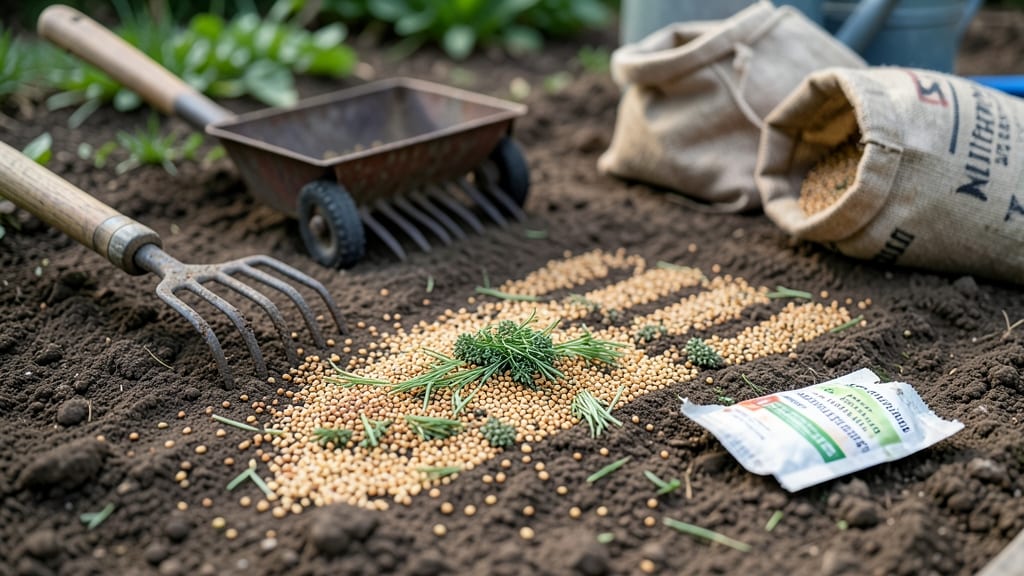
Planting grass seed in the fall is your best shot at a thick, green lawn—but timing is everything. Too early, and you’ll battle summer heat; too late, and winter will halt growth before roots take hold.
For USDA Zone 6 (like most of the Midwest), the perfect window is 4-6 weeks before your first frost, typically mid-August to early October.
Why does this matter? Fall planting gives grass seed a head start: cooler air, fewer weeds, and plenty of time to establish roots before winter dormancy. Skip this window, and you risk slow germination or weak seedlings that won’t survive the cold.
I’ll show you exactly how to nail the timing, plus pro tips to prep your soil and care for your new lawn.
Let’s start with the basics: the ideal planting window for your region, how to tell if you’re too early or late, and the 5 critical steps to ensure your grass seed thrives.
Whether you’re a beginner or a seasoned gardener, these strategies will help you avoid common mistakes and set your lawn up for success.
Ready to transform a patchy yard into a lush carpet of green? The key is acting now—before the weather shifts. Here’s your step-by-step guide to planting 🌱 Grass Seed (Turfgrass) at the perfect moment for strong roots and a resilient lawn.
Best fall planting windows by region: northern vs southern climates
Timing your grass seed planting in fall is everything—plant too early, and you’ll battle summer heat stress; too late, and roots won’t establish before frost. The key is 4-6 weeks before your first frost, but this varies wildly between northern and southern climates.
In cooler regions (USDA Zones 3-6), aim for mid-August to early October, while warmer zones (Zones 7-10) can extend seeding until November. The magic happens when daytime temps hover between 50-65°F—perfect for root growth without stress.
Northern gardeners (think Minnesota, New York, or the Midwest) should start seeding by late August to avoid early frosts. Southerners (like those in Texas, Florida, or Georgia) have more flexibility, often planting until late October or November.
The goal is the same: give grass 6-8 weeks of warm soil before winter dormancy. Cooler soil speeds up germination, while warm air prevents fungal issues. Pro tip: Check your USDA zone—it’s your planting GPS.
Soil temperature matters more than air temperature. Use a soil thermometer to confirm 55-65°F at 4 inches deep—this ensures roots establish before winter. In Zone 5, that might mean seeding by September 15, while Zone 8 gardeners can wait until October 30. Miss this window, and you risk weak seedlings or winter kill. Think of it like a countdown: 6 weeks to frost = go time.
If you’re in a transition zone (like Virginia or North Carolina), aim for late August to mid-October. These areas can swing wildly—one week might feel like summer, the next like winter. Use a weather app with frost alerts to stay ahead.
For example, Zone 7 might see a 50°F night in early October, signaling it’s time to plant. Southern zones (like Zone 9-10) can push seeding to November, but choose cool-season grasses like ryegrass or fescue to handle mild winters.
Don’t ignore microclimates—your backyard might be warmer than the official zone. South-facing slopes or paved areas stay warmer longer, while shady spots cool faster. Test your soil’s temperature for 3 days to confirm it’s ready.
If temps dip below 50°F at night, germination slows dramatically. Pro move: Use a black plastic mulch to warm soil in cooler zones or a shade cloth to protect seedlings in hot southern falls.
Late fall plantings (after October 15 in most zones) risk weak root systems before winter. Seedlings need 4-6 weeks of growth to survive dormancy. If you miss the window, wait until early spring—but expect slower establishment.
Think of fall seeding as a race against frost: the earlier you plant in cooler zones, the better. In Zone 5, that means no later than September 1 for most varieties.
Regional grass types also play a role. Cool-season grasses (like Kentucky bluegrass or tall fescue) thrive in fall plantings across most zones, while w
How to prepare your lawn for fall grass seeding in 5 critical steps
Preparing your lawn for fall grass seeding isn’t just about scattering seed—it’s about creating the perfect conditions for deep root growth before winter. Skipping these steps can lead to patchy germination or weak grass that struggles to survive cold weather.
I’ve learned the hard way that proper prep makes all the difference, especially in USDA Zone 6 where temperatures fluctuate quickly.
Your goal is to mimic nature’s ideal conditions: cool air, moist soil, and minimal competition from weeds. This means adjusting your mowing height, testing soil pH, and even aerating compacted areas. Let’s break down the 5 critical steps to ensure your grass seed gets the best possible start.
- 1 Test and amend your soil: Use a soil test kit to check pH (ideal: 6.0-7.0). If too acidic, add lime; if alkaline, use sulfur. Grass seed needs loose, nutrient-rich soil to sprout quickly.
- 2 Mow your lawn short: Set your mower to 1.5-2 inches (the shortest setting) 1-2 weeks before seeding. This removes dead grass and allows seed to make direct contact with soil.
- 3 Eliminate weeds and debris: Apply a pre-emergent herbicide (like corn gluten meal) if weeds are present, or hand-pull them. Rake the area to remove thatch and create a smooth seedbed.
- 4 Aerate compacted soil: Rent a core aerator to pull 3-4 inch plugs from the ground. This relieves compaction and helps seed reach deeper soil layers where roots can establish.
- 5 Topdress with compost: Spread a ¼-inch layer of compost or starter fertilizer over the aerated area. Lightly rake it in to cover seeds and lock in moisture.
After completing these steps, you’ll have a lawn that’s ready to accept grass seed like a sponge soaks up water. The key is consistency—don’t rush the process. For example, if you aerate too deeply, you risk damaging roots, while shallow aeration won’t improve soil structure enough.
Pro tip: Water lightly before seeding to help soil stick to seed, but avoid oversaturating. Once seeded, keep the top inch of soil moist (not soggy) for the first 2-3 weeks. A sprinkler with a fine mist setting works best to avoid washing away seed.
Common mistakes to avoid include overseeding too thickly (which can smother new growth) or ignoring soil pH (which slows germination). Always follow the seed bag’s recommended spread rate, and double-check your soil’s pH—most grass varieties struggle in extreme conditions.
With these steps, your lawn will be ready for 🌱 Grass Seed (Turfgrass) planting by mid-September, giving roots time to establish before winter dormancy. The result? A thicker, greener lawn next spring that outcompetes weeds naturally.