
Plants
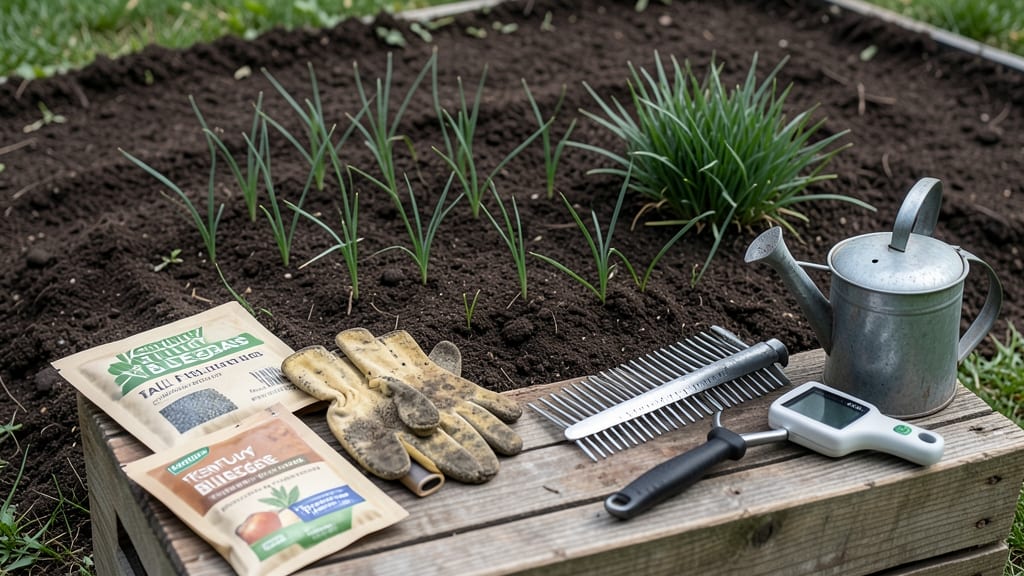
Planting grass seed in the spring at the wrong time can leave you staring at bare soil for months—even after dropping serious cash on seed.
The key isn't just waiting for warm weather; it's understanding when your region's soil is finally ready to support those tiny sprouts before summer heat zaps their energy.
In USDA Zone 6, where frost lingers until mid-April, most gardeners wait until early to late spring—but timing varies wildly across the country. Plant too early, and frost will kill your efforts; too late, and your lawn will struggle under summer's intensity.
I'll break down the exact weeks by region so you can align your planting with nature's calendar.
You're not just sowing seeds—you're building a foundation. Proper prep (soil temp checks, weed removal) and post-planting care (watering schedules, fertilization) can turn 50% germination rates into lush, uniform coverage. Let's cut through the guesswork and get your lawn off to the strongest possible start.
Whether you're patching a small area or reseeding your entire yard, these science-backed tips will help you avoid the most common mistakes. By the end, you'll know exactly when to plant, how to prep your soil, and what to watch for in those critical first weeks.
Your future lawn will thank you.
Best spring weeks to plant grass seed by u.s. region (with exact dates)
Planting grass seed at the right time in spring ensures strong germination before summer heat arrives. The ideal window varies by region—too early and frost kills seedlings, too late and drought stress takes over.
I’ll break down the exact weeks for the North, South, and Midwest based on soil temperature, frost risk, and rainfall patterns.
For all regions, aim for soil temperatures between 55°F and 65°F—this is the sweet spot for seed activation. Use a soil thermometer to check 2-3 inches deep. If temperatures drop below 50°F at night, delay planting until conditions stabilize.
🌱
| Region | Best Planting Weeks | Soil Temp (°F) | Key Trigger | Avoid Planting If... |
|---|---|---|---|---|
| Northern U.S. (Zones 3-5) | Week of May 1-7 | 55-65°F | Last frost date + 2 weeks | Night temps <50°F |
| Midwest (Zones 6-7) | Week of April 15-21 | 55-65°F | Soil reaches 55°F consistently | Heavy rain forecast |
| Southern U.S. (Zones 8-10) | Week of March 1-15 | 65-75°F | After last frost (if applicable) | Extreme heat (>90°F) |
| Pacific Northwest (Zones 7-8) | Week of April 1-7 | 50-60°F | Soil dries after winter rains | Foggy, damp conditions |
In the Northern U.S., wait until late spring—typically the first week of May—when soil warms to 55°F. Cool-season grasses like Kentucky bluegrass and fescue thrive in these conditions. I’ve seen patches planted in April fail when a late frost hits, so patience pays off.
For the Midwest, the third week of April is your target. This aligns with when soil temperatures stabilize after winter’s chill. Use a weather app to track 5-day forecasts—avoid planting if rain is predicted for 3+ days.
Southern gardeners have the earliest window: early March. Warm-season grasses like Bermuda and Zoysia need heat to germinate, so don’t wait until April. I recommend testing soil moisture—dry conditions can delay sprouting.
💧
Regardless of region, water deeply for the first 2 weeks—about 1 inch per week. Use a rain gauge to track rainfall and supplement with irrigation if needed. Morning watering prevents fungal diseases that thrive in damp evening air.
Pro tip: If your region has unpredictable spring weather, opt for slow-release fertilizer at planting. This gives seedlings a nutrient boost without burning tender roots. I’ve used 10-10-10 with great success in my Zone 6 garden.
🌿
Finally, monitor your lawn for uniform germination—sprouts should appear in 7-14 days. If growth is patchy, it may signal uneven soil moisture or seed depth issues (plant no deeper than ¼ inch). Adjust care based on what you see!
How to prepare your soil and lawn for spring grass seed planting
Preparing your soil for spring grass seed planting isn't just about tossing seeds on bare ground—it's about creating the perfect conditions for 90%+ germination success. Start by testing your soil pH, which should ideally be between 6.0 and 7.5 for most grass types.
If your soil is too acidic or alkaline, you'll need to amend it with lime (to raise pH) or sulfur (to lower pH) at least 4-6 weeks before planting. Cool-season grasses like fescue and rye thrive in slightly acidic soil, while warm-season grasses like Bermuda and Zoysia prefer neutral to slightly alkaline conditions.
Next, remove all existing weeds, grass, and debris from your lawn area. Use a broadfork or till to loosen compacted soil to a depth of 4-6 inches. This helps roots penetrate easily and improves water absorption.
For small patches, a simple hand rake will work, but larger areas benefit from mechanical tilling. Don't skip this step—compacted soil can strangle new grass seedlings before they even sprout.
Test Soil pH
Use a soil test kit to check pH. Aim for 6.0-7.5. Adjust with lime or sulfur if needed, waiting 4-6 weeks before planting.
Remove Weeds & Debris
Pull weeds by hand or use a broadfork to eliminate competition. Rake away rocks, roots, and old grass clippings for a clean seedbed.
Loosen Compacted Soil
Use a tiller or broadfork to break up compacted layers to 4-6 inches deep. This improves root penetration and water drainage.
Apply Starter Fertilizer
Spread a high-phosphorus starter fertilizer (like 10-20-10) at half the recommended rate to encourage root growth without burning seedlings.
Level the Surface
Rake the soil to create a smooth, even surface. Fill low spots with topsoil and level high spots to prevent water pooling.
Choose the Right Seed
Select cool-season seeds (like Kentucky bluegrass) for northern climates or warm-season seeds (like centipede) for southern regions.
After loosening the soil, spread a light layer of compost (about ¼ inch) to add organic matter and nutrients. This improves soil structure and helps retain moisture, which is critical during the germination phase.
For sandy soils, mix in a bit of peat moss or coconut coir to boost water retention, while clay-heavy soils benefit from perlite or vermiculite to improve drainage. Never skip compost—it’s the foundation for healthy grass growth.
Once your soil is prepped, apply a starter fertilizer with a high phosphorus content (look for a middle number like 20 in a 10-20-10 blend).
This promotes strong root development, which is essential for seedlings to establish before summer heat sets in. Over-fertilizing at this stage can burn tender new roots, so always follow package instructions for rates. Lightly rake the fertilizer into the top ¼ inch of soil to ensure even distribution.
Finally, choose the right grass seed type for your climate. Cool-season grasses (like tall fescue, perennial ryegrass, and Kentucky bluegrass) thrive in northern regions and handle frost well, making them ideal for spring planting. Warm-season grasses (like Bermuda, Zoysia, and St. Augustine) prefer southern climates and should be planted in late spring or early summer. Mixed seed blends often work best for transitional zones, offering a balance of early and late-season performance.
With your soil prepped and seeds selected, you’re ready to plant. Just remember: consistent moisture is key in the first 2-3 weeks. Water lightly twice daily to keep the soil surface moist but