
Plants
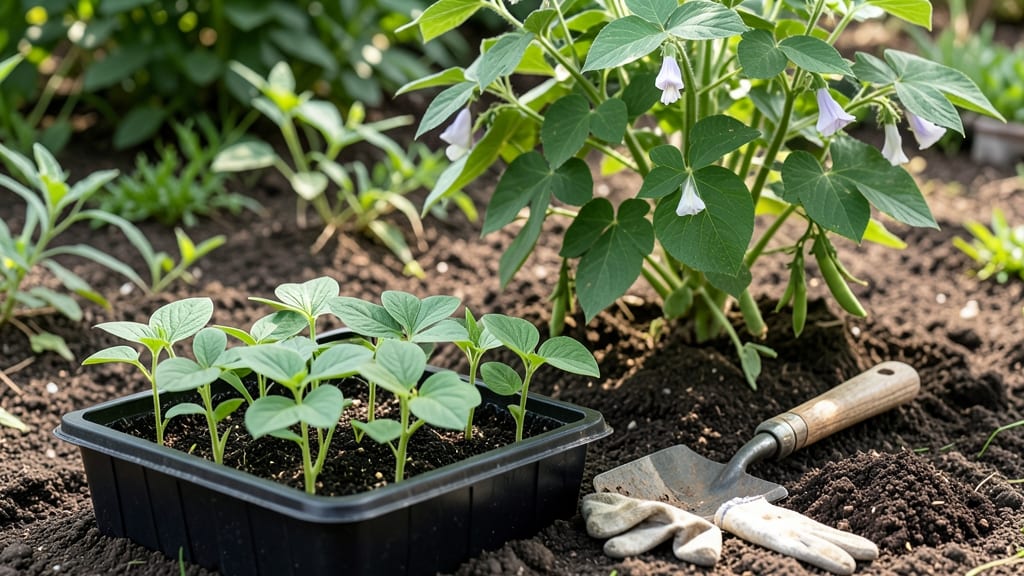
Planting green beans in Oklahoma at the wrong time can mean the difference between a bountiful harvest and bitter, stringy pods—or worse, no harvest at all.
Since Oklahoma’s 6b-7a climate swings from chilly springs to scorching summers, timing your 🌱 green bean planting just right is the key to avoiding bolting and maximizing yields.
Most gardeners in Oklahoma know the basics: green beans thrive in warm soil but hate frost.
What they don’t always realize is that planting too early (before 55°F soil temps) or too late (after July’s heat peaks) can trigger premature flowering, leaving you with tough, seedy beans instead of tender, crisp harvests.
Here’s the game-changer: Oklahoma’s two ideal planting windows—spring (April 15–May 15) and fall (July 15–August 15)—align perfectly with the state’s frost-free days and heat tolerance. Whether you’re growing bush beans or pole varieties, these dates ensure your plants mature before summer’s intensity or autumn’s first frost.
I’ll walk you through the exact steps to time your planting, choose the best varieties for Oklahoma’s heat, and even how to succession-plant for a nonstop harvest. Let’s get those green beans growing the right way!
Best planting months for green beans in Oklahoma by region
Oklahoma’s diverse climate zones mean your green bean planting schedule should vary by region. Whether you're in Oklahoma City’s Zone 7a or Lawton’s Zone 7b, timing is critical to avoid frost damage or heat-induced bolting.
Green beans thrive in soil temperatures above 55°F, so wait until after your last frost date—typically mid-April to early May for most areas.
For pole beans, which need trellises, plant 2-3 weeks earlier than bush varieties. This gives them time to establish vines before summer heat peaks. In western Oklahoma, where springs are cooler, start seeds indoors in late March for a head start.
Southern regions like Tulsa and the Arkansas border can plant as early as mid-March if soil warms quickly.
Fall planting is just as important—aim for mid-July to early August to harvest before first frost (typically mid-November).
In southern Oklahoma, you can extend this to late August for a second fall crop. Pole beans often perform better in fall because they mature faster in cooler temps, reducing bolting risks.
For bush beans, which mature quicker, focus on early spring and late summer plantings. Varieties like Blue Lake or Kentucky Wonder are heat-tolerant and perfect for Oklahoma’s summers. Soil prep is key—amend with compost to retain moisture during dry spells, which are common in western Oklahoma.
In cooler microclimates, like the Arbuckle Mountains, wait until after May 1 to plant. These areas experience late frosts, and green beans won’t tolerate temperatures below 45°F. Use black plastic mulch to warm soil faster and extend your planting window by 1-2 weeks.
Pro tip: Monitor soil temps with a thermometer—green beans won’t germinate well below 55°F. If your soil is too cold, start seeds indoors under grow lights and transplant after two true leaves appear. This works especially well for pole varieties, which need extra time to establish vines.
Don’t forget <
How to avoid bolting: pro tips for Oklahoma’s heat and humidity
Oklahoma’s sweltering summers and high humidity can turn your green beans into bitter, stringy stalks before you even get a harvest. Bolting—when plants prematurely flower and set seed—is the gardener’s worst nightmare, especially for green beans that thrive in controlled warmth.
The key to avoiding this is understanding how heat stress and water fluctuations trigger bolting, and then using proven strategies to keep your plants happy and productive.
Bolting happens when green beans sense stress signals, like sudden heat spikes above 85°F or inconsistent moisture. In Oklahoma’s USDA Zones 6b-7a, where temperatures can jump from 70°F mornings to 100°F afternoons, these conditions are all too common.
The good news? With the right varieties, shade solutions, and watering discipline, you can outsmart the heat and enjoy tender, crisp beans all season long.
Shade cloth is my secret weapon against bolting. A 30-50% shade cloth reduces soil and air temperatures by 10-15°F, creating a cooler microclimate that delays flowering. For Oklahoma’s July-August plantings, I recommend installing shade cloth over your bean rows by 10 AM when temperatures climb. This simple step can extend your harvest window by 2-3 weeks, giving you more time to enjoy fresh pods.
Watering is another critical factor. Green beans need consistent moisture, but Oklahoma’s heat can dry out soil quickly. I water deeply every 2-3 days in summer, aiming for 1-2 inches of water per week.
The key is to water early in the morning to reduce evaporation and fungal risks. Avoid overhead watering, which can stress plants and trigger bolting. Instead, use drip irrigation or soaker hoses to deliver water directly to the roots.
Soil amendments also play a role in preventing bolting. Oklahoma’s clay-heavy soils can retain too much moisture or dry out too quickly, both of which stress plants. Before planting, I mix in 2-3 inches of compost to improve drainage and water retention. Adding a slow-release fertilizer with low nitrogen (like 5-10-10) ensures steady growth without promoting excessive leafy top growth, which competes with pod production.
Choosing the right green bean varieties makes a world of difference. Heat-tolerant varieties like ‘Contender’ and ‘Blue Lake’ are bred to handle Oklahoma’s climate better than traditional types.
‘Contender’ is a bush bean that matures in 50 days and thrives in 85-95°F temperatures, while ‘Blue Lake’ is a pole bean that produces sweet pods even in humid conditions. Both varieties resist bolting better than older heirloom types, making them ideal for Oklahoma gardeners.
Finally, succession planting in Oklahoma’s fall window (July-August) can help you avoid the worst of the summer heat. By planting heat-tolerant varieties and using shade cloth, you can extend your harvest into September or October, when temperatures cool slightly.
This strategy ensures you’re not stuck with a single harvest window—you get two chances to grow green beans without bolting.
Heat-Tolerant Green Bean Varieties vs. Traditional Types
| Variety | Heat Tolerance | Bolting Risk | Days to Maturity | Best for Oklahoma |
|---|---|---|---|---|
| Contender | High (85-95°F) | Low | 50 days | Spring & Fall |
| Blue Lake | Moderate (75-85°F) | Moderate | 55 days | Fall Plantings |
| Kentucky Wonder | Low (Below 80°F) | High | 60 days | Spring Only |
| Blue Lake Bush | Moderate (70-80°F) | Low | 50 days | Spring & Fall |
Choose heat-tolerant varieties like