
Plants
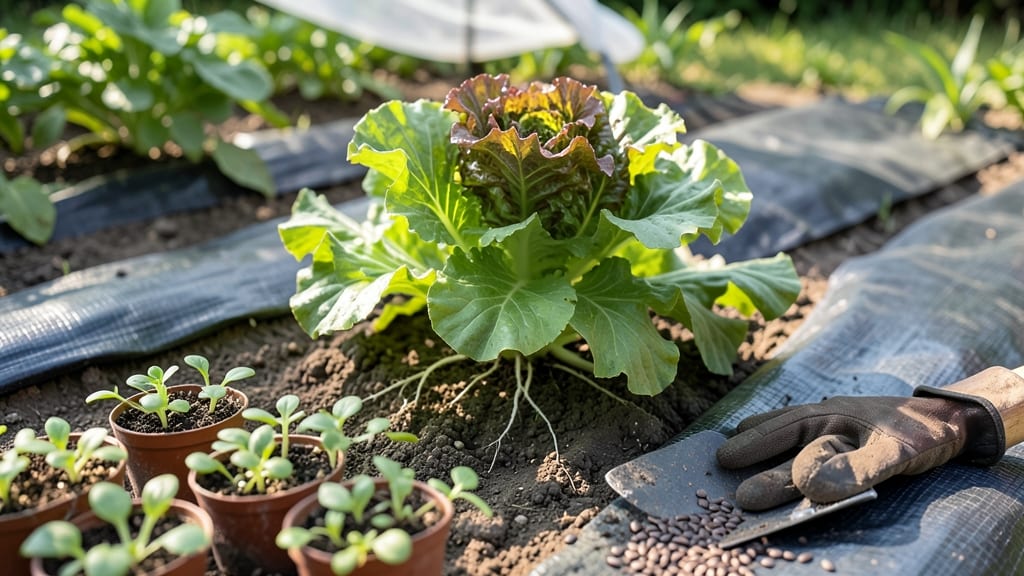
Planting lettuce in Texas isn't just about tossing seeds into the dirt—it's a delicate dance with the heat that can make your crisp 🥬 turn bitter or bolt before you even get a bite.
The key to success lies in understanding your region's unique climate, whether you're in the humid coastal plains or the drier Hill Country.
Most Texas gardeners know that summer is a no-go for lettuce, but did you realize that even fall and winter planting times vary dramatically between Zone 8a and 10b?
What works in South Texas might send your North Texas lettuce running for the hills—literally. The right timing means the difference between a flavorful harvest and a sad, seed-filled disappointment.
In this guide, I'll break down exactly when to plant for your specific corner of Texas, including shade cloth tricks and heat-tolerant varieties that actually thrive. You'll learn how to stretch your growing season from September all the way through March without losing your mind (or your greens) to bolting.
Whether you're a coastal gardener or a Hill Country homesteader, these region-specific strategies will help you grow lettuce that's crisp, sweet, and ready to harvest when you need it most. Let's get those seeds in the ground the right way.
Texas lettuce planting calendar: coastal vs. Hill Country climate zones
Texas lettuce lovers face a critical challenge: the state's brutal summer heat turns tender greens into bitter, bolted messes faster than you can say "chopped salad." But with precise timing, you can enjoy crisp lettuce from fall through spring—if you know the exact planting windows for your region.
Coastal areas like Houston (Zone 9a) and Hill Country Austin (Zone 8a) have 6+ week differences in frost dates and heat tolerance, making a one-size-fits-all approach a recipe for failure.
Let me break down the science behind these two climates. Coastal Texas enjoys milder winters and longer growing seasons, while Hill Country faces earlier frosts and hotter summers that demand extra shade protection. The key?
Planting 4-6 weeks before frost in fall and using heat-tolerant varieties like 'Black Seeded Simpson' or 'Jericho' to stretch your season. Let's dive into the month-by-month calendar that'll keep your lettuce crisp and your frustration low.
Here's the secret weapon for both regions: succession planting. In Coastal Texas, you can stretch your season by sowing every 2 weeks from September through February. The mild winters let you grow varieties like 'Winter Density' that thrive in 50-60°F soil.
Meanwhile, Hill Country gardeners should focus on transplants—direct sowing after mid-October risks frost damage, and seedlings struggle to establish before winter sets in.
Let me share my personal trick for zero-bolt lettuce: use 30-50% shade cloth during peak summer months (June-August) if you're daring enough to try early fall plantings.
I've grown 'Black Seeded Simpson' under shade in 95°F heat and still gotten harvests—just don't expect the same size as winter-grown lettuce. The key is keeping leaf temps
How to extend lettuce season in Texas without bolting disasters
Texas heat turns most lettuce varieties into bitter, bolted messes—but with the right strategies, you can enjoy crisp greens from September through March. The secret? Combining heat-tolerant varieties, succession planting, and smart shade management.
I’ve grown lettuce in both Houston’s humidity and Austin’s dry heat, and these methods work in both climates.
First, focus on soil temperature. Lettuce roots thrive when soil stays between 45°F and 75°F. If your soil hits 80°F+, even heat-loving varieties will bolt. Use mulch to keep roots cool, and avoid planting in full afternoon sun during summer months.
Here’s my battle-tested approach to stretching your lettuce season without disasters:
- 🌱 Start with heat-tolerant varieties: 'Black Seeded Simpson' (ranked #1 for Texas summers) and 'Jericho' (bolting-resistant) outperform standard romaine in 90°F+ temps.
- 📅 Succession plant every 2 weeks: Sow small batches from September to February to ensure continuous harvests. Use shade cloth (30-50%) for late-winter plantings.
- 💧 Water deeply in mornings only: Shallow watering stresses roots. Aim for 1-2 inches per week, and avoid wetting leaves to prevent fungal diseases.
- 🌡️ Monitor soil temps: Use a soil thermometer—if temps exceed 75°F, switch to leaf lettuce varieties like 'Salad Bowl' for faster harvests.
For Coastal Texas, prioritize leaf lettuce varieties like 'Oakleaf'—they bolt slower in humidity. In Hill Country, opt for romaine types like 'Parris Island Cos' to handle dry spells. Both regions benefit from drip irrigation, which keeps moisture consistent without overhead stress.
Pro tip: Harvest outer leaves first to encourage regrowth. This extends your season by 3-4 weeks compared to cutting whole heads. If you see yellowing leaves or tall stems, it’s too late—bolt has already set in.
With these techniques, I’ve harvested lettuce in April in North Texas and May in South Texas. The key is adapting to your microclimate—not fighting it. Start small, test varieties, and soon you’ll have crisp greens year-round.