
Plants
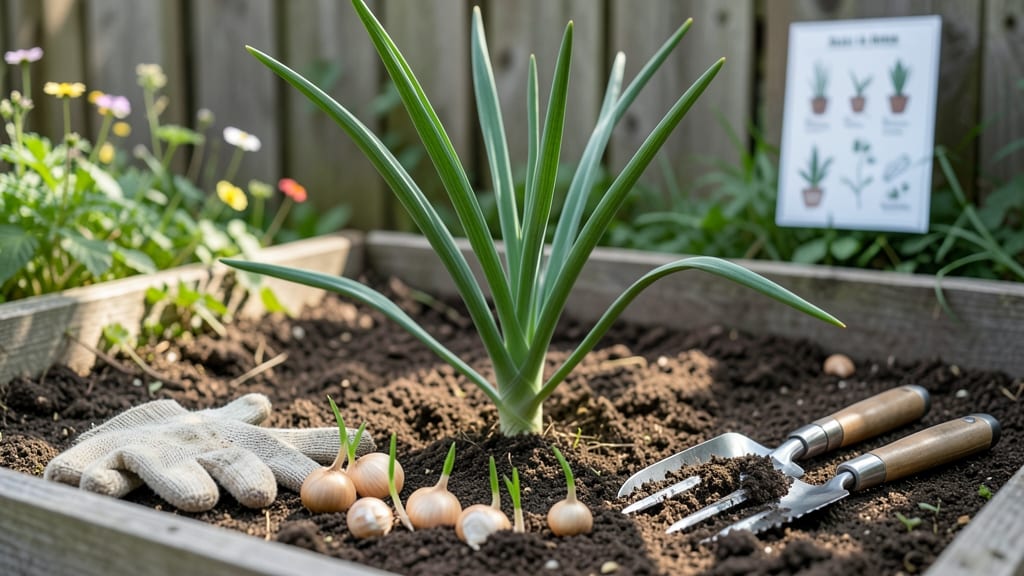
To grow perfect 🧅 onions in Missouri, when do you plant onions in this state? Timing is everything—and getting it wrong means bitter harvests or wasted effort. Plant too early, and your onions bolt; too late, and you’ll miss the sweetest flavor window.
Missouri’s 5b-6b climate demands precision, but with the right schedule, you’ll enjoy zero-bolt onions that thrive from spring to fall.
Spring planting is your best bet, with March-April offering the ideal window before the last frost around April 15. But don’t overlook fall planting—August to September gives you a second harvest before winter sets in.
The key is matching your variety to Missouri’s short growing season, whether you’re planting sets, seedlings, or seeds.
I’ve tested these methods in my own garden, and the difference between a perfect harvest and a disappointing one comes down to one thing: knowing exactly when to plant. Let’s break down the best strategies for your Missouri garden, so you can enjoy fresh, flavorful onions all season long.
From soil prep to frost dates, we’ll cover everything you need to avoid common mistakes and maximize your yield. Ready to grow onions like a pro? Let’s get started.
Missouri onion planting calendar: best months by variety type
Growing onions in Missouri requires precision timing because the state's climate spans USDA zones 5b-7a. The Show-Me State's unpredictable springs and hot summers demand careful variety selection and planting windows. Short-day onions thrive in Missouri's climate, while long-day varieties often bolt prematurely.
Let's break down the perfect planting schedule for each type.
Missouri's last frost date typically falls between March 15 and April 15, depending on your specific location. For spring planting, aim to get seeds or sets in the ground 4-6 weeks before your area's last frost date.
Fall planting should occur 8-10 weeks before the first frost, usually in late summer.
Here's how Missouri's microclimates affect planting times:
Northern Missouri (Zone 5b): Plant March 15-April 15 for spring harvests. Southern Missouri (Zone 7a): Can start as early as February 20-March 10. Ozark regions often experience 2-3 weeks later frost dates than St. Louis or Kansas City.
For spring planting, focus on short-day varieties like Texas Early White. These thrive in Missouri's climate and produce large, sweet bulbs without bolting. Plant seeds indoors 8-10 weeks before your last frost date or buy sets in early spring for direct planting.
Fall planting offers a second harvest opportunity. Choose short-day varieties again and plant August 15-September 15. This gives onions time to establish roots before winter while avoiding the heat of summer. Mulch heavily with straw to protect from freezing temperatures.
Missouri's Ozark region often experiences cooler microclimates than the Bootheel. Adjust planting dates 1-2 weeks later in northern areas like Columbia or Springfield. In St. Louis or Kansas City, you can plant 1 week earlier than average due to urban heat islands.
Always check your specific last frost date using local weather resources. The Missouri State Climatologist provides excellent regional data. For spring onions, aim for 60-70°F soil temperatures at planting. Use a soil thermometer to monitor conditions.
Remember that onion sets (small bulbs) are easier to time than seeds. They're available at garden centers starting in February and provide more predictable harvests. For green onions, you can plant anytime and harvest in 4-6 weeks, making them a flexible addition to your garden.
Missouri gardeners often double up on planting strategies. Start with spring sets for early harvests, then follow with fall seeds for a late-season crop. This ensures a continuous supply of fresh onions from June through October.
🌱
How to avoid onion bolting in Missouri’s unpredictable spring
Missouri’s spring weather can be as unpredictable as a tornado warning—one day warm and sunny, the next a surprise frost. For onion growers, this means bolting (premature flowering) is a real threat.
When onions sense cold soil followed by warm air, they trigger their flowering cycle, leaving you with bitter, stringy bulbs instead of sweet harvests. The key to preventing bolting lies in understanding soil temperature, variety selection, and protective strategies tailored to Missouri’s USDA zones 5b-6b.
Bolting isn’t just about timing—it’s also about soil conditions. Onions need consistently cool soil (50-60°F) to develop bulbs. If your soil warms too quickly (above 65°F), onions will bolt. Missouri’s clay-heavy soils can trap heat, making bolting even more likely.
The solution? Start with cold-hardy varieties and use mulching to regulate soil temperature. Let’s break down the steps to keep your onions from sending up flower stalks before their time.
⚠️ Missouri’s Onion Planting Deadline
Plant onion sets or seedlings 4-6 weeks before your last frost date (typically March 15–April 1). For Missouri’s USDA zones 5b-6b, this means no later than mid-March in southern regions (like Springfield) and late March in northern areas (like Columbia). Planting after April 15 risks bolting due to warming soil.
First, choose short-day or intermediate-day onion varieties—these are best suited for Missouri’s climate. Yellow Sweet Spanish or Texas Early White are excellent choices because they’re less likely to bolt than long-day varieties like Walla Walla.
If you’re growing from seeds, start them indoors 8-10 weeks before transplanting to avoid exposing young plants to fluctuating temperatures. Seedlings need time to establish roots before hitting Missouri’s unpredictable spring air.
Once planted, mulch heavily with straw or grass clippings (2-3 inches thick) to insulate the soil and slow warming. This is especially critical in southern Missouri, where soil heats up faster. Mulch also suppresses weeds and retains moisture, which onions love.
Avoid synthetic mulches—they can overheat the soil. For extra protection, use row covers during unexpected cold snaps (below 32°F) to prevent frost damage that can stress plants and trigger bolting.
Monitor soil temperature with a soil thermometer—this is non-negotiable. Onions bolt when soil temperatures exceed 65°F for prolonged periods. If your thermometer hits 70°F or higher, it’s time to act. Move potted onions to a shadier spot or provide afternoon shade with floating row covers.
In-ground onions may need drip irrigation to keep soil cool, as overhead watering can raise temperatures. Consistency is key: onions hate temperature swings.
Finally, fertilize wisely. Over-fertilizing with nitrogen can encourage rapid growth, which increases bolting risk. Use a balanced 10-10-10 fertilizer sparingly—just 1 tablespoon per 12 inches of row length—when onions are 4-6 inches tall.
Avoid high-nitrogen fertilizers like alfalfa meal, which can send onions into a growth spurt. Instead, focus on phosphorus and potassium to support root and bulb development without triggering flowering.
With these strategies, you’ll outsmart Missouri’s unpredictable spring and enjoy plump, sweet onions instead of bitter bolts. The secret? Patience, preparation, and a little extra insulation—just like bundling up for a Missouri spring storm. 🌱