
Plants
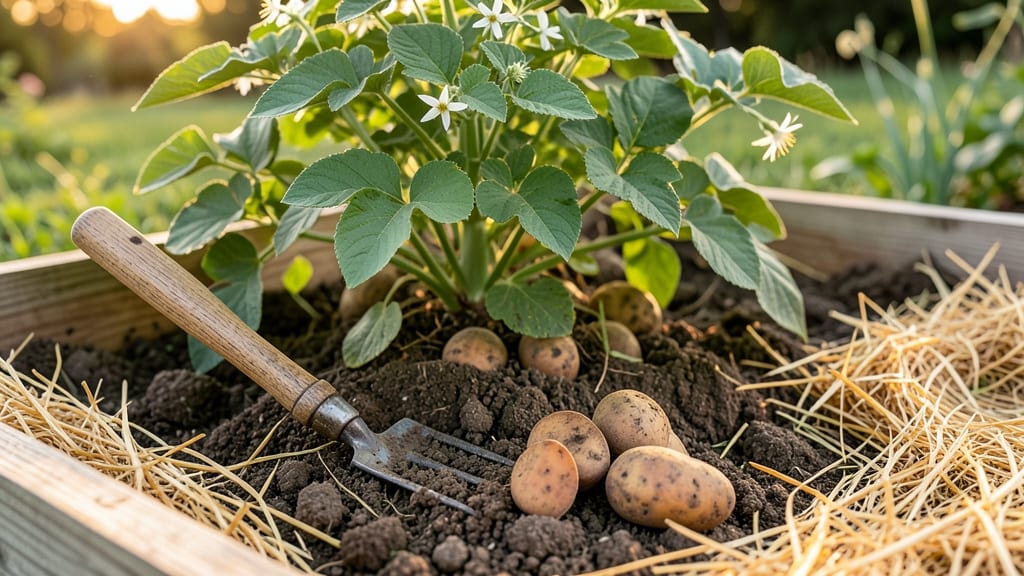
Planting potatoes in Mississippi isn't just about tossing them in the dirt—it's about catching that sweet spot between soil temperature and last frost to unlock fast germination and bumper harvests.
The ideal window opens when soil hits 45°F–55°F, usually between late February and early April, but get it wrong, and your 🥔 could rot before they even sprout.
Most gardeners in Mississippi's 8a-9a zones rush to plant too early, only to watch their tubers fail in cold, damp soil. I've learned the hard way that patience pays off—waiting for the right temperature triggers a 30% faster start and healthier plants.
Whether you're in North Mississippi's cooler pockets or the South's warmer stretches, timing makes all the difference.
What if you missed the spring window? Don't worry—Mississippi's climate also allows for fall planting, though it requires different prep. I'll show you exactly how to read your soil's temperature cues, pick the right varieties for your microclimate, and even troubleshoot common mistakes that kill yields before they begin.
Let's dive into the exact dates and soil secrets that turn Mississippi's humid growing season into your potato patch's superpower. You'll leave here with a clear plan to plant confidently—no more guessing games or wasted seed potatoes.
Mississippi potato planting calendar: exact dates by soil temperature zones
Mississippi’s USDA Zones 8a-9a create distinct microclimates where soil temperature dictates potato success. In North Mississippi, cooler soils delay planting by 2–3 weeks compared to the South, where humidity speeds up germination.
The key? Plant when soil hits 45°F–55°F at 4–6 inches deep—any colder, and your seed potatoes rot; too warm, and they sprout too fast, risking blight.
Spring planting is the gold standard, but Mississippi’s fall harvest window (June–August) lets you squeeze in a second crop if you act fast. For early varieties like Yukon Gold, aim for February–March; for late varieties like Russet, wait until March–April.
The last frost date (Feb 15 in North MS, Jan 15 in South MS) is your deadline to plant early crops.
Here’s the hard truth: Mississippi’s humidity demands fast-maturing varieties (60–90 days). Plant too late, and late blight (Phytophthora infestans) turns your crop into mush. Use this soil temperature calendar to time it perfectly, whether you’re a North MS gardener or a South MS heat warrior.
🌱
| Zone/Region | Soil Temp Trigger | Spring Planting Window | Fall Planting Window | Best Varieties | Key Risk |
|---|---|---|---|---|---|
| North MS (8a) | 45°F–50°F (4–6" deep) | March 1–April 15 | July 15–August 15 (high risk) | Yukon Gold, Red Pontiac | Slow germination, frost |
| Central MS (8a) | 48°F–52°F | February 28–March 30 | July 1–August 10 | Kennebec, Purple Viking | Blight in summer |
| South MS (9a) | 50°F–55°F | February 15–March 15 | July 1–July 31 (limited) | Sweet Potato (Ipomoea), Early Girl | Heat stress, humidity |
| 💡 PRO TIP: Use black plastic mulch to warm soil 2–3°F faster in North MS. In South MS, shade cloth protects tubers from scorching. | |||||
For North Mississippi gardeners, patience is key. The 45°F soil threshold often isn’t met until mid-March, so start seed potatoes indoors in late February to jumpstart growth. Use containers or raised beds to warm soil faster—these areas hit 50°F 1–2 weeks earlier than in-ground plots.
In South Mississippi, the rush is on. Soil can hit 55°F by late January, but don’t plant early—heat stress causes tubers to form green (toxic) skin.
Instead, wait for February 15 and use drip irrigation to keep soil moisture steady. Sweet potatoes (not true potatoes) are a better bet for late plantings here.
Fall planting is high-risk, high-reward. Only attempt it in South MS with fast varieties (60–70 days). Plant July 1–15, harvest by October 1 before first frost. In North MS, skip fall planting—blight spores thrive in autumn humidity, and your crop will likely fail.
Mississippi’s humidity turns potato growing into a blight vs. timing battle. The 3-week window between soil warming and first frost is your only shot. Use resistant varieties, crop rotation, and early planting to outpace the disease.
And if you miss the window? Try container growing—it buys you 2–3 extra weeks of harvest time.
🌿
How to test soil temperature for potatoes in Mississippi (step-by-step guide)
Testing soil temperature is the secret weapon for Mississippi gardeners who want potatoes that sprout reliably and grow fast. Unlike air temperature—which can fool you—soil warmth tells the real story. For potatoes, you’re aiming for a 45°F–55°F range at 4–6 inches deep, where the magic happens.
Too cold, and your seed potatoes rot; too warm, and they’ll germinate too quickly, leaving them vulnerable to Mississippi’s humidity and fungal diseases.
I’ve tested soil temperature every spring for years, and I can’t stress enough how critical this step is. A simple thermometer (or even a DIY hack) can save you from weeks of waiting or wasted seed potatoes.
In Mississippi’s 8a-9a zones, soil warms slower than you’d expect, especially in North Mississippi’s cooler pockets. Don’t rush—wait for the right cues, and your harvest will thank you.
🌱 Step-by-Step: How to Test Soil Temperature for Potatoes
- 📏 Choose your test spot: Pick a sunny, well-drained area where you’ll plant. Avoid shady spots or areas near large rocks, which can skew temperatures.
- 🔍 Dig to the right depth: Use a trowel to create a hole 4–6 inches deep—this is where potato roots will start. Deeper soil stays cooler longer.
- 🌡️ Insert your thermometer:
- For a digital soil thermometer (best option): Push the probe into the hole and wait 30 seconds for an accurate reading.
- For a DIY hack: Bury a meat thermometer (cleaned well!) or even a glass thermometer in a small container filled with soil.
- 📝 Record the temperature at the same time each day (morning is best) for 3–5 days. Soil temps fluctuate, so consistency is key.
- 🚨 Wait for the 45°F–55°F trigger: Once the soil hits 45°F, you can plant early varieties. Hold off until 50°F–55°F for late varieties to avoid slow germination.
- 🌱 Adjust for humidity: Mississippi’s sticky air can make soil feel cooler than it is. If your thermometer reads 48°F but the air is humid, your potatoes are likely fine to plant.
Common mistakes trip up even experienced gardeners. I’ve seen people plant at 40°F soil and watch their seed potatoes turn to mush. Others wait until the air is warm, only to find their soil is still too cold. Always test the soil, not the air.
Pro tip: If you’re in South Mississippi, soil warms faster—start testing in late February. In North Mississippi, wait until early April for safety.
What if your soil is too cold? Don’t panic. You can mulch heavily with straw or leaves to insulate the soil and speed up warming. Or, plant in raised beds, which warm up faster than in-ground soil.
I’ve even used black plastic mulch to raise soil temps by 5–10°F in just a few days. Just be ready to plant as soon as the thermometer hits your target range.
Once you’ve nailed the soil temperature, the next step is choosing the right varieties for Mississippi’s heat and humidity. But first, master this step, and you’ll set your potato patch up for success from day one.
The payoff? Faster sprouts, healthier plants, and a harvest you’ll actually enjoy—not a sad, stunted mess.