
Plants
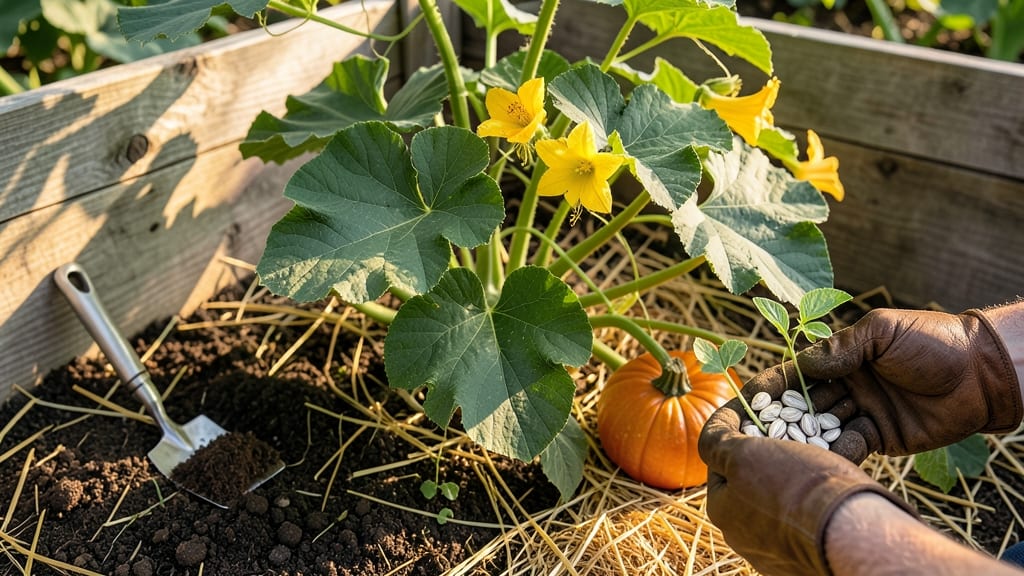
Planting pumpkins in Oregon isn’t just about waiting for summer—it’s about catching that perfect window between frost threats and scorching heat, especially when your 🎃 vines need 90 days to reach harvest. Whether you're in the Willamette Valley or the high desert, timing matters more than you think.
Skip the guesswork and learn exactly when to plant for strong, productive vines that thrive in Oregon’s 7b-9a zones.
Most Oregon gardeners wait until late May or early June to sow pumpkin seeds directly in the ground, but coastal areas and high-elevation spots need a different approach.
I’ll break down the ideal planting weeks for your microclimate, so you can avoid frost damage and maximize your harvest before fall sets in.
Should you start seeds indoors or sow them straight into warm soil? The answer depends on your location—and I’ll share the game-changer tips to adjust timing for early or late varieties. With the right strategy, you’ll have pumpkins ready for carving or cooking just in time for September-October harvests.
Ready to grow pumpkins that outshine the grocery store? Let’s dive into the exact weeks to plant, plus how to handle Oregon’s unpredictable weather like a pro.
Best pumpkin planting weeks in Oregon by microclimate zone
Oregon’s diverse microclimates mean pumpkin planting success hinges on knowing your last frost dates and soil warmth. Coastal areas like Astoria have cooler, wetter springs, while Bend in the high desert bakes early. Even the Willamette Valley can swing from frost to 90°F in weeks.
I’ve broken down the ideal planting windows for Oregon’s four key zones so you can time it right for healthy vines and bountiful harvests.
Pumpkins need soil temperatures above 60°F and 120-150 frost-free days to mature.
Most Oregon gardeners should aim for late May to early July planting, but your exact window depends on where you live. Direct-sowing is easiest for pumpkins—they dislike transplant shock—but starting seeds indoors in biodegradable pots gives coastal gardeners a head start.
I’ll show you how to adapt timing based on your USDA zone and local conditions.
🌱
| Microclimate Zone | Last Frost Date | Ideal Planting Window | Soil Warmth Tip | Best Varieties |
|---|---|---|---|---|
| Willamette Valley (Portland, Salem) | Mid-April to early May | Late May to early June | Use black plastic mulch to warm soil faster | ‘Sugar Pie’, ‘Jack Be Little’ |
| Coastal (Astoria, Cannon Beach) | Late May to early June | Early to mid-June (start seeds indoors in May) | Choose fast-maturing varieties (75-85 days) | ‘Small Sugar’, ‘Cinderella’ |
| High Desert (Bend, Redmond) | Early April to mid-April | Late April to early May | Plant near windbreaks; water deeply | ‘Howden’, ‘Waltham Butternut’ |
| Eastern Oregon (Pendleton, La Grande) | Mid-April to early May | Early May to mid-May | Use row covers for early planting | ‘Autumn Gold’, ‘Muskettee’ |
In the Willamette Valley, where I garden, late May to early June is my sweet spot. The soil finally warms up, and the risk of frost drops below 10%. I always test soil temps with a soil thermometer—pumpkin seeds won’t germinate well below 60°F.
If your soil is still cool, use black plastic mulch or straw bales to speed up warming. For coastal gardeners, patience is key: wait until mid-June to plant directly, or start seeds indoors in biodegradable pots in May.
The high desert and eastern Oregon have earlier planting windows because the ground warms faster. In Bend, I’ve seen gardeners plant as early as late April if they use row covers to protect young seedlings from late frosts.
These areas also benefit from drip irrigation to keep soil consistently moist during dry spells. Eastern Oregon’s shorter growing season favors compact varieties like ‘Muskettee’ that mature in 85-90 days.
For all zones, direct-sowing is simplest: plant 2-3 seeds per hill, 1 inch deep, and 4-6 feet apart. Thin to the strongest seedling once sprouts appear.
If you’re starting indoors, use 4-inch pots and transplant after the last frost, hardening off seedlings for 7-10 days first. Transplant shock can set pumpkins back, so avoid disturbing roots.
One pro tip I swear by: mark your planting dates on a garden journal or calendar. Oregon’s weather is unpredictable—you might need to adjust timing if spring is late or summer heat arrives early.
For example, if your area gets unusually hot early, opt for shorter-season varieties to avoid blossom end rot from inconsistent watering. 🌿
Remember, pumpkins need 6-8 hours of sunlight daily and consistent moisture, especially during flowering and fruiting. If you’re in a shady spot, choose dwarf varieties like ‘Jack Be Little’ and supplement with grow lights if needed.
The key to Oregon pumpkin success? Know your microclimate, time your planting, and give those vines space to sprawl.
Finally, don’t forget to rotate crops—pumpkins are heavy feeders and can deplete soil nutrients. Follow them next year with legumes or grasses to restore balance. With the right timing, you’ll be carving homegrown pumpkins by October, just in
How to adjust pumpkin planting for Oregon’s unpredictable weather patterns
Oregon’s unpredictable weather can turn pumpkin planting into a high-stakes game of chance. One week you’re dodging late spring frosts, the next battling early summer heatwaves. The key is flexibility—adjusting your approach based on real-time conditions rather than a rigid calendar.
I’ve learned that soil temperature and frost dates are more reliable guides than the USDA zone alone.
For example, my coastal garden in Astoria often waits until mid-June for planting, while inland Bend can start as early as late May. The difference? Coastal areas stay cooler longer, while high desert warms up faster.
Understanding these shifts helps me time frost cloth and soil warming strategies effectively. Let’s break down how to adapt.
⚠️ callout-warning ⚠️
Even if your last frost date is May 15th, a late freeze can still hit. I once lost a $50 pumpkin seed investment because I planted too early. Use frost cloth for 2-3 weeks after your expected last frost date as a safety net, especially in Zone 7b areas like Portland.
Pro Tip: Check your local Oregon State University Extension frost maps weekly—they update based on real-time data.
When dealing with late springs, I’ve had success with transplanting seedlings rather than direct sowing. Start seeds indoors 4-6 weeks before your target planting date using grow lights or a sunny windowsill.
Harden off seedlings for 7-10 days before transplanting, and choose compact varieties like ‘Jack Be Little’ for easier management. These vines establish faster in warm soil.
For heatwaves, shade cloth becomes your best friend. Once daytime temps hit 90°F+, cover young plants with 30% shade cloth to prevent blossom drop. I also mulch heavily with straw or grass clippings to retain moisture and cool the soil.
Drip irrigation set on a morning schedule keeps roots hydrated without wetting foliage, reducing powdery mildew risks.
Another trick I swear by is soil warming. Black plastic mulch raises soil temps by 5-10°F in just days, helping seeds germinate faster. Lay it down 2 weeks before planting and remove it once vines start running.
Pair this with a compost tea rinse to boost microbial activity—my pumpkins germinate 3-5 days earlier with this combo.
Don’t overlook microclimate adjustments. A south-facing slope in Medford might be ready for planting by May 1st, while a north-facing valley in Eugene could wait until June 1st. Scout your garden in late April to identify cold pockets.
If you notice lingering frost in low areas, plant those spots last or use row covers for the first 30 days.
Finally, keep an eye on your pumpkin variety’s maturity date. Shorter-season varieties like ‘Waltham Butternut’ (85 days) give you a buffer for late starts, while ‘Howden’ (100 days) needs an early jump.
Match your planting window to your first frost date—aim for a 90-110 day growing season before frost hits. With these adjustments, you’ll turn Oregon’s weather quirks into pumpkin-growing advantages. 🎃