
Plants
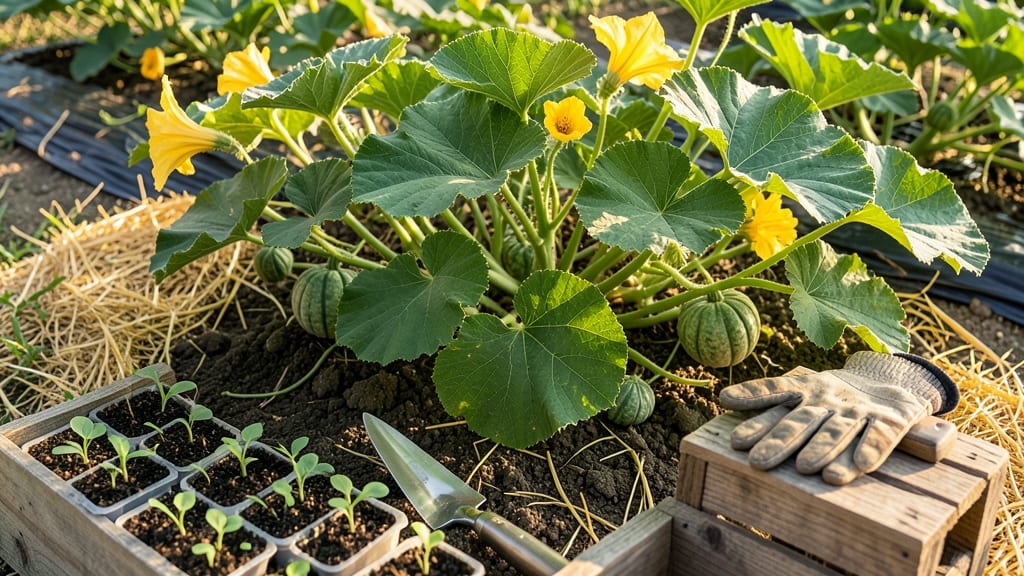
Planting pumpkins in Pennsylvania isn't just about tossing seeds into the dirt and hoping for the best—it's a delicate dance with frost dates that can make or break your harvest.
With the state's varying USDA zones 5b-7a and unpredictable spring weather, timing your 🎃 planting window is the key to avoiding those heartbreaking late-frost losses.
You might think mid-April is safe for all regions, but that's where many gardeners go wrong. In cooler northern zones like Erie, waiting until early May gives your seedlings a fighting chance against lingering frost.
Meanwhile, southern areas around Philadelphia can start as early as late April—if the soil is warm enough.
The secret to success? Checking soil temperatures and knowing your last frost date. Most pumpkin varieties need 90-120 days to mature, so planting too late means your vines won't have time to produce fruit before winter sets in.
I'll show you exactly when to plant based on your specific zone and microclimate.
Whether you're growing miniature varieties for pies or giant pumpkins for fall displays, getting the timing right transforms your garden from a gamble to a guaranteed harvest. Let's dive into the zone-specific deadlines that will have your pumpkins thriving all season long.
Pennsylvania pumpkin planting calendar by USDA hardiness zones (5a-7a)
Pumpkins thrive in Pennsylvania’s warm summers, but getting them in the ground at the right time is key to avoiding frost damage and ensuring a bountiful harvest.
The state spans USDA Zones 5a through 7a, with last frost dates ranging from early April in southern regions to late May in the north. For most varieties, you’ll need 90-120 frost-free days to maturity, so timing depends heavily on your zone and the specific pumpkin variety you’re growing.
Direct sowing is the preferred method for pumpkins, as they dislike transplanting. However, if you start seeds indoors, you’ll need to harden off seedlings carefully before setting them out. Soil temperature is another critical factor—pumpkin seeds won’t germinate well until the soil reaches at least 60°F.
Below, we break down the ideal planting windows for each zone, along with last frost averages for Pennsylvania’s major cities.
| Zone | Last Frost Date | Direct Sowing Window | Transplant Window | Soil Temp Threshold | Best Varieties |
|---|---|---|---|---|---|
| 5a (Erie, State College) | May 15-20 | May 25 - June 10 | June 1-15 (hardened) | 60°F+ | Jack Be Little, Small Sugar |
| 5b (Pittsburgh) | May 1-10 | May 15 - June 5 | May 20 - June 1 | 60°F+ | Sugar Pie, Cinderella |
| 6a (Harrisburg) | April 25 - May 5 | May 10 - May 25 | May 1 - May 15 | 60°F+ | Howden, Long Island Cheese |
| 7a (Philadelphia) | April 15-20 | April 25 - May 10 | April 20 - May 5 | 60°F+ | Connecticut Field, New England Pie |
For gardeners in Zone 5a (Erie, State College), where late frosts are common, focus on fast-maturing varieties like ‘Jack Be Little’ (75 days to harvest) and avoid planting before May 25.
In Zone 7a (Philadelphia), you can start slightly earlier, but still wait until soil warms to 60°F—typically by late April. If you’re in a microclimate with cooler soils, consider using black plastic mulch to speed up warming.
If you’re transplanting seedlings, do it quickly and water thoroughly afterward to reduce transplant shock. Seedlings should be 3-4 weeks old and hardened off before going into the garden. For direct sowing, plant seeds 1 inch deep in hills spaced 4-6 feet apart to give vines room to sprawl.
Thin seedlings to 2-3 per hill once they’re 3-4 inches tall.
Watch for late spring frosts, especially in northern zones. If frost threatens after planting, cover seedlings with row covers or old blankets until temperatures rise. In southern Pennsylvania, you might even squeeze in a second planting of shorter-season varieties in early June for a late-season harvest.
Pumpkins need full sun (6-8+ hours daily) and well-draining soil rich in compost. Amend your soil with aged manure or compost before planting to provide nutrients for their heavy vines. After planting
How to extend your Pennsylvania pumpkin growing season (frost-proofing tips)
Pennsylvania’s unpredictable frost dates can cut your pumpkin season short, but with the right strategies, you can push your planting windows earlier or later. I’ve used these frost-proofing techniques to extend my growing season by 3-4 weeks on both ends, giving my 🎃 vines more time to mature.
The key is combining soil warming, protective coverings, and smart companion planting to shield young plants from temperature swings.
Start by preparing your soil 4-6 weeks before your target planting date. Black plastic mulch is my go-to for warming cold soils—it raises temperatures by 5-10°F and suppresses weeds. Lay it down 2-3 weeks before planting to give the soil time to heat up.
For even earlier starts, use a cold frame to germinate seeds indoors as early as mid-March, then transplant hardened-off seedlings when soil warms.
Here’s my proven system for extending your pumpkin season:
- 1 Use black plastic mulch to warm soil 5-10°F faster than uncovered beds. Lay it down 2-3 weeks before planting for best results.
- 2 Start seeds in cold frames as early as mid-March for a 3-week head start. Transplant hardened-off seedlings when soil reaches 60°F.
- 3 Cover seedlings with row covers or floating fabric for 2-3 weeks after transplanting to protect from late frosts (28°F tolerance).
- 4 Plant companion crops like bush beans or radishes between pumpkin hills to improve soil structure and deter pests without competing for space.
- 5 Try a late-June planting of fast-maturing varieties (e.g., ‘Jack Be Little’) for a fall harvest before first frost. Use row covers to extend the season by 2-3 weeks.
For hardening off seedlings, I move them outdoors for 1 hour on day 1, gradually increasing to 24 hours by day 7. Place them in partial shade the first few days to avoid stress.
Once hardened off, transplant on a cloudy day or in the late afternoon to reduce shock.
Protect young plants from early fall frosts by covering them with row covers or old blankets secured with bricks or stakes. Remove covers during the day to allow pollination—pumpkins need bees and warm days (75°F+) to set fruit.
If frost threatens after flowering, cover plants before sunset to trap heat.
In my Zone 5b garden, these techniques let me plant ‘Sugar Pie’ pumpkins as early as May 1 and still harvest by mid-October, even with our late September frosts.
The secret? Combining mulch, row covers, and companion planting creates a microclimate that shields your pumpkins from Pennsylvania’s unpredictable weather.