
Plants
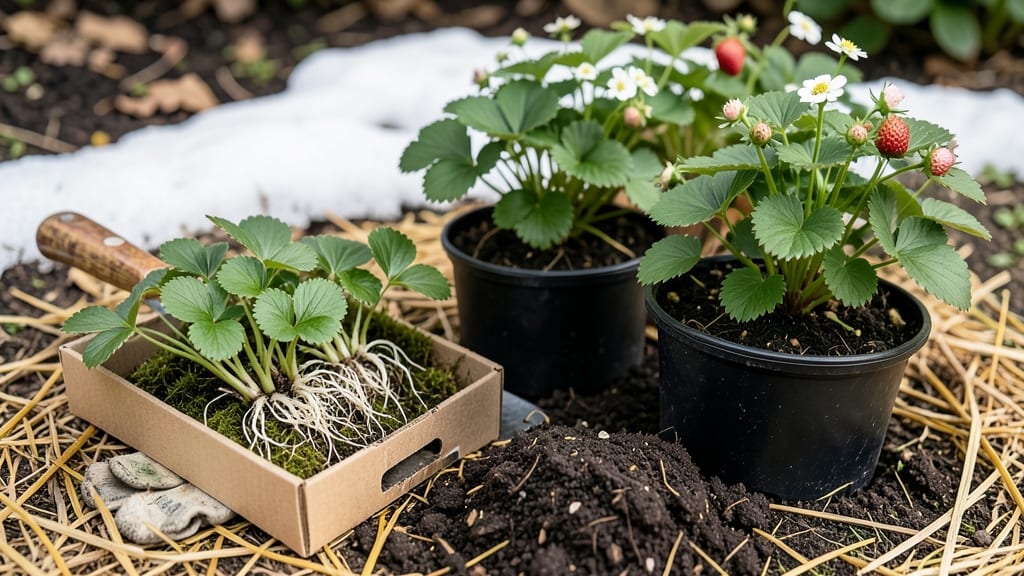
Planting strawberries in New York at the wrong time can mean the difference between a bountiful harvest and a sad, frost-nipped disappointment. With our unpredictable springs—where last-frost dates swing from early April upstate to late April in NYC—getting the timing right is critical for varieties like June-bearing and everbearing plants.
You might think you have until May to pop those 🍓 plants in the ground, but Cornell Cooperative Extension data shows that planting too late can delay fruit production by weeks.
The secret? Start bare-root plants 4-6 weeks before your area’s last frost—or risk losing your crop to late freezes. Even everbearing varieties, which give you two harvests, need that early jumpstart.
Here’s what you need to know: Upstate gardeners should aim for late April, while NYC growers can wait until early May. But don’t stop there—we’ll also cover how to protect young plants with mulch or row covers if Mother Nature throws a curveball.
Let’s get those strawberries in the soil at the perfect moment.
Whether you’re a first-time gardener or a seasoned pro, these frost-free planting windows will help you avoid common mistakes and maximize your berry yield. Ready to dig in?
Best planting times for June-bearing vs everbearing strawberries in New York
New York’s June-bearing and everbearing strawberries thrive when planted during specific frost-free windows. For June-bearing varieties, aim for late April to early May—this gives plants time to establish roots before summer heat.
Meanwhile, everbearing varieties can handle two plantings: spring (same window) and fall (late August to early September). Regional differences matter too: Upstate areas like Syracuse (Zone 5) have earlier last-frost dates (mid-April) than NYC (late April).
Soil temperature is critical: strawberries need 45°F soil to root successfully. Use a soil thermometer to confirm before planting. Bare-root plants should go in the ground 4-6 weeks before your area’s last frost date, while potted transplants can wait until 2 weeks before frost-free dates.
Everbearing varieties planted in fall need 6-8 weeks to establish roots before winter dormancy.
Here’s your New York planting timeline broken down by variety and region:
| Variety Type | Planting Window | Soil Temp Threshold | Last Frost Date (NYC) | Last Frost Date (Upstate) | Best For |
|---|---|---|---|---|---|
| June-bearing | Late April - Early May | 45°F+ | Late April | Mid-April | Single harvest (June) |
| Everbearing (Spring) | Late April - Early May | 45°F+ | Late April | Mid-April | Spring + Fall harvests |
| Everbearing (Fall) | Late August - Early Sept | 50°F+ | N/A (winter dormant) | N/A (winter dormant) | Fall harvest only |
| Bare-Root Plants | 4-6 weeks before frost | 40°F+ | Early April | Late March | Early establishment |
| Potted Transplants | 2 weeks before frost | 45°F+ | Mid-April | Early April | Flexible timing |
For June-bearing strawberries, planting in late April ensures roots establish before the June harvest rush. Popular varieties like ‘Jewel’ or ‘Chandler’ thrive in this window. In Upstate NY (Zone 5), you can start as early as late March if using row covers to protect from late frosts.
Everbearing varieties like ‘Seascape’ produce fruit in both spring and fall, making them ideal for extended harvests.
If you’re planting in fall (August-September), focus on everbearing varieties only—they’ll produce a small harvest before winter. Avoid June-bearing varieties in fall; they need winter dormancy to fruit well the next year. Use black plastic mulch in fall plantings to warm soil and jumpstart root growth.
In NYC’s warmer microclimates, you might squeeze in a late-September planting, but aim for 6-8 weeks before first frost.
Soil preparation is just as critical as timing. Strawberries prefer slightly acidic soil (pH 5.5-6.8) and well-draining beds. Work in 2-3 inches of compost before planting, and avoid fresh manure, which can burn roots.
Raised beds are perfect for NYC’s dense soil—amend with peat moss or perlite to improve drainage. In Upstate’s clay-heavy soils, add sand or coconut coir to prevent waterlogging.
Pro tip: Stagger your plantings by 2-3 weeks for continuous harvests. For example, plant half your June-bearing beds in late April and the rest in early May. This spreads out the June harvest window by 1-2 weeks.
Everbearing varieties benefit from two separate plantings: one in spring and one in fall. Use straw mulch (not black plastic) for everbearing plants to keep berries clean and prevent rot.
Watch for late spring frosts, which can devastate young plants. Sign up for Cornell Cooperative Extension alerts or use a frost watch app to track forecasts. If frost threatens after planting, cover beds with lightweight row fabric or
How to extend your strawberry season in New York’s unpredictable climate
New York’s late spring frosts can turn your strawberry dreams into icy disappointment if you’re not prepared. Even after planting at the right time, a surprise 28°F night can wipe out tender new growth. The key to success?
Layered protection strategies that shield your plants without smothering them. I’ve tested everything from row covers to cold frames in my Upstate garden, and these methods work—even when the forecast calls for "sunny with a chance of snow."
Your first line of defense should be mulching. A 3-inch layer of straw mulch insulates roots while keeping berries clean and dry. But here’s the catch: black plastic mulch warms soil faster in spring—ideal for jumpstarting early plantings—but it can overheat roots in summer.
I’ll show you exactly when to switch between them based on your planting timeline. For everbearing varieties, staggered plantings in late August give you a fall harvest before frost, but only if you protect them early.
Let’s break down the step-by-step protection plan that’s saved my strawberries from multiple late frosts. These tactics don’t just extend your season—they turn "maybe" harvests into guaranteed ones.
5 Pro Tips to Protect Strawberries from Late Frosts
- 🌱 Plant 4-6 weeks before last frost—bare-root plants need time to establish roots before cold snaps hit. Upstate NY: late April; NYC: early May.
- 🛡️ Use row covers (floating fabric) for 28°F nights—secure edges with bricks or soil to trap heat. Remove during daylight for pollination.
- 🔥 Black plastic mulch in April-May speeds soil warming by 10°F; switch to straw mulch in June to prevent overheating.
- ❄️ Cold frames extend season 3-4 weeks earlier—ideal for everbearing varieties. Use clear lids to trap sunlight; prop open on warm days.
- 📅 Stagger plantings: Plant 1/3 in late April, 1/3 in early May, and 1/3 in June for continuous harvests. Everbearing? Add a fall planting in August.
One year, I lost my entire June-bearing batch because I ignored the 5-day frost warning in early May. The lesson? Monitor forecasts like a hawk and act fast. My go-to tool is the National Weather Service’s frost probability maps—they predict lows with 90% accuracy.
When temps dip below 32°F, I cover plants with lightweight row fabric (like Agribon) and secure it tightly. Pro tip: Use bricks or hoops to keep fabric from touching leaves, which can cause rot.
For black plastic mulch lovers, here’s the timing hack: Lay it down 2-3 weeks before planting in early April to warm soil. But by June 1st, replace it with straw mulch—plastic can bake roots in summer.
I’ve also had success with straw bales around plant bases for extra insulation. Just remember: Never mulch too late—adding mulch after flowers appear can delay fruiting.
Ever wondered why some strawberries ripen weeks earlier than others? It’s not just variety—it’s microclimate control. A cold frame (a DIY box with a clear lid) can add 5-7°F of warmth.
I built one from wooden pallets and plexiglass for my everbearing plants, and it gave me 3 extra weeks of harvests in fall. The secret? Vent the lid on days above 70°F to prevent overheating. For container growers, move pots to a sunny windowsill at night if frost is forecasted.
Your strawberry season doesn’t have to end with the first frost. With these layered protection strategies, you can enjoy berries from late May to October—even in Zone 5. Start with mulch and row covers, then graduate to cold frames or black plastic for high-risk periods.
And always keep that staggered planting schedule in mind. Trust me, your taste buds (and your neighbors) will thank you when you’re harvesting sweet strawberries long after your friends’ plants have frozen over.