
Plants
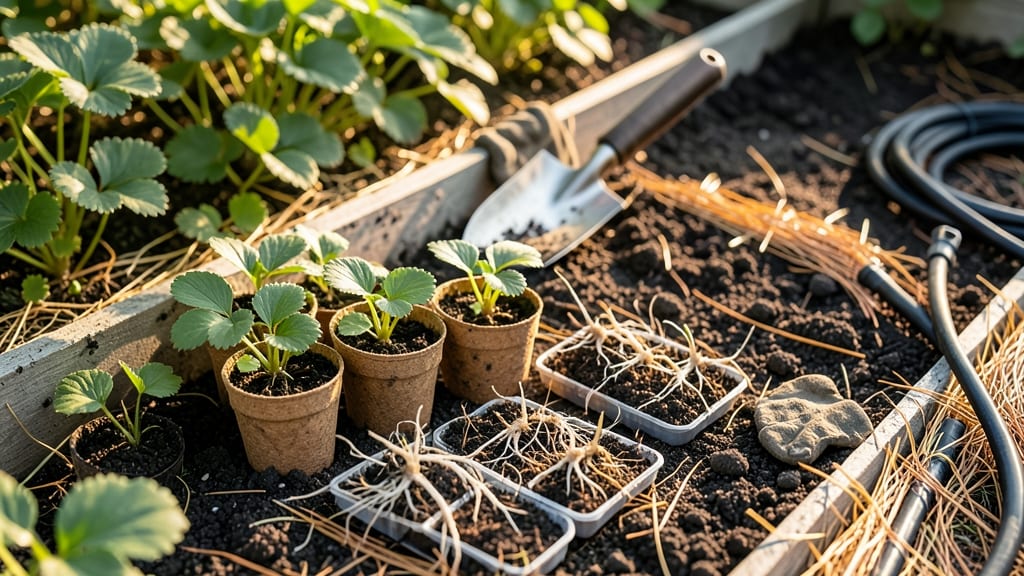
Planting strawberries in Virginia isn’t just about grabbing a few plants and sticking them in the ground—it’s about timing them perfectly to match your USDA zone’s chill-hour needs and frost risks.
Whether you're in the cooler mountains of Zone 6a or the milder Coastal Plain of Zone 8a, getting the timing wrong can mean the difference between a bumper crop of sweet 🍓 and wasted effort.
Most Virginia gardeners swear by fall planting (September–October) because it gives the plants a head start on root growth before winter, but spring planting (February–April) works too—if you’re in a warmer zone.
The key is understanding how many chill hours your strawberries need (anywhere from 300 to 900+), which directly impacts when you can safely plant bare-root or potted varieties without risking frost damage.
I’ve tested both methods across Virginia’s microclimates, and what I’ve learned will save you from common mistakes like planting too early and losing your crop to a late frost.
Let’s break down the best strategies for your specific zone, including how to adjust for Virginia’s unpredictable spring weather and extend your growing season for a longer harvest.
Ready to set your strawberries up for success? You’ll discover exactly when to plant, which varieties thrive in your area, and how to protect your investment—no guesswork required.
Virginia’s best strawberry planting windows by USDA Zone (with chill-hour requirements)
Virginia’s USDA zones 4a through 8a create wildly different growing conditions for strawberries. In Zone 4a (mountainous regions like the Blue Ridge), early frosts demand 900+ chill hours and fall planting.
Meanwhile, Zone 8a (Tidewater) can handle 300–500 chill hours with spring planting. The key? Matching your variety’s chill requirements to your zone’s climate patterns.
Most Virginia gardeners plant strawberries in early fall (September–October) or late winter (February–March). Fall planting gives roots time to establish before winter, while spring planting avoids frost damage.
But chill-hour needs dictate which varieties thrive—and when you should plant them. For example, Albion (900+ hours) won’t fruit well in Zone 7a if planted in spring.
Here’s your zone-by-zone planting guide, including chill-hour requirements, best planting windows, and whether to use bare-root plants or potted strawberries:
For Zone 4a–5a gardeners, fall planting is critical. Strawberries need time to establish roots before winter, and varieties like Albion (900+ chill hours) won’t fruit if planted too late. In these zones, aim to plant by October 1st—any later risks frost damage to young plants.
Use bare-root plants for better cold hardiness, and mulch with straw or leaves to insulate roots.
In Zone 6a–7a (Piedmont), you have flexibility with both fall and spring planting. However, spring planting in March works best for varieties like Jewel (700 chill hours).
If you plant in fall, choose September to avoid early winter frosts. Potted strawberries are easier to handle in these zones, especially for beginners, and they establish faster than bare-root plants.
Gardeners in Zone 7b–8a (Coastal Plain) can push the envelope with spring planting in February–March. Varieties like Seascape (300–500 chill hours) thrive here and even produce fall fruit if planted early.
Avoid planting in November, as mild winters can trick plants into growing too early, making them vulnerable to late frosts. Everbearing varieties are ideal for these zones—they produce fruit in both spring and fall.
One common mistake? Assuming all strawberries need 900+ chill hours. In reality, day-neutral varieties (like Seascape) produce fruit without dormancy, making them perfect for Zone 7b–8a.
If you’re in a warmer zone, focus on these types to avoid disappointment. For June-bearing varieties (like Chandler), chill hours are non-negoti
How to adjust planting dates for Virginia’s microclimates and frost risks
Virginia’s diverse geography—from the mountains of Zone 4a–5b to the Coastal Plain’s Zone 7b–8a—means frost risks and planting windows vary dramatically.
In the Blue Ridge Mountains, late frosts can linger until April 15, while Tidewater gardeners in Zone 8a might face early fall frosts by October 15. Understanding these microclimates is key to protecting your strawberry plants and maximizing yields.
For Zone 4a–5b (mountainous regions), aim to plant strawberries in late May or early June to avoid spring frosts. In Zone 6a–7a (Piedmont), both spring (March–April) and fall (September–October) planting work, but fall plantings need frost protection.
Meanwhile, Zone 7b–8a gardeners can plant as early as February or even late fall, thanks to milder winters.
🌱 numbered highlights
To extend your growing season, row covers are your best friend. In Zone 4a–5b, use them until May 15 to shield young plants from late frosts. For fall plantings in Zone 6a–7a, cover plants with frost cloth once temperatures dip below 32°F.
In Zone 7b–8a, you can even try winter mulching with straw or leaves to protect roots during occasional 20°F nights.
Mulching isn’t just for frost protection—it also regulates soil temperature and reduces weeds. In spring, apply straw mulch (3–4 inches) to warm soil faster. In fall, use 6 inches of straw or leaves to insulate roots.
For bare-root plants, mulch heavily around the crown to prevent heaving during freeze-thaw cycles.
Pro tip: Monitor your local microclimate by checking nearby weather stations or using a soil thermometer. If your garden sits in a frost pocket (common in valleys), plant strawberries on a south-facing slope or near a heat-retaining wall to delay frost damage.
With these adjustments, you’ll extend your harvest by 3–4 weeks compared to unprotected plantings.
Don’t forget: everbearing varieties (like Seascape) produce two harvests per year—one in spring and another in fall. Time your plantings to capture both seasons, especially in Zone 7b–8a, where winters are mild enough for year-round growth with proper protection.