
Plants
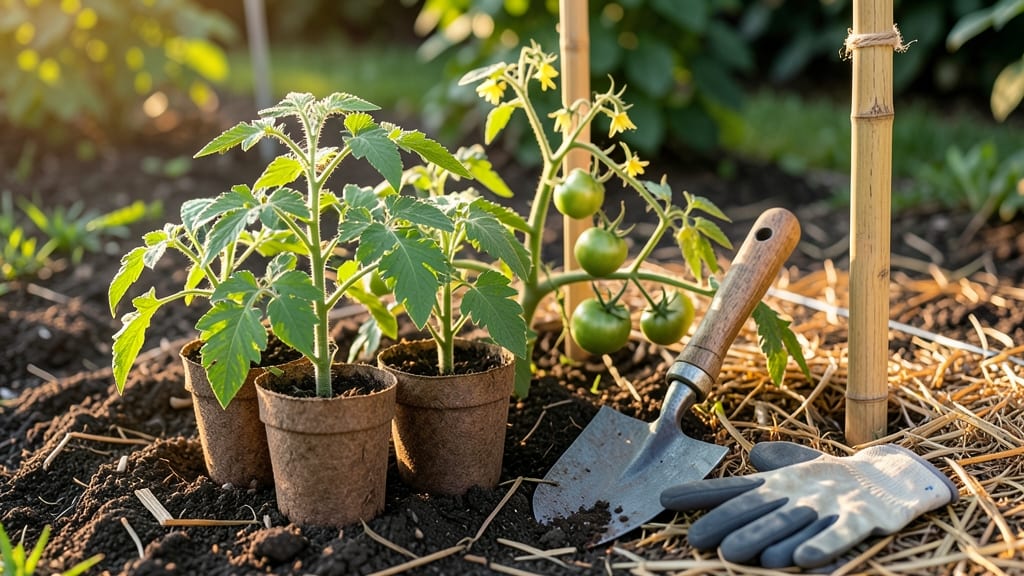
Planting tomatoes in Illinois at the wrong time can mean the difference between a bountiful harvest and wasted effort—especially in USDA Zones 5-6, where frost lingers until late April.
If you’ve ever watched your seedlings shrivel after an unexpected chill or struggled with stunted growth from late planting, you know timing matters more than most gardeners realize.
The ideal window for planting 🍅 tomatoes in Illinois runs from mid-April to mid-May, but that’s a broad range with critical nuances. Northern Illinois gardeners face a shorter season, while southern regions can stretch their harvests longer.
Whether you’re starting seeds indoors or direct-sowing outdoors, knowing your last frost date—and how to adjust for early or late varieties—is the key to success.
In this guide, I’ll break down the exact frost-free dates by region, share proven strategies for transplanting seedlings without shock, and help you choose varieties that thrive in Illinois’ climate. By the end, you’ll have a clear plan to maximize your tomato yield—no more guesswork, just juicy, vine-ripened results.
Ready to turn your garden into a tomato powerhouse? Let’s dive into the perfect planting schedule for your Illinois zone and set you up for a harvest that’ll make your neighbors green with envy.
Illinois frost-free dates by region: the perfect window for planting tomatoes
Growing tomatoes in Illinois requires precise timing to avoid late spring frosts that can devastate young plants. The state spans USDA Zones 5-8, meaning frost-free dates vary dramatically from northern to southern regions. Understanding these regional windows ensures your seedlings thrive and produce abundant harvests from July through October.
Northern Illinois (Zones 5-6) typically sees its last frost around April 15-30, while southern Illinois (Zones 7-8) can safely plant as early as March 15.
The key is waiting until the soil temperature reaches 60°F+—a critical threshold for tomato root development. Use a soil thermometer to confirm readiness before transplanting.
| Region | USDA Zone | Avg. Last Frost | Ideal Planting Window | Heat Tolerance Tip |
|---|---|---|---|---|
| Northern IL (Chicago, Rockford) | 5-6 | April 15-30 | May 1-15 (after frost) | Choose cool-season varieties like 'Stupice' |
| Central IL (Springfield, Peoria) | 6 | April 1-15 | April 20-May 10 | Mid-season varieties like 'Better Boy' thrive |
| Southern IL (St. Louis, Cairo) | 7-8 | March 15-April 1 | March 20-April 15 | Heat-tolerant varieties like 'Solar Fire' |
| All Regions | 5-8 | N/A | Succession plant every 2 weeks | Use black plastic mulch to warm soil |
For northern Illinois gardeners, late April to early May is the sweet spot for transplanting seedlings. Start seeds indoors 6-8 weeks before your region's last frost date to give them a head start.
Southern Illinois growers can begin transplanting as early as mid-March, but always monitor nighttime temperatures—tomatoes struggle when temps drop below 55°F.
Heat tolerance varies by variety: Early-season tomatoes like 'Mountain Merit' handle cooler temps, while late-season varieties such as 'Celebrity' need consistent warmth. In Zone 5, consider using row covers to protect seedlings from unexpected late frosts.
These lightweight fabrics raise soil temperatures by 5-8°F, accelerating growth without requiring greenhouse space.
Transplanting too early is a common mistake—I once lost a batch of seedlings to a late-May frost in northern Illinois. To avoid this, check the National Weather Service's frost prediction maps or use local Cooperative Extension Service data.
For example, Chicago's average last frost date is May 10, but 2020 saw frost as late as May 25—always plan for 2-3 weeks after the average date.
Soil preparation is just as critical as timing. Amend your garden beds with compost and aged manure to improve drainage, and add a 5-10-10 fertilizer at planting time.
Tomatoes in Illinois also benefit from cage support—indeterminate varieties can grow 6+ feet tall, so install stakes or cages before transplanting to avoid root disturbance later.
Pro tip: If you're in Zone 6 or below, prioritize early-maturing varieties (60-70 days to harvest) to maximize your growing season. Varieties like 'Early Girl' or 'Patio Princess' are excellent choices.
For Zones 7-8, you can experiment with longer-season varieties like 'Brandywine' or 'Cherokee Purple', which develop deeper flavors when given extra time in the garden.
Remember that microclimates play a role—urban areas may experience 2-3°F warmer temperatures than rural zones due to concrete and pavement. If you're in a city like Chicago or Springfield, you might safely plant 1-2 weeks earlier than the regional average.
Always observe your specific location's sun exposure patterns and wind protection needs.
Finally, keep an eye on the first frost dates in your area. Southern Illinois typically sees frost by October 15, while northern regions may experience frost as early as September 30
How to adjust planting time for early vs. late tomato varieties in Illinois
Illinois gardeners face unique challenges balancing early frost risks with late-season heat.
The key to success lies in selecting the right tomato varieties and adjusting planting times. Early varieties like 'Stupice' or 'Mountain Merit' thrive in cooler conditions, while late-season heat-tolerant types such as 'Celebrity' or 'Heatmaster' handle summer's intensity better.
For northern Illinois (USDA Zone 5), start heat-tolerant varieties indoors by March 1st and transplant after May 15th when soil reaches 60°F. In southern Illinois (Zone 6), you can push planting to June 1st for late varieties, extending harvests into October.
Here’s how to balance your planting strategy for maximum yield:
Early Varieties
- Matures in 60-70 days
- Thrives in 55-75°F temps
- Lower risk of blossom end rot
- Limited late-season harvest
- Sensitive to heat stress after 80°F
- Smaller fruit size
Late Varieties
- Matures in 80-90 days
- Handles 90°F+ heat well
- Larger fruit yield
- Requires longer growing season
- Higher risk of disease in humidity
- Needs staking/support
Extend your growing season with row covers or cold frames for early plantings. These protect seedlings from late frosts (common in northern Illinois) and allow you to plant 2-3 weeks earlier than usual. Remove covers once plants are established to prevent overheating.
For succession planting, stagger transplants every 2 weeks from May through July. This ensures a continuous harvest while accounting for late-season heat. Use dwarf varieties like 'Tiny Tim' for container gardening, which can be planted as late as June 15th and still produce fruit.
Avoid transplant shock by hardening off seedlings for 7-10 days before moving them outdoors. Water deeply 1-2 days before transplanting and use shade cloth for the first week to reduce stress. Monitor soil moisture closely—consistent watering prevents blossom end rot and cracking.
My personal trick? Plant a mix of early, mid, and late varieties to ensure tomatoes from June through October. For example, start 'Early Girl' (60 days) in March indoors, then transplant 'Better Boy' (75 days) in May, and finish with 'Heatmaster' (85 days) in June.
This 3-phase approach guarantees a steady supply of tomatoes all season long. 🌱