
Plants
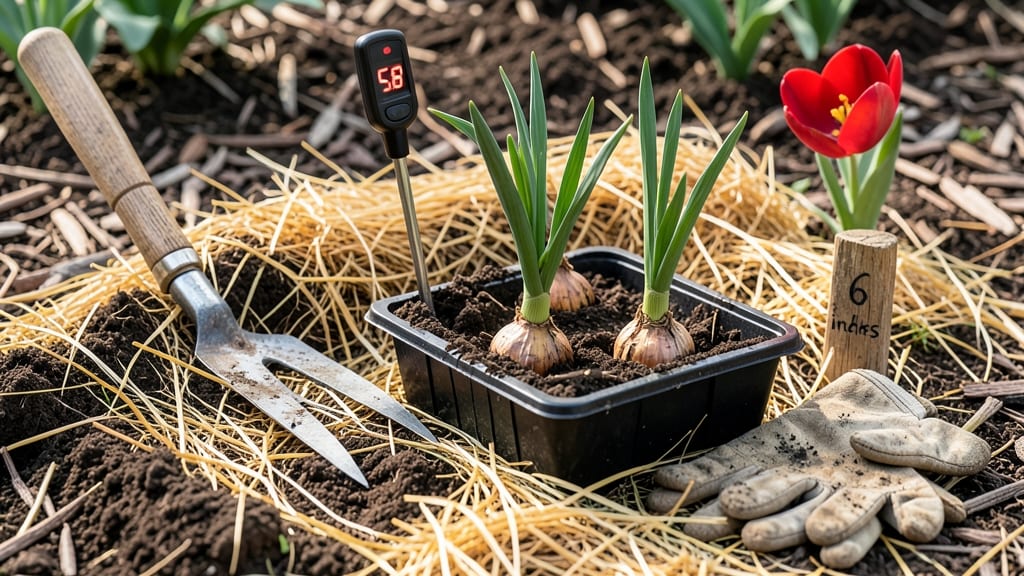
Planting tulip bulbs 🌷 in North Carolina at the wrong time means frozen roots—or worse, no blooms next spring. The secret isn’t just picking a month; it’s reading your local climate like a map, from Piedmont’s cooler nights to Coastal Plain’s milder winters.
Most gardeners in USDA Zones 7a-8b reach for their shovels between October and November, but that’s only half the story. Soil temperatures below 50°F signal it’s time to plant, while first frost dates (as early as mid-November in the mountains) demand precision.
I’ve learned the hard way that bulbs planted too early rot, and those planted too late struggle to root before winter. Here’s how to nail the timing for your specific corner of North Carolina—plus soil prep tricks that keep your 🌷 tulips thriving year after year.
Whether you’re in Asheville’s Zone 7a or Wilmington’s Zone 8b, this guide cuts through the guesswork. Let’s get those bulbs in the ground the right way—so you’re the one admiring the first spring blooms while your neighbors are still waiting.
North Carolina tulip planting calendar by USDA Zone: exact months and soil temperature rules
North Carolina’s diverse climate—from the cool mountains of Asheville (Zone 7a) to the milder coastal plains (Zone 8b)—means your tulip planting timing must be precise. Plant too early, and bulbs may sprout before winter; too late, and they won’t root before frost.
The golden rule: aim for 6-8 weeks before your area’s first hard frost, when soil temps hit 40-50°F. This ensures roots establish before dormancy.
Soil temperature is your most critical factor. Tulip bulbs need consistent 40-50°F soil to initiate root growth without sprouting prematurely. Use a soil thermometer to check—if temps dip below 40°F, wait another week.
In Zone 7a (Asheville), this typically means planting in mid-October; in Zone 8b (Coastal NC), you’ve got until early December.
Here’s your zone-by-zone planting calendar, including first-frost dates and ideal soil temps to avoid common mistakes:
| USDA Zone | First Frost Date | Ideal Planting Window | Soil Temp Threshold | Key Notes |
|---|---|---|---|---|
| 7a (Asheville) | Mid-November | Mid-October (6-8 weeks before frost) | 40-50°F | Coolest zone; use mulch (4-6 inches) to insulate bulbs. |
| 7b (Boone) | Late November | Late October | 40-50°F | Plant Darwin Hybrids for best winter survival. |
| 8a (Raleigh) | Early December | November (first 2 weeks) | 45-50°F | Warmer zone; avoid late planting (after Dec 1). |
| 8b (Coastal NC) | Mid-December | Early December (last chance!) | 50°F+ | Mildest zone; plant deeper (8 inches) for insulation. |
Pro tip: Use the "back of the hand test" to gauge soil readiness. Press your hand into the soil—if it’s cool but workable (like hummus consistency), it’s time to plant.
In Zone 7a, this usually aligns with mid-October; in Zone 8b, wait until early December to avoid soggy, overworked soil.
North Carolina’s microclimates can shift planting windows by weeks. For example, elevated gardens in the Piedmont may frost earlier than valley floors. Check your local NC State Extension office for hyper-local frost data—this can save your bulbs from winter kill.
I once planted too early in Zone 7b and watched tulips sprout in November before a hard freeze!
Soil drainage is your second critical factor. Tulip bulbs rot in waterlogged soil. Amend heavy clay with compost or sand to improve drainage. In Coastal NC’s sandy soils, add organic matter to retain moisture.
Always plant bulbs on a slight mound or in raised beds if your yard stays soggy after rain.
After planting, mulch heavily (4-6 inches) with straw or shredded leaves. This insulates bulbs from temperature swings and prevents heaving during freeze-thaw cycles. In Zone 8b, where winters are milder, mulch still helps—but focus on weed suppression to avoid competition for nutrients.
Finally, mark your planting date on a calendar and note your soil temp at planting. This helps you adjust next year. For example, if you planted in late November in Zone 7a
5 Critical mistakes that kill tulip bulbs in North Carolina (and how to avoid them)
North Carolina’s unpredictable winters can turn tulip planting into a high-stakes game. I’ve seen bulbs rot in soggy soil one year and freeze solid the next—both because of timing mistakes.
The key isn’t just picking a month; it’s understanding how your local microclimate (like Raleigh’s humidity or Asheville’s sharp frost) interacts with bulb biology.
Even experienced gardeners overlook soil temperature and drainage issues, which are make-or-break for tulips. In my Zone 7b garden, bulbs planted in September often rot before roots establish, while those planted in December fail to root before winter. Let’s fix these common errors before your next planting season.
⚠️ Deadly Mistake #1: Planting When Soil Is Too Warm
Problem: Tulip bulbs need 40-50°F soil to start rooting. Planting in warm September soil (common in Coastal NC) triggers rot before roots form. I’ve lost entire batches this way!
Solution: Wait until soil drops below 60°F—use a soil thermometer or check local frost dates. In Zone 8a, aim for mid-October; in Zone 7a, late September works.
Another silent killer is skipping bulb prep. Many gardeners assume "big bulbs = healthy bulbs," but I’ve seen shriveled, moldy bulbs from stores that didn’t inspect them first. Always soak bulbs in fungicide for 30 minutes before planting to prevent Botrytis blight, which thrives in NC’s damp springs.
Depth matters more than most realize. Planting too shallow (less than 6 inches deep) exposes bulbs to frost heave, while burying them too deep (over 8 inches) starves them of sunlight.
My rule: 3x the bulb’s height—so a 2-inch bulb goes 6 inches deep. Use a bulb planter for precision.
Location choices also backfire. Tulips in low-lying areas drown during NC’s winter rains, while those in full afternoon sun (common in Piedmont) scorch. Pick spots with morning sun + afternoon shade and sloped beds to prevent water pooling. A 5-degree slope improves drainage dramatically.
Finally, forgetting to mulch after planting is a rookie mistake. Without 3-4 inches of mulch (straw or pine needles work best), bulbs freeze in Zone 7a winters. I’ve seen entire beds of tulips survive -5°F with mulch—but without it? Zero blooms the next spring.
Use this quick checklist before planting: soil temp < 60°F, depth = 3x bulb height, slope for drainage, mulch after frost. Follow these, and your tulips will reward you with bold spring blooms year after year. 🌷