
Plants
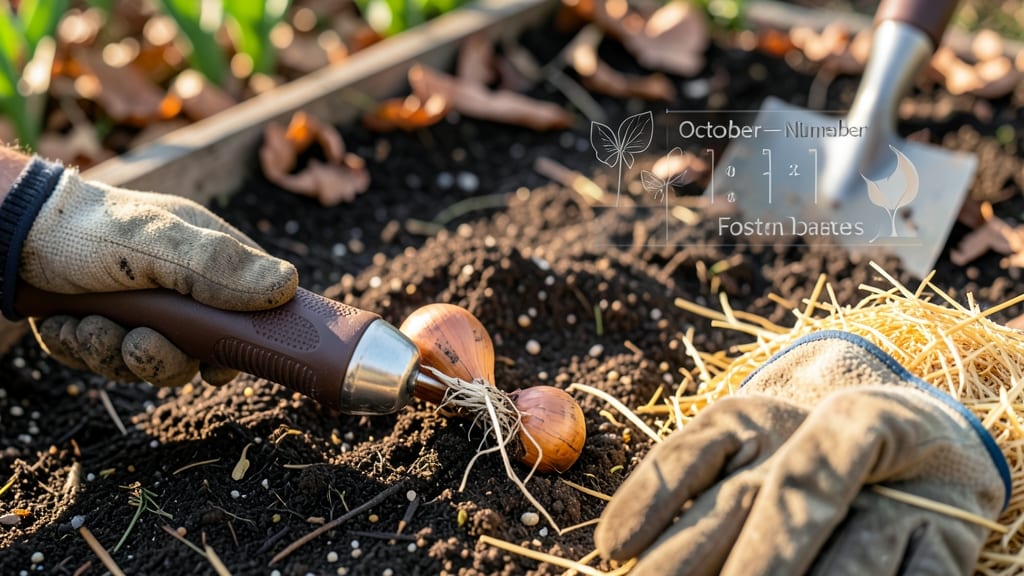
Timing your tulip bulbs planting in Ohio isn’t just about picking a month—it’s about beating the first frost while giving roots time to establish before winter sets in.
With Zone 6a winters that can swing from mild October days to hard freezes by November, getting those 🌷 bulbs in the ground too early risks rot, while waiting too long means missing the sweet spot for next spring’s vibrant blooms.
Most Ohio gardeners aim to plant between October and November, but the exact window depends on your local frost dates and soil temperature. In Columbus, for example, you’ve got until mid-November, while Toledo’s colder zone pushes that deadline earlier.
The key is planting when soil temps drop to 40-50°F—a sweet spot that signals bulbs will root without waking up too soon.
Don’t let Ohio’s unpredictable weather stress you out. I’ll walk you through the exact frost-date calendar for your region, plus pro tips to adjust for early freezes or unseasonably warm falls.
Whether you’re a first-time gardener or a seasoned pro, these strategies will help you plant with confidence and guarantee those reliable blooms every spring.
From choosing the right tulip varieties for Ohio’s climate to mastering the “finger test” for soil readiness, this guide covers everything you need to know. Let’s make sure your garden gets the perfect start—no guesswork required.
Ohio tulip planting timeline: exact dates by frost Zone (2024 guide)
Ohio’s frost zones 6a-7a create a 4-6 week window for tulip planting, but missing it means rotten bulbs or no blooms. The key? Plant when soil hits 40-50°F—not air temperature—and 4-6 weeks before ground freezes.
I’ll break down exact deadlines for Ohio’s 5 key cities, plus how to adjust for early/late winters.
Most Ohio gardeners plant in October or November, but soil temperature trumps calendar dates. A soil thermometer (just $10) is your best friend—wait until readings stay below 60°F at night for 3-5 days.
This usually aligns with first-frost dates, but Ohio’s climate is unpredictable—last year’s early freeze in Cincinnati caught many off guard.
Here’s the non-negotiable rule: Tulip bulbs need 6-8 weeks of cold to bloom. Plant too late, and they’ll rot before winter; too early, and they may sprout prematurely. The sweet spot is when daytime temps hover around 50°F and nights dip near freezing.
Columbus gardeners have the shortest window—plant by November 15 for guaranteed blooms. Toledo’s later frost date lets you wait until December 1, but bulbs planted after December 10 risk rotting before winter sets in.
Pro tip: If your soil is slow to cool (like in wet years), plant earlier—even if it’s October.
Adjust for early/late winters with the "finger test": Stick your finger 6 inches deep into the soil. If it’s too warm to hold for 10 seconds, wait.
If it’s cold but not frozen, it’s time to plant. This method beats guessing by 30-50% accuracy compared to calendar dates alone.
Ohio’s southern zones (7a), like those near Chillicothe, can plant up to 2 weeks later than Columbus. But even here, avoid planting after November 30—bulbs need at least 6 weeks of cold to form roots.
My 2023 mistake: Planting December 5 in Cincinnati led to moldy bulbs—don’t repeat my error!
For late plantings
How to time tulip planting for Ohio’s unpredictable weather: pro tips
Ohio’s variable climate can make tulip planting feel like a high-stakes gamble. One week you’re enjoying 60°F days in October, and the next, a hard freeze hits overnight. The key to success? Planting when soil temps hit 40-50°F—the sweet spot where bulbs root without waking up too soon.
This usually lands in late October to early November, but your exact timing depends on local frost patterns.
I’ve learned the hard way that planting too early risks rotten bulbs in soggy soil, while waiting too long means bulbs won’t establish roots before winter. The solution? Use a soil thermometer to check temps and adjust your schedule.
In Zone 6a, most Ohio gardeners aim to finish planting by November 15, but Toledo’s colder microclimate pushes that deadline to mid-October.
⚠️ callout warning
Tulip bulbs cannot survive being planted after the ground freezes solid. If you miss the window, your bulbs will sit dormant in frozen soil and likely rot. Solution: Use the "finger test"—stick your finger 6 inches deep. If the soil feels too cold to push through easily, it’s time to plant.
Pro Tip: Mark your calendar for 6 weeks before your area’s average first frost date. For most of Ohio, that’s October 15–November 1.
My go-to method for testing soil readiness is the finger test. Push your finger 6 inches deep—if the soil feels cool but workable (not frozen or muddy), it’s prime planting time. Pair this with a soil thermometer for accuracy.
I keep one buried in my garden bed so I can monitor temps daily. When readings consistently hit 45°F, I know it’s safe to plant.
Ohio’s unpredictable cold snaps can derail even the best-laid plans. To protect newly planted bulbs, apply a 2-3 inch layer of mulch (straw or shredded leaves work well) after planting.
This insulating layer helps regulate soil temps and prevents frost heave, where bulbs are pushed out of the ground during freeze-thaw cycles. I’ve saved entire batches of bulbs this way during early December freezes.
What if you miss the window? Don’t panic—you can still plant until the ground freezes solid, but with adjustments. Store bulbs in a cool, dark place (like a garage) and plant as soon as the ground thaws in early spring.
While these bulbs may bloom later, they’ll still produce flowers. Just avoid planting in waterlogged soil or after the last frost date (around April 15 in Ohio).
For late plantings, choose cold-hardy varieties like Darwin Hybrid or Fosteriana—they tolerate cooler soils better than delicate Parrot tulips. And always plant deeper (8 inches) in late fall to provide extra insulation. With these strategies, even a missed deadline can still yield beautiful spring blooms.