
Plants
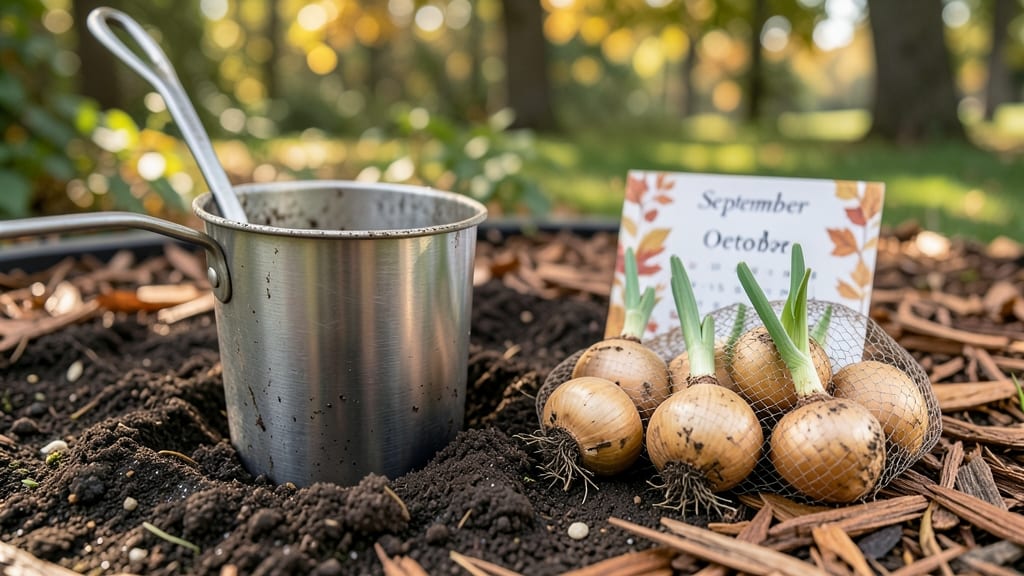
Planting tulips in Georgia isn’t just about grabbing bulbs and sticking them in the ground—it’s about matching varieties to chill-hours to guarantee those perfect spring blooms.
With Georgia’s mild winters, timing is everything: plant too early, and you risk early sprouting; too late, and the bulbs won’t get enough cold exposure to bloom.
Most gardeners in 7b-8b zones should aim for October to November, but not all tulips thrive equally here. Some varieties need 1,200+ chill-hours, while others adapt to Georgia’s shorter winters.
I’ll show you how to pick the right types and adjust your schedule for reliable results—no floppy stems or missed blooms.
If you’ve ever wondered why your tulips failed to bloom despite your best efforts, the answer likely lies in their chill requirements. The key is planting bulbs 4-6 weeks before the ground freezes, typically by mid-November in most of Georgia.
Let’s break down the best varieties and strategies to make sure your garden bursts into color come April.
From soil prep to frost timing, I’ll cover everything you need to know to turn your yard into a tulip paradise. Whether you’re a first-time planter or a seasoned gardener, these insights will help you maximize your chances of stunning spring displays—without the guesswork.
Georgia tulip planting calendar: matching varieties to chill-hours for reliable blooms
Georgia’s mild winters make tulip planting a balancing act—too early, and bulbs may sprout before winter; too late, and they won’t get enough chill-hours (32°F–45°F) to bloom. Most tulips need 1,000–1,600 chill-hours, but Georgia’s USDA Zones 7b–8b often fall short.
The key? Planting at the right time and choosing varieties that match your local chill-hour totals.
Northern Georgia (e.g., Blue Ridge Mountains) typically hits 1,200–1,500 chill-hours, while southern areas (e.g., Atlanta metro) may only reach 800–1,200 hours. This means Darwin Hybrid tulips (1,500+ hours) might flop in Macon, while Fosteriana (800–1,000 hours) thrives in Savannah.
Let’s break down the best planting windows and varieties for your zone.
📅 Planting Timeline for Georgia:
- North Georgia (Zones 7b): October 15–November 15 (longer chill period)
- Central Georgia (Zone 7b/8a): November 1–November 30 (shorter window)
- South Georgia (Zone 8b): December 1–January 15 (riskier, but possible with mulch)
For reliable blooms, plant bulbs 6–8 inches deep and 4–6 inches apart in well-draining soil. In southern Georgia, where winters are shortest, consider pre-chilling bulbs (store them in a fridge for 8–10 weeks before planting) or growing them in containers for easier winter protection.
Mulch heavily after planting to insulate bulbs from temperature swings.
If you’re in Zone 8b, avoid planting before December 1—early planting can cause bulbs to sprout and die in unseasonable warmth. Instead, wait until after the first frost (usually mid-November) to ensure bulbs stay dormant until winter sets in.
This is especially critical for Darwin Hybrids, which are prone to early sprouting in warm soils.
Pro tip: Use a soil thermometer to monitor temperatures. Tulip bulbs need consistent cold (below 40°F) for at least 6–8 weeks. If your winter thaws early, extend chill-hours by covering beds with straw mulch (4–6 inches) or a lightweight frost blanket. Remove it once temperatures drop again.
Once planted, water deeply after planting and avoid fertilizing until spring. Tulips are perennial in Georgia, but they may decline after 2–3 years due to heat stress. Dig up and divide bulbs every 3–4 years to rejuvenate blooms.
For container gardening, use a fast-draining mix (e.g., 50% potting soil, 50% perlite) and plant bulbs in late November to delay sprouting.
Remember: Early planting = more chill-hours, but late planting = fewer risks of early sprouting. Strike the balance by planting when your soil temperature drops to 60°F or below—usually late October in the north and early December in the south.
With the right timing, you’ll enjoy bold tulip blooms that outshine even Georgia’s azalea season! 🌷
How to adjust planting time for Georgia’s unpredictable winters: tips for success
Georgia’s mild winters throw a wrench into traditional tulip planting schedules. While most gardeners aim for October to November, our unpredictable frost dates and early thaws demand flexibility.
If you’ve ever planted bulbs only to see them sprout too soon or fail to bloom, you’re not alone—this is a common challenge in USDA Zones 7b-8b. The key lies in adjusting timing, extending chill-hours, and choosing the right microclimates.
For reliable blooms, I recommend planting 4-6 weeks before the first hard frost, typically by mid-November in most of Georgia. However, if your area experiences early thaws or warm spells, you may need to plant earlier or use strategies to extend the cold period.
Urban gardeners in Atlanta’s heat islands face additional challenges, but container gardening offers solutions we’ll explore later.
Here’s the critical adjustment: if your tulips need 1,200+ chill-hours (common for many varieties), but your winter only provides 800-1,000 hours, you’ll need to extend the cold exposure.
This is where mulching, shade cloth, and strategic planting locations become game-changers. Let’s dive into the practical steps to make this work in your garden.
⚠️ Warning: Planting Too Late in Georgia
If you wait until December to plant tulips in Georgia, your bulbs may not get enough cold exposure to bloom. The critical window is October 15–November 15, but adjust based on your last frost date. Use a soil thermometer to confirm when temps consistently drop below 50°F—this is your cue to plant.
🌡️ Pro Tip: In Zone 8a (southern GA), plant by October 15; in Zone 7b (north GA), you have until November 1.
To extend chill-hours, start with a 4-inch layer of mulch (straw or shredded leaves) after planting. This insulates the soil and helps maintain cooler temperatures.
For urban gardeners in Atlanta’s heat islands, where pavement retains heat, consider planting tulips in elevated containers filled with a mix of potting soil and perlite. This improves drainage and allows you to move pots to shadier spots during warm spells.
Shade cloth is another trick up your sleeve. If your garden experiences unseasonable warmth in late winter, drape 30-50% shade cloth over newly sprouted tulips to slow growth until temperatures drop again.
This mimics the extended chill period tulips crave. Pair this with a north-facing location for your garden bed—these spots receive less direct sunlight and stay cooler longer.
For container gardeners, choose deeper pots (12+ inches) to accommodate tulip bulbs and their roots. Fill the bottom third with gravel or perlite for drainage, then add a high-quality bulb mix.
After planting, place containers in a spot that gets full sun (6+ hours) but is sheltered from afternoon winds. In Atlanta’s urban heat, this might mean positioning them near foundation plantings or under deciduous trees that lose leaves in winter.
Finally, monitor your garden closely. If tulips begin sprouting in February (a sign of insufficient chill-hours), cover them with lightweight row fabric to delay blooming until spring. This simple step can buy you an extra 2-4 weeks of cold exposure, often enough to trigger proper flower formation.
With these adjustments, you’ll transform Georgia’s unpredictable winters into the perfect backdrop for stunning tulip displays.