
Plants
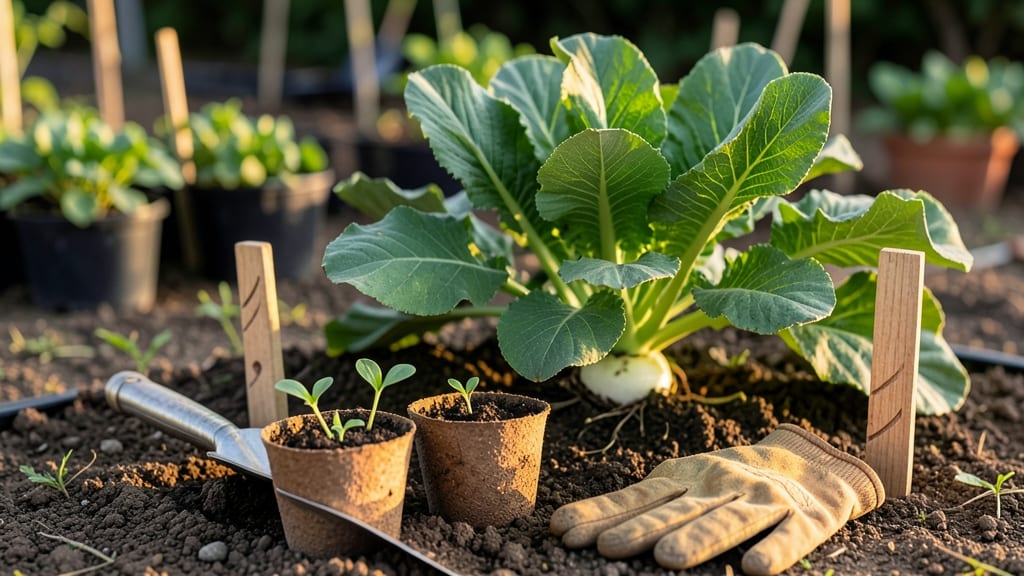
Planting turnip greens 🥬 at the wrong time in Tennessee means missing out on those rich, nutrient-packed harvests that make Southern gardens famous.
Timing these cool-season greens correctly is the key to tender leaves and robust growth. In USDA zones 6a-7b, your window opens in March-April for spring and August-September for fall, but local frost dates can shift that by weeks.
Whether you're a seasoned gardener or just starting, getting the timing right ensures you avoid bitter flavors and stunted plants. I'll show you exactly when to plant for maximum yield, plus how to extend your harvest season.
Let's break down the perfect planting schedule so you can enjoy fresh turnip greens from May through November—no guesswork required.
Tennessee’s frost-free planting zones for turnip greens by county
Turnip greens (Brassica rapa) are a Southern garden favorite, but their optimal planting windows vary dramatically across Tennessee’s USDA Hardiness Zones 5a-7b.
The state’s last frost dates range from early March in the western mountains to late April in the Mid-Cumberland Plateau, while first frost arrives as early as mid-October in the Appalachian foothills or as late as November in the Tennessee Valley.
To maximize your harvest yield, align planting with local frost-free periods. Spring plantings should occur 4-6 weeks before your area’s last frost date, while fall plantings thrive when sown 6-8 weeks before the first frost.
This timing ensures tender, non-bitter leaves and avoids the bolting risk of heat stress.
Here’s how to match your county’s microclimate with the perfect planting schedule for year-round turnip greens:
For year-round harvests, Tennessee gardeners can use succession planting. Start with late winter sowings (February) in Zone 7b counties, then follow with spring and fall plantings every 2-3 weeks until mid-September. This staggered approach ensures a continuous supply of tender greens from April through November.
In higher-elevation counties like Sullivan or Unicoi, consider row covers to extend the growing season into late fall. These lightweight fabrics protect young plants from light frosts (down to 25°F) and can push harvests into December if removed during the day for sunlight.
Soil temperature plays a critical role in germination. Turnip greens prefer soil temps between 50°F–75°F.
Step-by-step planting schedule for maximum yield in Tennessee
Turnip greens are a cool-season crop that thrive in Tennessee’s mild fall and spring temperatures. To maximize your harvest, I’ve designed a succession planting schedule that ensures fresh greens from September through April.
The key is timing—plant at the right intervals to avoid bolting or frost damage while keeping your garden productive year-round.
Start by preparing your soil with compost and a balanced fertilizer (10-10-10). Turnip greens prefer well-draining, slightly acidic soil (pH 6.0–6.8). If your soil is heavy clay, amend it with sand or organic matter to improve drainage.
This step is critical—poor soil leads to stunted growth and bitter leaves, no matter how well you time your planting.
🌱 Turnip Greens Planting Schedule for Tennessee
- 1 Early Fall Planting (Late August) – Sow seeds 6-8 weeks before first frost (mid-October in most of TN). This ensures mature greens before winter sets in. Use row covers if frost threatens early.
- 2 Mid-Fall Succession (Late September) – Plant another batch 4-6 weeks before frost for a second harvest. This staggering extends your greens supply into November or December in warmer microclimates (e.g., Nashville, Chattanooga).
- 3 Late Winter Planting (Early February) – For spring harvests, sow seeds 6-8 weeks before last frost (mid-April). Use cold frames or row covers to protect seedlings from late frosts.
- 4 Spring Succession (Mid-March) – Plant a final batch 4-6 weeks before last frost for a late spring harvest. Thin seedlings to 4-6 inches apart to prevent overcrowding, which leads to leggy, bitter greens.
- 5 Ongoing Maintenance – Harvest outer leaves first to encourage regrowth. Mulch with straw or leaves to retain moisture and suppress weeds. Water deeply in the morning to prevent fungal diseases like downy mildew.
Spacing is everything with turnip greens. Plant seeds ½ inch deep and 1 inch apart in rows 12–18 inches apart. Thin seedlings to 4–6 inches apart once they’re 2 inches tall.
Overcrowding stresses plants, leading to bolting (flowering) or bitter leaves. If you notice plants flowering prematurely, harvest immediately—they’ll become tough and woody.
To extend your harvest, try succession planting every 2 weeks in fall and spring. For example, if your first fall planting is in late August, follow up with batches in mid-September and early October.
This ensures a continuous supply of tender greens until winter. In warmer counties (USDA 7b+), like Memphis or Knoxville, you can even plant a light winter crop under row covers for early spring harvests.
Protect your turnip greens from pests like flea beetles and diseases like clubroot by rotating crops annually. Avoid planting brassicas (like cabbage or broccoli) in the same spot two years in a row. If pests strike, use neem oil or insecticidal soap—they’re effective and safe for edible greens.
With this schedule, you’ll enjoy homegrown turnip greens for months, just like your grandma used to grow! 🥬