
Plants
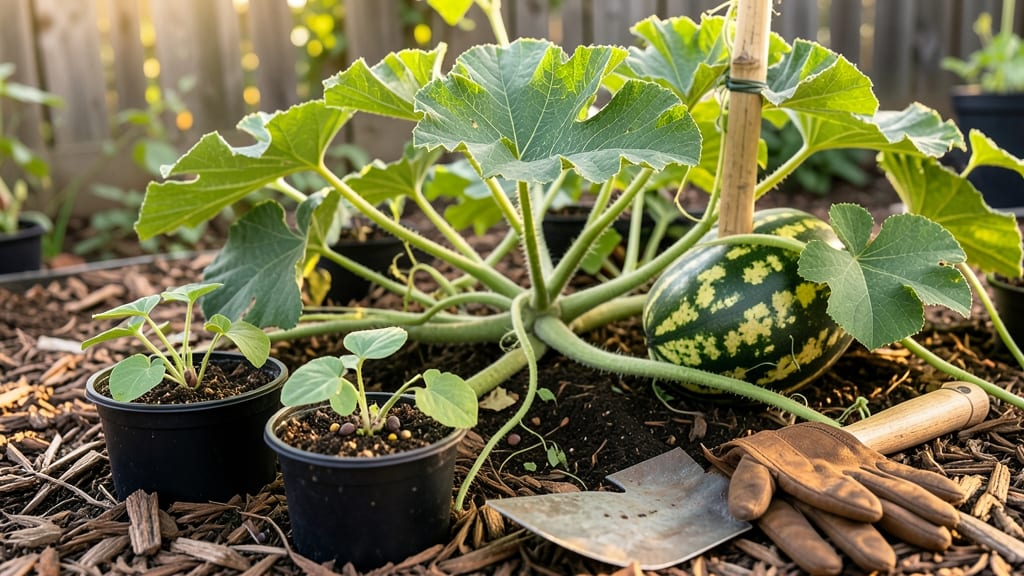
Planting watermelon in North Carolina at the wrong time can mean the difference between a bountiful harvest and wasted effort.
The perfect window opens after the last frost—typically between April 15 and May 15—when soil temperatures hit at least 70°F and the air warms enough to support those sprawling vines.
Why does timing matter so much? In USDA Zones 7a-8b, a late frost can kill tender seedlings overnight, while planting too late cuts your harvest short before summer’s heat peaks.
Whether you’re in the humid coastal plains or the drier Piedmont, knowing your local frost dates ensures your 🍉 watermelons thrive—not just survive.
I’ll break down the exact dates by region, from the Outer Banks to the Appalachian foothills, so you can plant with confidence. Plus, I’ll share pro tips to extend your growing season, whether you’re direct-sowing seeds or using transplants.
Ready to grow watermelons that rival the ones at the farmers’ market? Let’s get your planting schedule locked in for a sweet, frost-free summer.
North Carolina watermelon planting dates by county: frost-free zones and ideal timelines
North Carolina’s diverse climate—from coastal humidity to mountain valleys—means watermelon planting dates vary dramatically by county. To avoid frost damage and ensure sweet, ripe fruit, you’ll need to align your planting with local frost-free zones and soil temperature thresholds of at least 75°F (24°C).
Most NC counties fall within USDA Zones 6b-8a, but microclimates create exceptions. Let’s break down the ideal planting windows for your region.
Watermelons thrive with 90-100 frost-free days to mature, so timing is critical. In Western NC (Zone 6b-7a), like Asheville or Boone, you’ll plant later than in Eastern NC (Zone 8a), such as Wilmington or Fayetteville.
Below, I’ve organized planting dates by county clusters, including early, mid, and late-season strategies to maximize your harvest.
Pro Tip: Use a soil thermometer to confirm 75°F+ soil temps before planting—this ensures faster germination and stronger vines. If your soil is too cool, consider using black plastic mulch to warm it up 2-3 weeks earlier.
| County Cluster | USDA Zone | Last Frost Date | Optimal Planting Window | Harvest Window | Notes |
|---|---|---|---|---|---|
| Coastal (e.g., Dare, Craven, Brunswick) | 8a | March 15 | April 1 - April 15 | June 15 - August 15 | Humidity risk; use raised beds |
| Piedmont (e.g., Wake, Mecklenburg, Guilford) | 7b-8a | March 20 - April 1 | April 15 - May 1 | July 1 - September 1 | Ideal for fast varieties like 'Sugar Baby' |
| Mountains (e.g., Haywood, Buncombe, Henderson) | 6b-7a | April 15 - May 1 | May 15 - June 1 | August 1 - September 15 | Use row covers for early starts |
| Sandhills (e.g., Richmond, Scotland) | 7b | March 25 | April 10 - April 25 | June 20 - August 20 | Well-draining soil; avoid waterlogging |
| Tidewater (e.g., Camden, Pasquotank) | 8a | March 10 | March 25 - April 10 | May 30 - July 30 | Extend season with shade cloth |
For coastal counties like Dare or Brunswick, you can start as early as late March thanks to warmer soil and longer growing seasons.
These areas often see 100+ frost-free days, allowing for two planting cycles: an early batch in April and a late batch in June for a fall harvest. Just watch for powdery mildew in humid conditions—space vines
How to adjust watermelon planting for North Carolina’s microclimates: coastal vs. Piedmont vs. mountain regions
North Carolina’s diverse landscapes create three distinct microclimates for watermelon growing: the humid coastal plains, the hot Piedmont region, and the cooler mountain foothills. Each requires unique timing and care to ensure healthy vines and sweet fruit.
Coastal areas like Wilmington can start 2-3 weeks earlier than mountain regions like Asheville, where late frosts linger until mid-April. Understanding these differences means the difference between a bountiful harvest and wasted seeds.
For coastal North Carolina, think of the Outer Banks and Crystal Coast as your early-planting zone. The warmer soil temperatures and longer growing season let you sow seeds as early as mid-April, but only if nighttime temperatures stay above 55°F.
In contrast, Piedmont counties like Raleigh and Greensboro experience hotter days and cooler nights, making late April to early May the sweet spot for planting. Meanwhile, mountain gardeners in the Blue Ridge should wait until mid-May when soil warms to 70°F+ consistently.
Soil preparation varies dramatically across these regions. Coastal areas benefit from sandy soil amendments like composted pine needles to retain moisture, while Piedmont gardens thrive with well-draining loam mixed with aged manure. Mountain soils often need organic matter additions to improve fertility. Test your soil’s pH—watermelons prefer 6.0-6.8—and adjust with lime or sulfur before planting.
If you’re in a cooler mountain region, consider using black plastic mulch to warm soil faster—this can shave off 2-3 weeks from your growing season. For Piedmont gardeners, focus on heat-tolerant varieties like ‘Crimson Sweet’ or ‘Charleston Gray’, which handle the region’s 90°F+ days better than others.
Coastal growers should prioritize disease-resistant seeds due to higher humidity levels that encourage fungal issues.
For all regions, transplanting seedlings instead of direct sowing can extend your growing season by 10-14 days. Start seeds indoors 3-4 weeks before your region’s last frost date, using biodegradable pots to avoid root disturbance.
Harden off seedlings for 7-10 days before transplanting, and always plant in the late afternoon to reduce transplant shock.
Remember, watermelons need warmth—they won’t thrive if soil stays below 70°F. Use a soil thermometer to monitor temperatures, and consider season extenders like cold frames for mountain areas.
With these regional adjustments, you’ll be slicing into homegrown watermelons from July through September, no matter where you garden in North Carolina 🍉.