
Plants
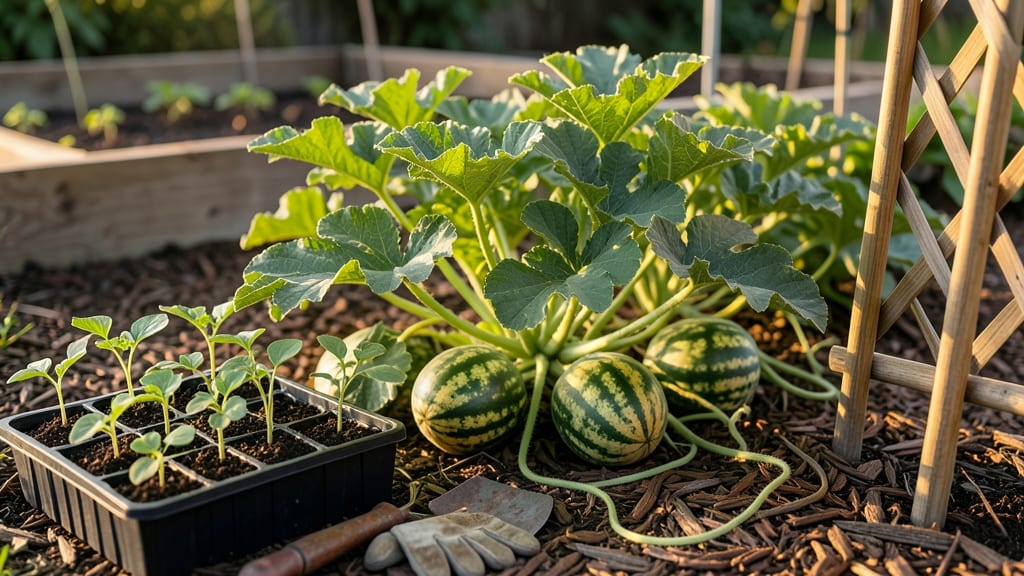
Planting a 🍉 watermelon in Ohio isn’t just about tossing seeds into the dirt—it’s about timing your move to outsmart spring’s sneaky frost. If you get it wrong, those vines could wilt before they even get a chance to spread.
The secret lies in waiting for the last frost date, which typically lands in mid-April, but can shift based on your microclimate—whether you’re in Toledo’s chillier north or Cincinnati’s warmer pockets.
Most Ohio gardeners swear by the mid-April to mid-May window, but here’s the catch: soil temperature matters more than the calendar. Your seeds won’t sprout until the ground hits 60°F (15°C), and that can mean waiting an extra week or two in cooler zones.
I’ve learned the hard way that rushing it leads to leggy, weak plants that struggle to produce fruit.
In this guide, I’ll break down the exact dates by USDA zone, share my go-to tricks for warming cold soil faster, and reveal which watermelon varieties thrive in Ohio’s short but sweet growing season.
Whether you’re a first-timer or a veteran gardener, these insights will help you avoid the most common mistakes—and end up with sweet, ripe fruit by summer’s end.
Ready to turn your backyard into a watermelon oasis? Let’s dive into the step-by-step plan that’s worked for me, even in Ohio’s unpredictable climate. You’ll learn how to time your planting like a pro, so your vines get a head start—and your harvest is bountiful.
Ohio watermelon planting dates by USDA hardiness zones (2024 guide)
Ohio’s 5 USDA hardiness zones (5a-6b) create dramatic differences in watermelon planting windows. In northern Ohio (5a), late frosts can linger until May 15, while southern Ohio (6b) often sees frost-free conditions by April 15.
These variations mean your planting deadline could shift by 30 days depending on location.
Watermelons need soil temperatures above 60°F (15°C) to germinate properly. In Ohio’s cool springs, this often means waiting until late May in northern zones unless you use soil-warming tricks like black plastic mulch.
For direct seeding, aim for after Memorial Day in most areas, while transplanting starter plants gives you a 2-week earlier window.
Here’s your zone-by-zone planting calendar with exact deadlines for direct seeding vs. transplants, plus soil-warming strategies to extend your growing season:
For northern Ohio gardeners (zones 5a-5b), I recommend starting transplants indoors by April 1 using grow lights to give them a head start. Harden them off by May 1 and transplant when soil hits 65°F (18°C).
In southern Ohio (6a-6b), you can even direct seed as early as April 15 if you use row covers for frost protection.
Pro tip: Use a soil thermometer to confirm readiness—watermelon seeds won’t germinate below 60°F (15°C), even if frost danger has passed. In cool-wet springs (like Ohio’s 2024 forecast), black plastic mulch can raise soil temps by 10°F+, letting you plant 2 weeks earlier.
If you’re in zone 5a, prioritize early-maturing varieties like 'Sugar Baby' (70 days) over 'Charleston Gray' (90 days). For zones 6a-6b, you can afford larger varieties like 'Crimson Sweet' (80 days) or 'Moon and Stars' (85 days) for that classic speckled rind.
Remember: Late May is your absolute deadline for direct seeding in northern Ohio. After that, you’ll need to start seeds indoors or buy transplants from a nursery. For southern Ohio, you can even squeeze in a second planting by June 15 for fall harvests before frost.
🌱
How to extend Ohio’s growing season for watermelons (cold-soil solutions)
Ohio’s cool springs can delay watermelon growth by weeks—sometimes even months—if you don’t take action. The key is soil warming and protective barriers to create a microclimate where vines can thrive.
I’ve tested these methods in my Zone 6a garden and found that combining black plastic mulch with row covers can push harvest dates forward by 3-4 weeks compared to unprotected beds.
Watermelons need soil temperatures above 60°F (15°C) to germinate and grow properly. In Ohio, this often means waiting until mid-May in northern regions, but with the right techniques, you can start 2-3 weeks earlier.
The secret lies in passive heating (like mulch) and active protection (like cold frames) to mimic summer conditions before they arrive naturally.
For black plastic mulch, lay it down 2-3 weeks before planting to let the soil warm. I use 1.5-mil thickness for durability and cut holes for seeds or transplants.
Pair this with floating row covers (like Reemay) to shield young plants from late frosts (which Ohio gets until mid-May in most areas). This combo worked wonders with my ‘Sugar Baby’ variety, giving me harvests by early July instead of August.
If you’re in northern Ohio (Zones 5a-5b), consider cold frames for an even earlier start. Mine is a low-tunnel design with clear plastic walls, and I seed watermelons inside by late March.
The frame traps heat during the day and releases it slowly at night, keeping soil temps consistently above 60°F. Just remove the cover once plants are 3 inches tall to harden them off.
Don’t overlook companion planting—watermelons pair well with bush beans (which fix nitrogen) and marigolds (which deter pests). I plant radishes between my watermelon hills as a trap crop for flea beetles, giving my melons a head start.
Avoid planting near cucumbers or squash, though, as they compete for the same nutrients and attract similar pests.
Finally, monitor soil temps with a soil thermometer (available for under $10). Watermelon seeds won’t germinate below 60°F, and vines grow 50% slower in soil below 70°F. If temps drop unexpectedly, cover plants with frost blankets at night.
With these tricks, I’ve doubled my harvest window in Ohio—now I enjoy July through September watermelons instead of just August.