
Plants
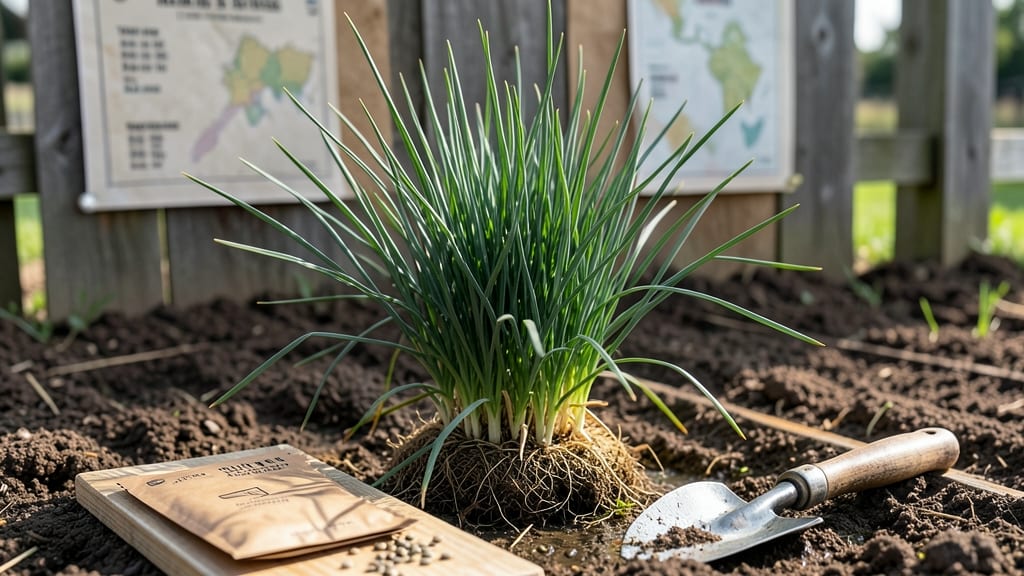
Planting winter rye 🌾 at the wrong time in Texas can mean wasted seeds—or worse, a failed cover crop that leaves your soil exposed to erosion. The key to success lies in understanding your region’s unique climate, because what works in North Texas might fail spectacularly in South Texas.
If you’re in 8a-10b zones, timing isn’t just about months—it’s about avoiding both early frost and scorching summer heat. In North Texas, you’ve got just a few weeks between September and November to get seeds in the ground before winter sets in.
Meanwhile, gardeners in Central and South Texas can stretch their window until December, thanks to milder winters.
But here’s the catch: planting too early in South Texas risks seeds rotting in the heat, while waiting too long in North Texas means your cover crop won’t establish strong roots before winter dormancy.
I’ll show you exactly how to nail those deadlines—and why soil temperature matters more than the calendar.
Whether you’re a first-time gardener or a seasoned pro, these Texas-specific insights will help you grow a thriving winter rye cover crop that protects your soil, improves fertility, and sets you up for a better growing season next year.
Texas winter rye planting deadlines by region (north vs south)
If you’ve ever wondered why your winter rye seeds failed to sprout in Texas, the answer likely lies in regional planting deadlines. North Texas’ colder winters allow for earlier sowing than South Texas’ milder climate, where summer heat can stress young plants.
Missing these windows means poor establishment—or worse, wasted seed. Let’s break down the exact frost-free planting windows for each region to ensure your cover crop thrives.
For North Texas (Dallas/Fort Worth), the ideal planting window spans from mid-September to early November. This timing gives winter rye enough time to establish roots before the first frost, typically around December 1.
Planting too early (before September) risks seed rot from lingering summer heat, while waiting until December leaves your soil vulnerable to erosion over winter.
In South Texas (San Antonio/Houston), the window shifts later due to milder winters. Aim for late October to mid-December, with the last chance to plant by December 15 to avoid summer heat stress.
South Texas’ warmer microclimates mean seeds can rot if planted too early, so patience is key. Always check your local USDA Zone (8a-10b) for precise adjustments.
Your soil temperature is the ultimate deciding factor. Winter rye seeds germinate best when soil reaches 60-70°F in North Texas and 70-80°F in South Texas.
Use a soil thermometer to confirm readiness—planting too early in hot soil leads to seed rot, while waiting too long risks poor establishment before winter sets in. For North Texas, aim for late September when daytime highs dip below 85°F.
South Texas gardeners should wait until late October to avoid summer heat stress. The Rio Grande Valley (Zone 10b) can plant as late as mid-November, but even here, soil must cool to 75°F or lower.
Pro tip: Mulch lightly after planting to help soil cool faster and retain moisture during Texas’ unpredictable fall rains.
Don’t overlook microclimates—urban areas like Dallas’ downtown can be 5-10°F warmer than rural zones, delaying frost by weeks. If you’re in a heat island, push your planting date 2-3 weeks later than the regional average.
Conversely, higher elevations (e.g., Hill Country) may experience frost earlier, so plant 4-6 weeks before your local first frost date.
For last-chance plantings, North Texas can stretch to November 15, while South Texas’ cutoff is December 15. Beyond these dates, winter rye struggles to establish before winter dormancy begins.
If you miss the window, consider clover or winter wheat as alternatives—they tolerate later plantings better in Texas’ variable climate.
Once planted, winter rye thrives in Texas’ cool-season conditions, suppressing weeds and improving soil structure. But timing is everything: Plant too early and seeds rot; plant too late and your cover crop fails. Use these deadlines as your guide, and your soil (and future gardens) will thank you.
🌾
Key factors that determine your planting date (beyond the calendar)
Your winter rye 🌾 planting success in Texas depends on more than just checking a calendar. While September to November is the general window, soil temperature is the real game-changer.
Seeds need soil at least 50°F (10°C) to germinate, but cooler temperatures (60-70°F) encourage deeper root growth before winter dormancy.
In North Texas, where first frost can arrive as early as December 1, you’ve got just 4-6 weeks to establish roots.
Meanwhile, South Texas gardeners can push planting until December 15 thanks to milder winters—but wait too long, and your cover crop may struggle to mature before summer heat returns.
Rainfall patterns also shift your timeline. In drought-prone West Texas, I recommend planting in September to capture early fall rains, while East Texas’ wetter climate allows for later October-November plantings. Always aim for 1-1.5 inches of water weekly during establishment.
Don’t overlook microclimates either. Urban heat islands in Dallas or Houston can make soil 10°F warmer than rural areas, pushing your ideal window 2-3 weeks earlier. Check your specific zone using the USDA Plant Hardiness Map—even neighboring counties can have different frost dates.
Here’s how these factors interact in real Texas conditions:
| Factor | North Texas (8a) | Central Texas (8b) | South Texas (9a-10b) |
|---|---|---|---|
| Soil Temp for Planting | 55-65°F (13-18°C) | 60-70°F (15-21°C) | 65-75°F (18-24°C) |
| Ideal Planting Window | Sept 15 - Oct 31 | Sept 30 - Nov 15 | Oct 15 - Dec 15 |
| Rainfall Needs | 1-1.5" weekly | 1-2" weekly | 1-2" biweekly |
| Microclimate Adjustment | Plant 2 weeks early in urban areas | Plant 1 week early in cities | Plant 1 week later in rural areas |
| Critical Deadline | 4 weeks before first frost | 5 weeks before first frost | 6 weeks before summer heat |
For North Texas, I recommend using a soil thermometer to confirm temperatures before planting—wait until soil warms to 60°F for reliable germination. In South Texas, avoid planting before October 15 to prevent seed rot from summer heat.
Pro tip: If your area experiences unpredictable frost, consider using row covers to extend your planting window by 2-3 weeks. This gives winter rye extra time to establish before winter dormancy sets in.
Remember, the goal is to have your cover crop reach 12-18 inches tall before winter—this ensures it’ll smother weeds and protect your soil from erosion when spring arrives.
Adjust your timing based on these factors, and you’ll have a thriving winter rye cover crop ready to work for your garden next year. 🌱