
Plants
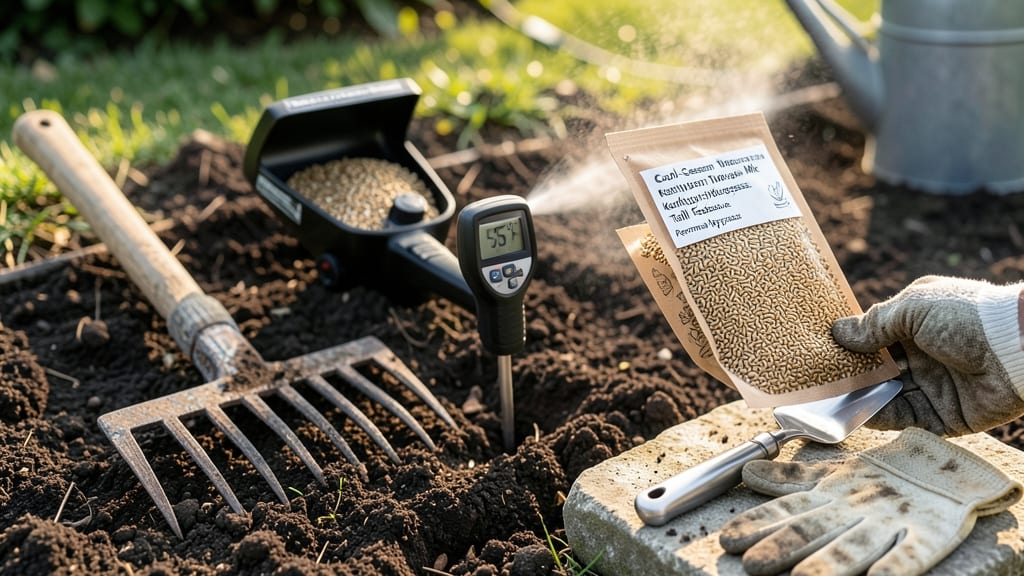
Planting grass seed at the wrong time in spring can leave you staring at bare patches all summer—so knowing the perfect window makes all the difference. The key isn’t just waiting for warm weather; it’s about soil temperature and frost-free conditions that create ideal germination.
In Zone 6 (like most of the Midwest), that means aiming for April to early May, when the ground warms to 55-65°F and the last frost has passed.
Most gardeners rush to plant as soon as spring arrives, but cool soil and lingering frost can actually kill your seeds before they sprout. The secret?
Wait until the ground stays consistently above 50°F at a depth of 4 inches—this ensures your grass seed wakes up fast and grows strong, not weak. For cool-season grasses (like Kentucky bluegrass or fescue), this timing is critical for fast, even coverage.
If you’re in a warmer climate (like the South), you might plant as early as February or March, but northern zones should hold off until late April or May.
The goal is to give your grass seed 4-6 weeks of growing time before summer heat arrives—any earlier, and frost can wipe out your progress. Let’s break down the exact steps to time it right and avoid common mistakes.
Ready to transform your lawn? I’ll walk you through soil prep, watering schedules, and regional tweaks so you can germinate seeds faster and enjoy that lush green carpet by summer. No guesswork—just science-backed timing for a lawn you’ll be proud of.
Spring grass seed planting timeline: soil temperature & frost-free rules
Getting your grass seed in the ground at the right time is everything—plant too early and frost will kill your seedlings, too late and summer heat stresses them. The perfect window depends on two critical factors: soil temperature and frost-free dates.
For cool-season grasses like Kentucky bluegrass or fescue, aim for soil temps between 50-65°F, while warm-season varieties like Bermuda or Zoysia need 65-75°F to germinate properly. Let’s break down the exact timing for your region.
Most gardeners wait until 4-6 weeks after the last frost to plant, but this varies wildly by USDA zone. In Zone 3-5, that might mean early May, while Zone 7-10 could start as early as February.
The key is monitoring soil—not air—temperature, since cool mornings can fool you. Use a soil thermometer to confirm before sowing.
Here’s your regional planting timeline based on frost-free dates and soil warmth. Bookmark this for your zone to avoid common mistakes like overwatering cold soil or planting when summer heat is approaching.
If you’re in Zone 3-5, hold off until late April or early May—planting in March risks frost damage, even if soil feels warm. In Zones 6-7, early April is ideal for cool-season grasses, but switch to warm-season varieties by late spring if you’re overseeding.
For southern zones (8-11), plant warm-season grasses in late winter to avoid summer dormancy.
Pro tip: Check your local cooperative extension service for hyper-local frost data—microclimates can shift planting windows by 2-3 weeks. For example, mountainous areas in Zone 6 may need to wait until June, while valleys can start in April. Always prioritize soil temperature over calendar dates.
Once you’ve nailed the timing, prep your soil by raking out debris and loosening the top 2-3 inches to improve seed-to-soil contact. A light starter fertilizer (high in phosphorus) at planting helps roots establish faster.
Water lightly but frequently—keep the top inch of soil moist until germination (usually 7-21 days depending on the grass type).
For overseeding existing lawns, mow shorter than usual (1-1.5 inches) 1-2 days before planting to create space for new seeds. Avoid heavy foot traffic on fresh seed for at least 2 weeks—it’s the most fragile stage.
If you’re planting in late spring (May-June), use a shade cloth to protect seedlings from intense afternoon sun.
Remember: Cool-season grasses thrive in spring and fall, while warm-season grasses prefer summer planting. Mixing the two in the same lawn often leads to patchy results. Stick to one type per season for the most consistent germination. With the right timing, you’ll see 50-70% germination in just
How to prepare your lawn for fast germination after planting
Once you’ve picked the perfect spring planting window, the real work begins—preparing your lawn for fast, even germination. Skipping these steps can leave your seeds struggling against compacted soil or nutrient deficiencies, slowing down growth by weeks.
Start by clearing debris like leaves and rocks, which can block sunlight and moisture from reaching seeds. A clean seedbed ensures your grass has direct contact with the soil, where it can absorb water and nutrients efficiently.
Next, test your soil’s pH level—most grasses thrive in a neutral to slightly acidic range (6.0–7.0). If your soil is too alkaline (above 7.0), add sulfur or peat moss to lower the pH. For acidic soil (below 6.0), sprinkle lime evenly and water it in.
A simple soil test kit (available at garden centers) takes just 10 minutes and saves you from guessing. Ideal soil pH speeds up germination by up to 30%, so don’t skip this step.
- 🌱 Test soil pH (aim for 6.0–7.0) using a test kit.
- 🔧 Adjust pH with lime (for acidic soil) or sulfur (for alkaline soil).
- 🪴 Loosen compacted soil with a rake or aerator to 2–3 inches deep.
- 💧 Water deeply the day before planting to settle the soil.
- 🌿 Spread a thin layer of compost (¼ inch) for nutrients.
- ✂️ Mow existing grass low (if overseeding) to create space for new seeds.
- 🌡️ Monitor soil temperature—wait until it’s 55–65°F at 4 inches deep.
After adjusting the pH, aerate your lawn to break up compacted soil—this is especially critical if your yard sees heavy foot traffic. Rent a core aerator or use a manual spike aerator for small areas. Aim for holes spaced 2–3 inches apart to let roots penetrate deeply.
Once aerated, spread a thin layer of compost (about ¼ inch) to add organic matter and nutrients. Avoid piling compost too thickly, or it can suffocate seeds.
On the day you plant, water the soil deeply the night before to ensure moisture reaches the root zone. This step prevents seeds from drying out during the first critical 24–48 hours after planting.
Use a sprinkler with fine mist to avoid washing seeds away, and keep the soil consistently moist (not soggy) for the first 2–3 weeks. A light mulch of straw (¼ inch) can help retain moisture and protect seeds from birds or wind.
Post-planting, avoid walking on the lawn for at least 2 weeks to prevent disturbing seeds. If you’re overseeding an existing lawn, use a slotted spreader for even coverage, and apply half the recommended seed rate in two directions (north-south and east-west).
For new lawns, spread seeds evenly by hand or with a broadcast spreader, then lightly rake to press them into the soil without burying them.
Finally, fertilize lightly after germination (when grass is 2–3 inches tall) with a starter fertilizer high in phosphorus (e.g., 10-20-10 ratio). This boosts root development without burning tender new shoots.
With these steps, your grass seeds will germinate in 7–21 days, depending on the variety and weather—giving you that lush, green lawn you’ve been dreaming of by summer. 🌱