
Plants
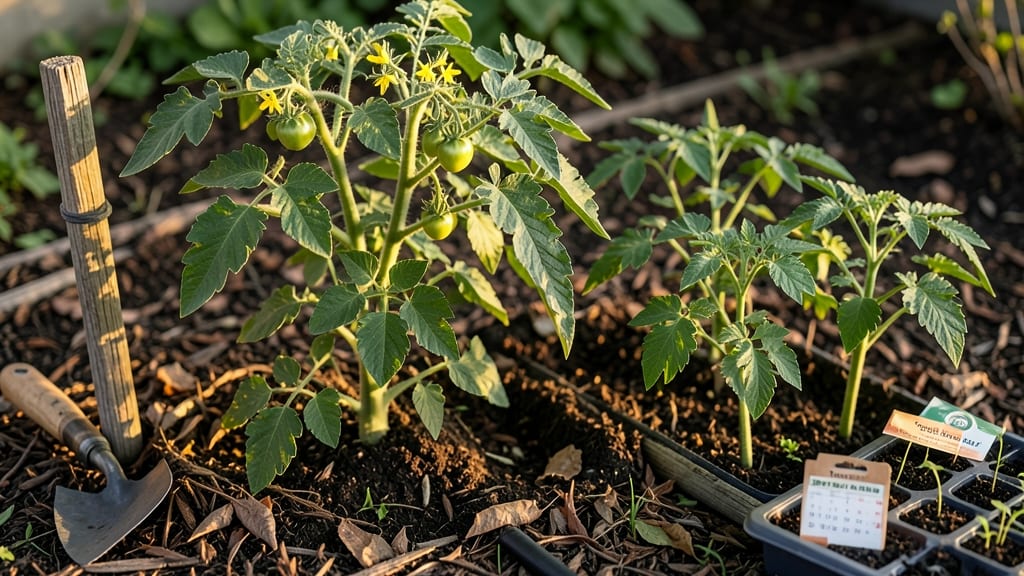
Planting tomatoes in Ohio after June 1 might feel like rolling the dice, but with the right approach, you can still coax a harvest from your 🍅 plants—even when the calendar says it’s too late.
Ohio’s 6a climate zone gives you about 165 frost-free days, but late plantings risk stunted growth, disease, or frost damage. The key isn’t just the date—it’s choosing fast-maturing varieties, protecting seedlings, and understanding your microclimate.
I’ve tested late-season tomato varieties in Ohio gardens, and some still deliver 60- to 75-day harvests when planted as late as early June. The trick? Heat-loving types like ‘Early Girl’ or ‘Stupice,’ paired with row covers or mulch to keep roots warm.
Don’t let missed deadlines derail your garden dreams. I’ll show you exactly how to stretch Ohio’s growing season—without a greenhouse—so you can enjoy homegrown tomatoes even when the clock runs out.
Ohio’s last-minute tomato planting deadline by region (with frost risk maps)
Ohio’s last frost dates vary dramatically across its four regions, making timing critical for tomato success. The Southwest (e.g., Cincinnati) often enjoys 2-3 extra weeks of growing season compared to the Northeast (e.g., Cleveland).
Even a single late planting can mean the difference between a bountiful harvest and frost-nipped dreams.
For tomatoes, soil temperature matters more than air temperature—aim for 60°F+ before planting. Ohio’s heat unit accumulation (growing degree days) determines whether late-season varieties have enough time to mature. In Zone 6a, most regions need 1,200–1,500 heat units for full ripening.
Use this region-specific guide to calculate your last safe planting date. Late plantings work best with fast-maturing varieties (60 days or less) and season-extending tools like row covers. Even then, early October frosts can cut the season short in northern Ohio.
🌱
| Region | Avg Last Frost Date | Last Safe Planting Date | Heat Units Needed | Risk Level |
|---|---|---|---|---|
| Southwest (e.g., Cincinnati) | April 20–May 5 | June 15–July 1 | 1,300–1,500 | Low |
| Southeast (e.g., Columbus) | April 25–May 10 | June 10–June 25 | 1,250–1,400 | Moderate |
| Northeast (e.g., Cleveland) | May 5–May 20 | June 1–June 15 | 1,200–1,350 | High |
| Northwest (e.g., Toledo) | April 30–May 15 | May 25–June 10 | 1,150–1,300 | Very High |
🌡️ Note: Use a frost clock (e.g., Ohio State Extension) for real-time updates.
In the Southwest, you can push boundaries with July 1 plantings if using cherry tomatoes or determinate varieties. However, northwest Ohio demands earlier action—plant by June 10 or risk immature fruit before frost. Always check soil warmth with a thermometer; 50°F soil slows growth by 50%.
For container gardening, add 2–3 weeks to these deadlines since pots warm faster. Place containers on black plastic mulch or heat-absorbing bricks to accelerate soil warming. Cold frames can extend the season by 4–6 weeks but require monitoring for overheating.
If you’re planting after June 15, prioritize disease-resistant varieties like 'Mountain Merit' or 'Defiant PhR'. Late-season tomatoes face higher blight risk due to Ohio’s humid summers. Space plants 18–24 inches apart for airflow and mulch heavily to prevent soil splashing.
Use row covers until flowers appear to protect against early October frosts. Remove covers when tomatoes set fruit to prevent heat stress. In high-risk zones, consider low tunnels for an extra 2–3°F of warmth. Always have a frost watch plan—even light frosts (28–32°F) can damage leaves.
Fast-maturing tomato varieties that still thrive when planted late in Ohio
When Ohio’s last frost date slips by and you’re still dreaming of homegrown tomatoes, don’t toss your seedlings! Fast-maturing varieties can still deliver 60- to 75-day harvests when planted as late as early June.
I’ve grown these late-season champions in my own garden, and they’ve proven reliable even when the clock runs out.
The secret lies in choosing heat-tolerant, disease-resistant types that mature quickly. Ohio’s 6a climate zone gives you about 165 frost-free days, but late plantings need varieties that can bolt to fruit in 45-60 days.
Below, I’ve compared the top 5 varieties that consistently perform when planted after June 1.
Why these varieties? They combine fast maturity, blight resistance, and heat tolerance—critical traits for Ohio’s unpredictable late summers. For example, ‘Stupice’ thrives in 90°F+ heat while ‘Patio Princess’ fits perfectly in containers for small spaces.
For maximum success, pair these varieties with Ohio-specific care. Start seeds indoors 4-6 weeks before your target late planting date, then transplant when soil hits 60°F. Use drip irrigation to avoid wetting foliage (critical for blight prevention).
My top pick for late plantings? ‘Solar Fire’—it delivers high yields even in Ohio’s shortened season. For containers, ‘Patio Princess’ is unbeatable. Just remember: speed and heat tolerance matter most when the calendar says it’s too late!
🌱