
Planting
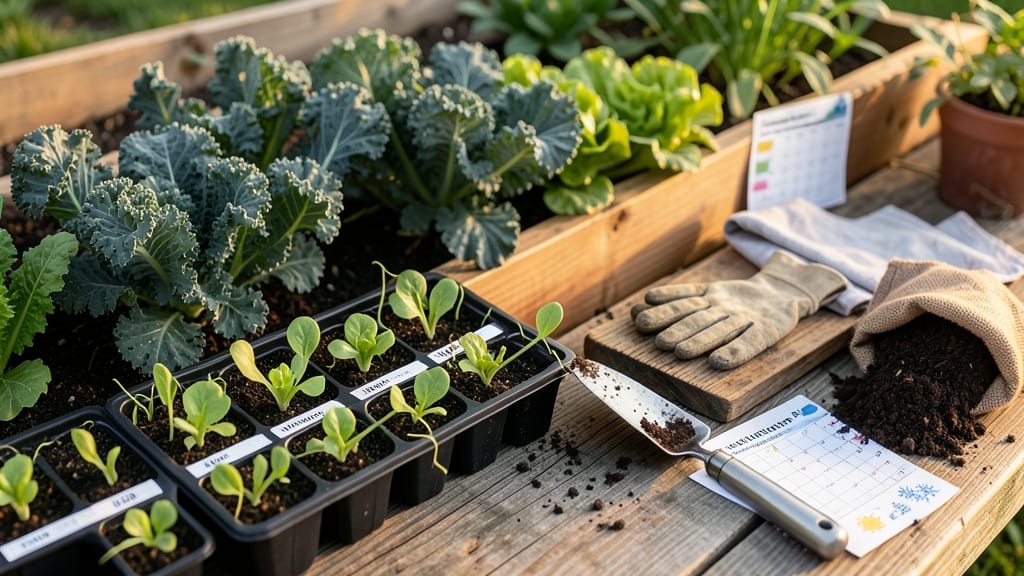
To plant a thriving garden in Michigan, timing is everything—and getting it wrong can mean wasted seeds or stunted growth. Whether you're a seasoned gardener or just starting out, knowing the ideal planting windows for your region makes all the difference.
The key isn't just waiting for spring; it's understanding soil temperatures and frost patterns to maximize your harvest.
Michigan's climate varies dramatically between the Upper Peninsula and southern regions, with USDA Zones 4-6 shaping what you can grow and when.
Most gardeners aim for late April to early May for cool-season crops, but warm-loving plants like tomatoes and peppers need to wait until after the last frost—usually around mid-May. A soil thermometer is your best friend here, as temperatures below 40°F can delay germination.
I've learned the hard way that rushing planting can lead to bolting or frost damage, but with the right strategies, you can extend your growing season. From direct sowing to indoor starts, we'll cover how to time everything perfectly for Michigan's unpredictable weather.
Let's dive into the tricks that'll help your garden flourish all season long.
Ready to transform your backyard into a productive oasis? The best time to plant isn't just about the calendar—it's about reading your soil and climate. You'll discover how to push your planting windows earlier or later, ensuring your garden stays vibrant from spring through fall.
Michigan planting zones & soil temperature guide by month
Michigan's three distinct peninsulas—Upper, Middle, and Lower—create unique microclimates that shift planting windows by weeks. The USDA zones 4-6 here mean your last frost dates can vary from late May in southern Michigan to early June in the north.
But soil temperature is the real game-changer—most seeds need 40°F+ to germinate, while warm-season crops like tomatoes demand 60°F+ to thrive.
I've gardened across Michigan's regions and learned the hard way: planting too early in cold soil leads to rotten seeds or stunted plants, while waiting too long risks bolting vegetables.
The key is monitoring soil—not air—temperature and adjusting your schedule by region and crop type. Let's break it down month by month so you can plant with confidence.
🌱 Pro Tip: Use a soil thermometer (not your air thermometer) to check temps 2-3 inches deep. Morning readings are most accurate since soil warms up during the day.
In the Lower Peninsula, where zones 5-6 dominate, you can start cool-season crops like spinach and peas in March if your
How to use soil thermometers & extend Michigan’s growing season
A soil thermometer is your secret weapon for beating Michigan’s unpredictable spring and fall weather. Unlike air temperature, soil temperature determines whether seeds will germinate or sit dormant. For cool-season crops like spinach and kale, aim for 40-50°F soil.
Warm-season plants such as tomatoes and peppers need 60°F+ to thrive. I’ve found that checking soil temps at 10 AM gives the most accurate reading.
Michigan’s last frost dates vary by region—southern areas like Detroit average mid-May, while northern regions like Traverse City may wait until late May. But don’t rely solely on dates. Use a soil thermometer to confirm your soil is ready.
For example, I planted radishes in early April last year, but they barely sprouted because the soil was only 38°F. Waiting until it hit 45°F made all the difference.
Here’s how I extend my growing season using simple tools and techniques:
- Start with a soil thermometer – Insert it 4-6 inches deep (where most roots grow) and check temps at 10 AM for accuracy.
- Use row covers – Lightweight fabric like frost blankets raises soil temps by 5-8°F and protects seedlings from late frosts.
- Try black plastic mulch – Warms soil 10°F+ faster than bare earth, ideal for warm-season crops like peppers.
- Cold frames or hoop houses – Extend spring planting by 3-4 weeks and delay fall harvests until first frost.
- Choose cold-hardy varieties – Opt for ‘Early Girl’ tomatoes or ‘Winterbor’ kale, which tolerate cooler soils.
For spring planting, I begin testing soil temps in early April and use row covers to push my planting window earlier. For fall, I delay harvests by covering crops with frost cloth until the ground freezes. Last year, my broccoli stayed fresh until mid-November—a full month longer than usual!
Don’t forget to monitor soil moisture alongside temperature. Cold, wet soil can stunt growth just as much as frost. I always water deeply before planting to ensure seeds have the moisture they need to germinate in cooler conditions. A drip irrigation system helps maintain consistent moisture without overheating the soil.
If you’re new to soil thermometers, start with an analog model—they’re affordable and easy to read. For serious gardeners, digital probes with backlit displays are worth the investment.
Pair your thermometer with a gardening journal to track soil temps over time. You’ll soon recognize patterns in your microclimate and fine-tune your planting schedule.
With these tricks, you can turn Michigan’s short growing season into a year-round harvest. Whether you’re planting cool-season greens in spring or hardy herbs in fall, knowing your soil temperature gives you the edge. Happy planting!