
Plants
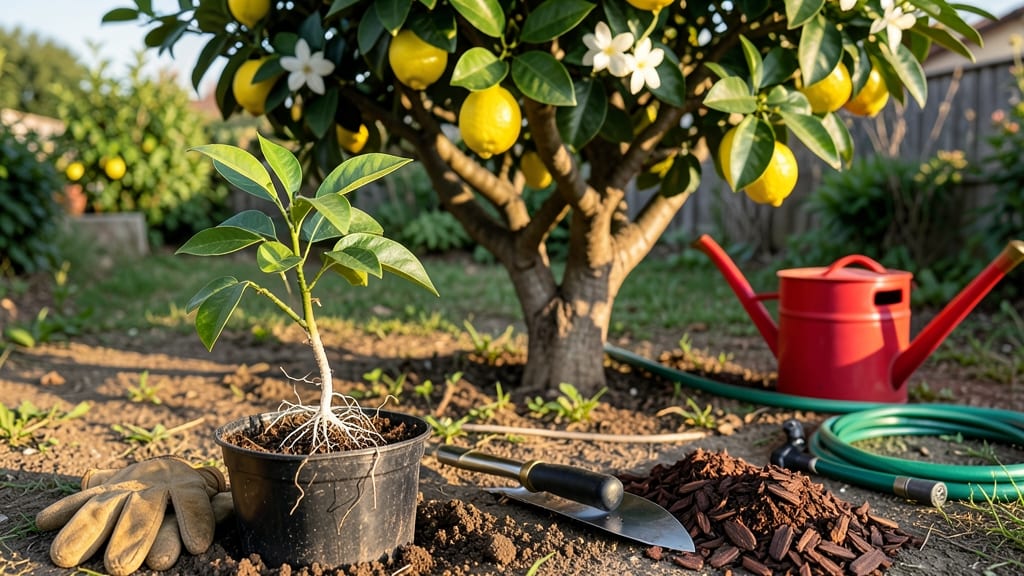
Planting a lemon tree 🍋 in California isn’t just about grabbing a sapling and sticking it in the ground—it’s about timing it right to avoid frost surprises (yes, even in sunny SoCal) and giving your tree the best shot at thriving.
The perfect window depends on where you live, whether you’re near the coast or tucked in inland valleys, because those microclimates can shift your ideal months by a few critical weeks.
Most gardeners assume spring is the only safe bet, but in California’s mild winters, fall planting actually gives your lemon tree a head start on root growth before the cooler months.
That said, coastal areas like Santa Barbara can plant almost year-round, while inland spots near the Central Valley need to watch for those rare December chills that could turn your young tree into a popsicle.
I’ve seen firsthand how a single wrong month can mean stunted growth or even death—so let’s break down the exact frost-free windows for your USDA zone, plus the soil checks you must make before digging.
You’ll leave here knowing not just when to plant, but how to set your lemon tree up for a lifetime of harvests.
Ready to skip the guesswork? We’ll cover everything from soil temperature tricks to the best lemon varieties for your microclimate, so you can finally enjoy homegrown lemons without the stress. Let’s get started.
California’s frost-free planting windows by USDA Zone: exact months to avoid winter chill
California’s Mediterranean climate means lemon trees can thrive year-round, but frost risk and soil temperatures vary dramatically between zones. Inland valleys like the Central Valley (USDA Zone 9a-10a) face occasional winter chill, while coastal areas (Zone 9b-10b) rarely drop below freezing.
Understanding these differences is key to choosing the perfect planting window for your Citrus × limon.
Lemon trees need soil temperatures above 60°F to establish roots successfully. Coastal regions hit this threshold as early as January**, while inland areas may wait until March or April.
The last frost date in most of California is a non-issue for coastal growers, but Central Valley gardeners should plant after December 20th to avoid unexpected 28°F nights.
Here’s the breakdown by zone, including optimal planting months, frost risk timelines, and soil temperature thresholds for lemon trees:
| USDA Zone | Coastal vs. Inland | Optimal Planting Months | Soil Temp Threshold (°F) | Last Frost Risk |
|---|---|---|---|---|
| Zone 7 (Northern CA, e.g., Redding) | Inland only | April–May (spring) or September–October (fall) | 65°F+ (minimum) | December–February (high risk) |
| Zone 8 (Central Valley, e.g., Sacramento) | Inland | March–April (spring) or October (fall) | 60°F+ (minimum) | January (moderate risk) |
| Zone 9a (Southern CA, e.g., Los Angeles) | Coastal: Year-round Inland: March–May |
January–March or September–November | 55°F+ (coastal) 60°F+ (inland) |
None (coastal) December (inland) |
| Zone 9b (Coastal, e.g., Santa Barbara) | Coastal only | Year-round (best: February–April) | 50°F+ (minimum) | None |
| Zone 10a (Desert, e.g., Palm Springs) | Inland desert | November–March (avoid summer heat) | 60°F+ (minimum) | None |
For coastal California (Zones 9b-10a), you can plant lemon trees year-round, but late winter to early spring (February–April) is ideal. The soil warms quickly, and rainfall decreases, reducing the risk of waterlogged roots.
Inland areas like the Central Valley should avoid fall plantings due to December frost risk.
Use a soil thermometer to confirm temperatures before planting. If your microclimate runs cooler (e.g., Santa Cruz Mountains), delay until soil hits 60°F. For container-grown trees, you can plant slightly earlier, as pots warm faster than in-ground soil.
Pro tip: Check your local Cooperative Extension Service frost maps for hyper-local adjustments. For example, San Francisco’s coastal fog can delay soil warming by 2–3 weeks compared to San Jose’s inland heat.
Adjust your planting timeline accordingly to give roots the best chance to establish before summer’s peak heat.
Once planted, mulch heavily (4–6 inches of wood chips) to insulate roots from temperature swings. This is especially critical in Zone 7–8, where winter chill can stress young trees.
Pair this with a windbreak if your garden is exposed, as cold air drainage can drop temperatures 5–10°F lower than official forecasts.
Remember: Meyer lemons (a cold-hardy hybrid) tolerate 25°F briefly, while Eureka or Lisbon varieties struggle below 28°F. Choose your variety based on your USDA zone and microclimate to maximize success.
🌱
Signs your soil and climate are ready: 5 critical checks before planting lemon trees
Before you rush to plant your lemon tree, California’s diverse microclimates mean your success depends on checking soil conditions and local weather patterns. A soil thermometer is your first tool—lemon trees thrive when soil temps stay above 60°F (15°C).
If your area experiences late-season rains (like in Zone 9), delay planting until the ground dries enough to prevent root rot.
Next, assess your site’s sunlight exposure. Lemon trees demand 6+ hours of direct sun daily—any less, and you’ll struggle with poor fruiting. Test your spot by observing shadows: if a 6-foot pole casts shade for more than 4 hours, move your planting site.
Coastal areas often get morning fog, which can block sunlight, so choose a south-facing slope for maximum warmth.
Now, the soil drainage test: Dig a 12-inch hole and fill it with water. If it drains in under an hour, your soil is ideal. If water pools after 24 hours, you’ve got compacted clay—amend it with compost or sand to improve aeration.
Lemon trees hate soggy roots, so this step is non-negotiable.
🌱Pro Tip: Use a permeability test—poke a metal rod into the soil. If it resists, your soil is too dense. Break up clumps with a broadfork or plant in a raised bed for better control.
⚠️ Red Flags That Mean You Should Delay Planting
- Frost risk: Even in California, inland valleys can hit 32°F (0°C) in December. Check your local frost dates—plant after the last frost.
- Heavy rains: If your area gets 3+ inches of rain weekly, roots will suffocate. Wait for a dry spell (2+ weeks without downpours).
- High humidity: Coastal areas with 70%+ humidity increase fungal diseases. Plant in fall to avoid summer dampness.
- Cold soil: If your soil thermometer reads below 55°F (13°C), roots won’t establish. Warm soil speeds up growth by 30-50%.
🌡️ Action Step: Use a black plastic mulch to raise soil temps by 5-10°F if planting early.
Don’t overlook humidity levels, especially if you’re near the coast. Lemon trees prefer moderate humidity (40-60%). If your area is muggy, plant in a slightly elevated spot to improve air circulation and reduce leaf diseases. A simple hyrometer (under $15) can save you from costly mistakes.
Finally, prep your site by loosening the soil to a 12-inch depth and mixing in aged compost or citrus-specific fertilizer. This ensures your lemon tree gets the phosphorus and potassium it needs for root development. Avoid fresh manure—it can burn roots and attract pests.
Once you’ve passed these 5 critical checks, your lemon tree will have the perfect foundation to thrive. The key is patience: waiting for the right conditions now means years of harvests later. Happy planting! 🌿