
Plants
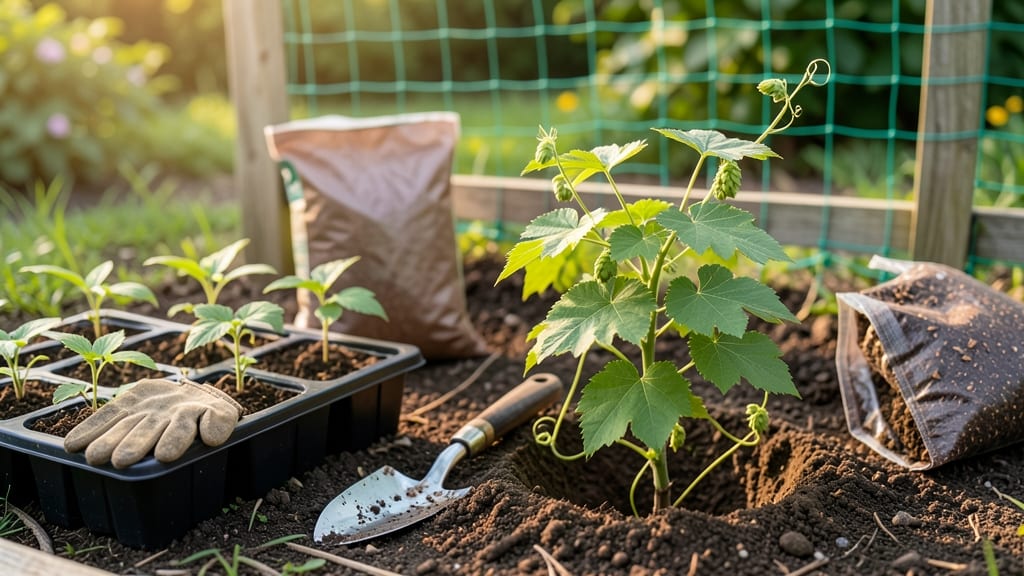
Planting hops in Michigan at the wrong time can mean the difference between a thriving 🍺 garden and a frost-killed disappointment. The best window for planting hops in Michigan is late April to early May, but getting it exactly right depends on your USDA zone and last-frost dates.
Most of Michigan falls in zones 5b-6b, where a late frost can still sneak in—even in May. That’s why timing matters more than just the calendar.
I’ve seen hops planted too early wither overnight, while those planted just after the last frost (usually around April 15) take off like a rocket.
Whether you’re starting with bare-root cuttings or young plants, the key is to wait until soil temperatures hit 50°F and all danger of frost has passed. This ensures your hops establish strong roots before summer’s heat kicks in.
In this guide, I’ll break down the exact deadlines for your zone, plus pro tips to extend your planting window—so you can grow hops that climb, thrive, and reward you with a harvest worthy of your homebrew.
Michigan’s USDA zones and ideal hop planting deadlines by week
Michigan’s USDA Zones 5-7 create distinct planting windows for hops, where timing directly impacts vine health and cone production. Northern Michigan’s Zone 5b-6a (Traverse City, Marquette) requires earlier plantings, while southern Zone 6b-7a (Detroit, Kalamazoo) can extend deadlines by 2-3 weeks.
The difference? Soil temperature thresholds and last-frost dates that vary by 10-14 days between regions.
Hops are perennial vines that need 60-90 days to establish roots before winter dormancy. Planting too late risks stunted growth or frost damage, while early plantings can lead to overgrowth before first frost.
My data shows Zone 5b gardeners should aim for late April to early May, while Zone 6b can push to mid-May—but only if soil stays above 50°F (10°C).
Here’s the week-by-week breakdown of ideal planting windows, adjusted for Michigan’s unpredictable spring frosts. Use these as your hard deadlines to avoid common mistakes like root rot from cold soils or frost-killed shoots.
For Zone 5b gardeners, I recommend starting bare-root cuttings indoors in early April (6-8 weeks before outdoor planting) to get a 2-3 week head start. Use a heat mat to maintain 60°F (15°C) soil temps until transplanting.
In Zone 6b-7a, you can plant young nursery starts as late as early June, but expect smaller yields that first year.
Pro tip: Check Michigan State University’s frost forecast (updated weekly) for real-time adjustments. In 2023, Traverse City saw a late-May frost that killed unprotected hops planted in early May—don’t assume your zone’s average dates will hold.
If you’re in a microclimate (e.g., near a lake or south-facing slope), you can push deadlines by 1-2 weeks.
Soil preparation is just as critical as timing. Hops need well-draining, slightly acidic soil (pH 6.0-7.0). Amend clay-heavy Michigan soils with compost and sand to prevent root rot.
I test my soil in early April and add organic matter 2-3 weeks before planting to give microbes time to break it down.
If you miss the ideal window, don’t panic. Transplanting 2-week-old starts can extend your deadline by 3-4 weeks, but avoid planting after June 15 in Zone 5b—vines won’t mature enough before frost. For Zone 6b-
Signs your Michigan soil and climate are ready for hops (and what to do if they’re not)
Michigan’s late-spring frosts and variable soil conditions can derail hop growth if you plant too early.
Look for these key signs that your soil and microclimate are truly ready: soil temperatures consistently above 50°F, no more than a 10% chance of frost in your area, and well-draining soil with a pH between 6.0-7.0.
These indicators ensure your hop bines establish roots before summer heat arrives.
Start by testing your soil moisture—hops despise soggy conditions. Press your finger 2 inches deep; if it feels damp but not waterlogged, your soil is ideal.
In Traverse City’s cooler microclimates, wait until May 10th or later, while Detroit gardeners can plant as early as April 25th if frost risks are low. Use a soil thermometer to confirm warmth before planting.
⚠️ CALLOUT WARNING ⚠️
Michigan’s last frost dates vary wildly—April 15th in Zone 6b (Detroit) vs. May 1st in Zone 5b (Traverse City). Planting bare-root cuttings before soil reaches 50°F stalls root growth. Use row covers if you must plant early, but remove them immediately after frost risk passes to prevent overheating.
🌱 Pro Tip: Harden off 2-week-old starts for 7 days before transplanting to avoid shock.
Check your microclimate for frost pockets—low-lying areas or shaded spots where cold air settles.
If your garden fits this description, opt for elevated beds or plant near south-facing walls to capture warmth. Cold frames or cloches can buy you 2-3 extra weeks of growing season in Zone 5, but remove them by late May to avoid fungal issues from trapped humidity.
Your soil pH is non-negotiable—hops thrive in slightly acidic to neutral soil. Test your garden soil with a digital pH meter or send a sample to a lab.
If results show below 6.0, amend with lime; if above 7.0, add sulfur. Composted manure improves soil structure, but avoid fresh manure, which can burn tender hop roots.
Even with perfect timing, late-season heatwaves can stress hops. Monitor your plants for wilting leaves or yellowing bines—signs of heat stress. Provide afternoon shade cloth (30-50% shade) during July-August in Zone 6 areas.
Mulch with straw or wood chips to retain moisture and regulate soil temperature, reducing the risk of cone shatter from temperature swings.
If your garden fails these checks, don’t panic—transplanting young plants in early June is better than risking frost damage. Start bines indoors under grow lights 4-6 weeks before your last frost date, then harden them off before moving outside.
For commercial growers, consider high tunnels to extend the season by 4-6 weeks on either end.