
Plants
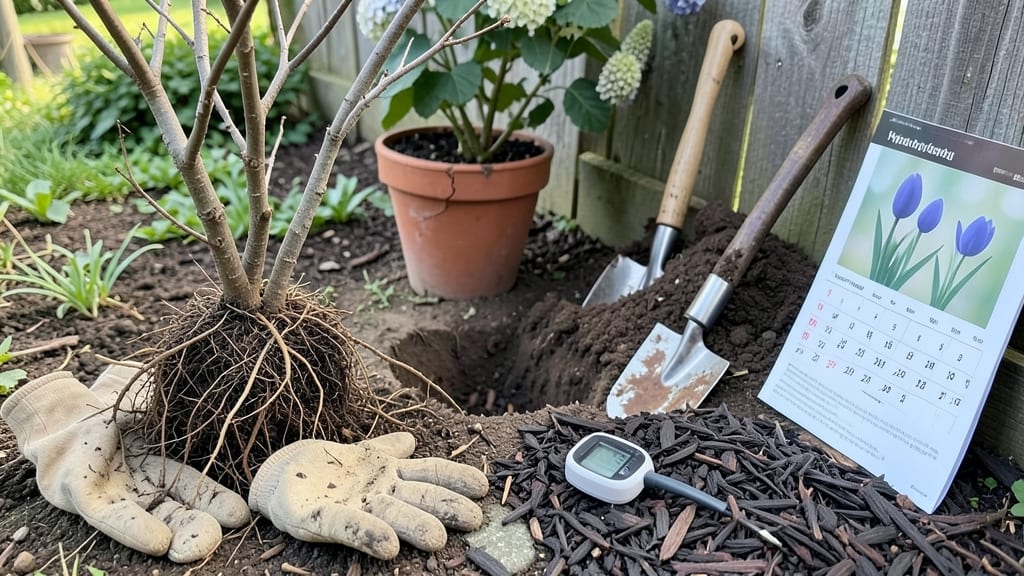
Planting your Hydrangea 🌸 at the wrong time in the Northeast could mean the difference between a showstopping shrub and one that struggles to survive.
The best time to plant these beauties depends on your exact zone—whether you're in Zone 5, 6, or 7—and whether you prefer spring or fall planting.
Most gardeners in the Northeast swear by late spring planting, once the soil warms up and the last frost has passed—typically late April to early June. But fall planting in September also works if you want to give your hydrangeas a head start before winter.
The key is timing it right so your plant establishes strong roots before the cold sets in.
In this guide, I’ll break down the exact planting windows for your zone, plus pro tips to prepare your soil and protect your hydrangeas from Northeast weather quirks.
Whether you’re a first-time planter or a seasoned gardener, you’ll learn how to set your Hydrangea 🌸 up for years of vibrant blooms.
Ready to get started? Let’s dive into the best deadlines and techniques to make your hydrangeas thrive in the Northeast’s unpredictable climate.
Spring vs fall planting deadlines for hydrangeas by Northeast hardiness Zones
Timing your hydrangea planting in the Northeast isn't one-size-fits-all—it depends on your USDA hardiness zone and whether you prefer spring or fall planting. In Zones 4-7, these shrubs thrive when planted during their optimal windows, but missing the mark can lead to winter stress or poor blooms.
Let's break down the exact deadlines by zone so you can plant with confidence.
Spring planting works best after the last frost date, when soil temperatures consistently stay above 50°F (10°C). In the Northeast, this typically means late April to early June, but your exact window shifts depending on whether you're in Zone 4 (coldest) or Zone 7 (milder).
Fall planting, on the other hand, gives roots time to establish before winter, with ideal timing between September and early October—but again, this varies by zone.
Soil temperature is your best guide: hydrangeas need at least 4-6 weeks to establish roots before winter dormancy. In Zone 4, this means planting by mid-September to avoid frost damage, while Zone 7 gardeners can push it to early November. Spring plantings must wait until soil warms to prevent root rot.
If you plant in late spring, your hydrangeas will focus on root growth rather than blooming that first year. This actually benefits long-term health, as established roots mean bigger blooms in subsequent seasons.
However, late-spring plantings in Zone 4 risk stunted growth if summer heat arrives before roots take hold.
Fall planting is often preferred because it allows roots to establish before winter, giving your hydrangeas a head start in spring. The key is to plant 6-8 weeks before your first frost, which gives roots enough time to anchor deeply before dormancy.
In Zone 7, this means you can push planting to early November, but in Zone 4, you must finish by mid-September.
Watch for frost warnings in late fall—hydrangeas can handle light frosts once established, but young roots are vulnerable. If your area experiences an early frost, cover newly planted hydrangeas with mulch or burlap to protect tender roots.
In Zone 5 and 6, this is especially critical in October when temperatures fluctuate wildly.
One common mistake is planting too early in spring when soil is still cold. Cold soil slows root growth and can lead to rot or disease. Always check soil temperature with a soil thermometer—aim for at least 50°F (10°C) before planting.
For fall plantings, avoid late November starts, as roots won’t have enough time to establish before winter.
Pro tip: If you're unsure about your last frost date, use the USDA Plant Hardiness Zone Map and local weather forecasts. Many Northeast gardeners also follow the "6-week rule": count back 6 weeks from your first frost to determine your fall planting deadline.
This simple trick ensures your hydrangeas have time to settle
How to prepare your Northeast garden for Hydrangea planting in optimal seasons
Preparing your Northeast garden for hydrangeas starts with understanding your soil type and seasonal timing. The region's clay-heavy soils in areas like New Jersey or sandy soils in coastal Maine both need special attention to ensure proper drainage and nutrient retention.
For spring planting (after last frost), focus on amending soil with compost and adjusting pH levels for your desired bloom color. In fall planting (September-October), prioritize root establishment before winter with extra mulch and consistent moisture.
- 🌱 Spring Prep (Zones 4-7): Test soil pH (5.2-6.0 for blue, 6.0+ for pink blooms). Mix in 3-4 inches of compost and 1/3 sand if clay-heavy.
- 🌿 Soil Amendments: Sandy soils? Add peat moss. Clay soils? Incorporate gypsum. Both need 2-3 inches of organic mulch after planting.
- 💧 Watering Strategy: Spring: Deep water 2x/week. Fall: Reduce to 1x/week once temps drop below 60°F. Always water at soil level, not leaves.
- ❄️ Fall-Specific Tips: Plant 4-6 weeks before first frost. Use 6-inch mulch ring with shredded bark. Avoid fresh mulch that steals nitrogen.
- ✂️ Pruning Prep: Spring: Prune dead stems. Fall: Wait until after blooms fade. Never prune in late summer for next year's flowers.
Your Northeast hydrangeas thrive with moisture-retentive soil but hate soggy roots. For clay soils, create raised beds or plant on mounds. In sandy areas, dig a 12-inch-deep planting hole and mix in coconut coir to improve water retention.
After planting, stake taller varieties (like 'Annabelle') to prevent wind damage. Use 3-foot stakes tied with soft fabric strips. This is especially critical in exposed sites common along the New England coast.
Remember: Spring-planted hydrangeas need consistent watering for 6-8 weeks to establish roots, while fall-planted ones rely on stored moisture over winter. Both benefit from a balanced fertilizer (10-10-10) applied in early spring.
With these Northeast-specific techniques, your hydrangeas will establish strong roots and reward you with vibrant blooms for years. The key is adapting to your local soil while following seasonal cues—don't let the region's challenges become your plants' downfall! 🌸