
Plants
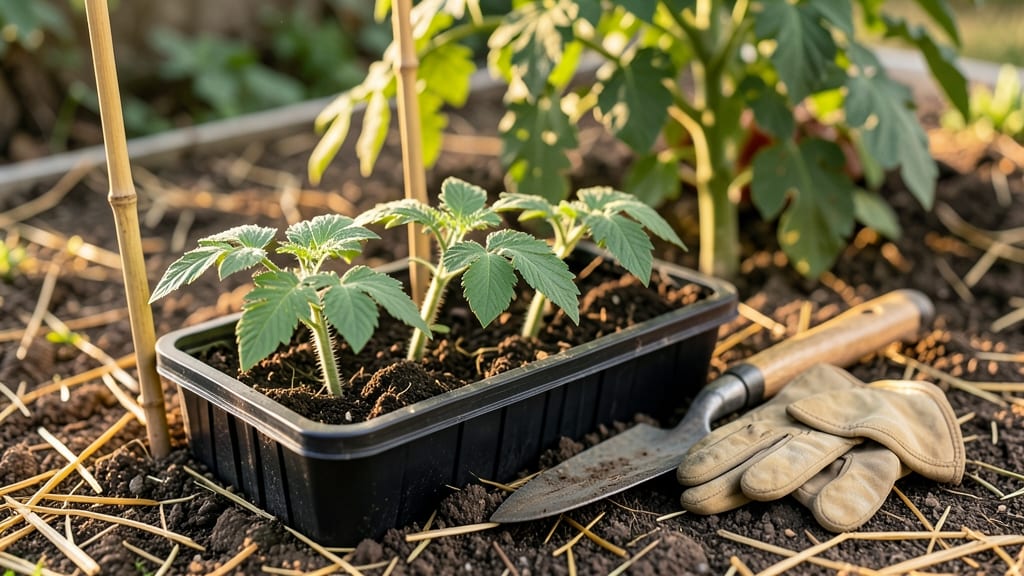
Planting tomatoes in Texas at the wrong time can turn your 🍅 dreams into a wilted mess—especially when unpredictable heat or frost sneaks up on you.
The best time to get those seeds in the ground depends on where you live in the Lone Star State, because what works in Houston might fry in Lubbock.
Most Texas gardeners swear by starting seeds indoors 8-10 weeks before the last frost date, but soil temperature is the real game-changer. If your ground isn’t hitting at least 60°F, those seeds will take forever to sprout—or worse, rot.
I’ll break down exactly when to plant in North, Central, and South Texas, so you can avoid common pitfalls like blossom-end rot or stunted growth.
Whether you’re a seasoned gardener or a first-timer, timing matters more than you think. We’ll cover transplanting tricks, heat-resistant varieties, and even how to stretch your harvest season. Ready to grow juicy, homegrown tomatoes that’ll make your neighbors jealous?
Let’s dive into the fastest, foolproof way to get your Texas tomato garden off to a flying start—no guesswork required.
Texas tomato planting calendar: ideal dates by region and soil temperature
Texas’s diverse climate means your tomato planting schedule should shift dramatically depending on whether you’re in the Panhandle’s Zone 8a, the Hill Country’s Zone 8b, or the Gulf Coast’s Zone 9a. Unlike cooler states, Texas gardeners can plant tomatoes year-round in some regions—but timing still matters.
The key? Waiting for soil temperatures of 50-60°F for germination and 70°F+ for transplanting to avoid cold-related stress like blossom-end rot or stunted growth.
For most Texans, the optimal window falls between mid-February and early April for central/north regions, while coastal gardeners can start as early as January. However, the Panhandle’s unpredictable frosts (even in March!) demand extra caution.
Below, I’ve broken down the best planting dates by region, plus soil temperature triggers to help you avoid common mistakes.
⚠️ Pro Tip: Use a soil thermometer ($10 at garden centers) to check temperatures before planting. If your soil runs cooler than 50°F, wait—even heat-loving tomatoes need warmth to thrive.
| Region | USDA Zone | Last Frost Date | Ideal Planting Window | Soil Temp for Germination | Soil Temp for Transplanting | Notes |
|---|---|---|---|---|---|---|
| North Texas (Dallas, Fort Worth) | 8a | Feb 15 - Mar 15 |
Seeds: Feb 1 Transplants: Mar 15-Apr 15 |
50-60°F | 70°F+ | Use black plastic mulch to warm soil faster. Avoid planting before Feb 1 due to frost risk. |
| Central Texas (Austin, San Antonio) | 8b | Feb 1 - Mar 1 |
Seeds: Jan 15 Transplants: Feb 15-Apr 1 |
55-60°F | 70°F+ | Can plant earlier than north due to warmer microclimates. Successive plantings every 2 weeks extend harvest. |
| South Texas (Houston, Corpus Christi) | 9a | Jan 15 - Feb 15 |
Seeds: Dec 15 Transplants: Jan 15-Mar 15 |
60°F+ | 75°F+ | Year-round planting possible with shade cloth in summer. Focus on heat-tolerant varieties like 'Solar Fire'. |
| West Texas (Panhandle, Lubbock) | 8a | Feb 28 - Mar 31 |
Seeds: Mar 1 Transplants: Apr 15-May 1 |
60°F+ | 75°F+ | Highest frost risk—wait until after April 15 for transplants. Use row covers for early starts. |
| East Texas (Tyler, Beaumont) | 8a-8b | Feb 1 - Mar 1 |
Seeds: Jan 30 Transplants: Mar 1-Apr 15 |
55-60°F | 70°F+ | Humidity increases disease risk—space plants widely and prune for airflow. |
If you’re in Zone 9a or warmer, you can push the envelope with fall plantings for a second harvest. Aim for transplants by August 15 so tomatoes mature before first frosts in November.
Just be prepared to use row covers or move containers indoors if temps dip below 50°F at night.
For container gardeners, soil warms faster in pots, so you can plant 2-3 weeks earlier than in-ground. Place pots in full sun and use dark-colored containers to absorb heat. Just remember: containers dry out quickly
How to time tomato planting for maximum yield: seed starting vs. transplanting
Timing your tomato planting in Texas isn’t just about avoiding frost—it’s about balancing soil temperatures, heat tolerance, and your region’s unique microclimate. Whether you’re starting seeds indoors or transplanting seedlings, getting it right means the difference between 60-pound harvests and struggling vines.
Let’s break down the exact steps to calculate your perfect planting window.
Texas spans USDA Zones 8a-10a, but even within the state, microclimates vary wildly. The Hill Country can have sudden freezes, while the Gulf Coast might see 90°F soil by March.
For most gardeners, the sweet spot is 8-10 weeks before your last frost date, but heat-loving varieties like 'Solar Fire' can handle late plantings if you use the heat-set method.
For container gardeners, start seeds 2 weeks earlier than ground plantings—pots heat up faster and dry out quicker. If you’re in Zone 10a, you can plant year-round, but focus on heat-tolerant varieties like 'Heatmaster' or 'Solar Fire' to avoid blossom drop in summer’s peak.
Pro tip: Mark your calendar for June 1—this is when most Texas gardeners start their second planting of fast-maturing varieties like 'Early Girl' or 'Celebrity' to extend harvests into fall. With the right timing, you’ll be feasting on homegrown tomatoes from June to October! 🌱