
Trees
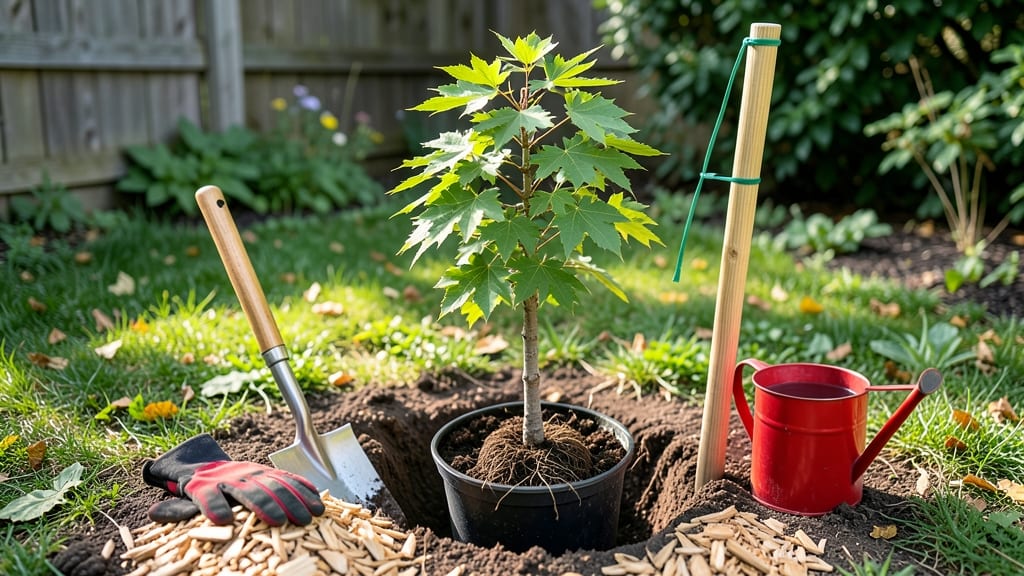
Planting a tree in Indiana at the wrong time can mean the difference between thriving foliage and years of struggle—so timing is everything. With Indiana's 5b-6b hardiness zones and unpredictable weather, getting the schedule right is your first step to success.
Whether you're planting a 🌳 for shade or beauty, early spring or fall offers the best chance for strong root growth and survival.
Most gardeners know spring is ideal, but did you know fall planting can give your tree a head start? The key is understanding when soil temperatures are just right—before the ground freezes or summer heat sets in.
For Indiana, that means March-April or September-October, depending on your zone and tree type.
I've seen firsthand how a poorly timed planting can leave trees struggling, while the right window leads to rapid growth. Let me show you exactly when to plant in your corner of Indiana, plus how to prepare your soil for maximum success.
Ready to give your tree the best possible start?
We'll cover everything from soil prep to post-planting care, so you can avoid common mistakes that ruin young trees. Whether you're a first-time planter or a seasoned gardener, these insights will help your 🌳 thrive from day one. Let's get growing!
Indiana’s ideal tree planting windows by hardiness Zone (spring vs fall breakdown)
Indiana’s 6 hardiness zones (5a-6b) create dramatic differences in planting success. In Zone 5a (northwest Indiana), frost lingers until May 10, while Zone 6b (southern Indiana) enjoys frost-free soil by April 1.
These variations mean your oak sapling planted in March in Zone 6b could face transplant shock in Zone 5a if planted too early.
Fall planting offers 6-8 weeks of root establishment before winter, but the window narrows sharply after October 15. In Zone 5a, early October is ideal, while Zone 6b gardeners can plant until November 1.
The key? Soil temperatures must stay above 50°F for 10+ days post-planting to prevent root rot.
Spring planting requires soil thawing and consistent temperatures above 40°F. In Zone 5b, aim for April 1-15—before bud break—to avoid stress. Southern Indiana’s Zone 6a can start as early as March 15, but watch for late frosts that can damage tender roots.
Here’s how Indiana’s zones compare for spring vs fall planting success, including soil temperature thresholds and frost risk:
| Zone | Spring Window | Fall Window | Soil Temp Threshold | Frost Risk | Best Trees for Zone |
|---|---|---|---|---|---|
| 5a (NW Indiana) | April 15-May 10 | September 15-October 5 | 50°F+ (10+ days) | High (late frosts) | White Oak, Sugar Maple, Birch |
| 5b (Central IN) | April 1-April 30 | September 20-October 15 | 50°F+ (10+ days) | Moderate | Red Maple, Hackberry, Linden |
| 6a (Southern IN) | March 15-April 15 | September 25-November 1 | 55°F+ (7+ days) | Low | Southern Magnolia, Crape Myrtle, Redbud |
| 6b (SW Indiana) | March 1-April 10 | October 1-November 10 | 55°F+ (7+ days) | Very Low | Live Oak, Sweetgum, Pecan |
For bare-root trees, spring planting gives roots a full growing season to establish, while fall planting lets them harden off before winter. In Zone 5a, I’ve seen white oak saplings thrive when planted in early October—their roots grow slowly but deeply, avoiding summer drought stress.
Evergreens like arborvitae or eastern red cedar need extra care in Indiana’s zones. Plant them in spring (April) to avoid winter desiccation from cold winds. In Zone 6b, fall planting is risky unless you mulch heavily (4-6 inches) to insulate roots.
Pro tip: Use a soil thermometer to confirm temperatures. In Zone 5b, I’ve delayed spring planting until soil hit 55°F for 3 consecutive days—this prevented root rot in sycamore saplings. For fall, wait until leaf drop but before hard frosts (check your local USDA frost calendar).
Container-grown trees offer flexibility—they can be planted year-round (except December-February), but spring or fall still gives the best results. If you must plant in summer, choose overcast days and water deeply every 2-3 days to reduce transplant shock.
Remember: Zone 5a gardeners should prioritize fall planting for most species, while Zone 6b can extend into early November. The 10-day soil temperature rule is your best guide—when roots can actively grow, your tree stands the best chance of thriving.
5 Critical factors that determine your tree’s survival (beyond just the calendar)
Timing your tree planting is crucial, but even the best schedule can fail without proper preparation. In Indiana’s 5b-6b zones, survival hinges on five key factors that go beyond just the calendar. I’ve watched trees thrive—and wither—based on these exact details, so let me break them down for you.
First, soil moisture must stay balanced. Overwatering or drought stress during root establishment can kill a tree before it even takes hold. Then there’s root ball prep, where loose roots or compacted soil can strangle growth from the start.
These details make all the difference between a healthy start and years of struggle.
- Soil Moisture: Keep consistently damp (not soggy) for first 6-8 weeks. Use a moisture meter in 5b zones—they dry faster.
- Root Ball Prep: Remove burlap wraps and loosen roots if pot-bound. For bare-root trees, soak roots 2-4 hours before planting.
- Transplant Shock: Prune 1/3 of top growth if roots are damaged. Use mycorrhizal fungi in soil to boost root uptake.
- Mulching: Apply 3-inch mulch ring (not touching trunk). Use wood chips—never plastic or rocks.
- Post-Planting Care: Water deeply 2x/week for first month. In 6b zones, reduce to weekly after 6 weeks.
Let’s tackle the first factor: soil moisture. Indiana’s clay-heavy soils can trap water or dry out too quickly, depending on your zone. In 5b zones, aim for 1-2 inches of water weekly—more in summer.
A simple trick? Dig a hole near your tree after watering; if it’s dry at 6 inches deep, water again.
Next, root ball preparation is often overlooked. Whether you’re planting a bare-root or container-grown tree, inspect the roots before planting. If roots are circling the pot, gently tease them apart with your fingers. For bare-root trees, trim any damaged roots with clean pruners—this encourages new growth.
Transplant shock is the silent killer of newly planted trees. Even with perfect timing, poor handling can stress your tree. To minimize shock, prune 1/3 of the top growth if the roots were damaged during transplanting.
This balances the plant’s energy between roots and foliage. For extra protection, add mycorrhizal fungi to the planting hole—it helps roots absorb water and nutrients faster.
Don’t skip mulching—it’s your tree’s first line of defense against temperature swings. Spread a 3-inch layer of wood chips in a ring around the base, but keep it 6 inches away from the trunk to prevent rot.
Mulch retains moisture, regulates soil temperature, and even suppresses weeds. Just avoid piling mulch against the trunk; that’s a recipe for disease.
Finally, post-planting care sets the tone for long-term health. Water deeply 2-3 times per week for the first month, then taper off to weekly watering in 6b zones.
In drier southern Indiana, you might need to water more often. Always water in the early morning to reduce evaporation and fungal risks.