
Trees
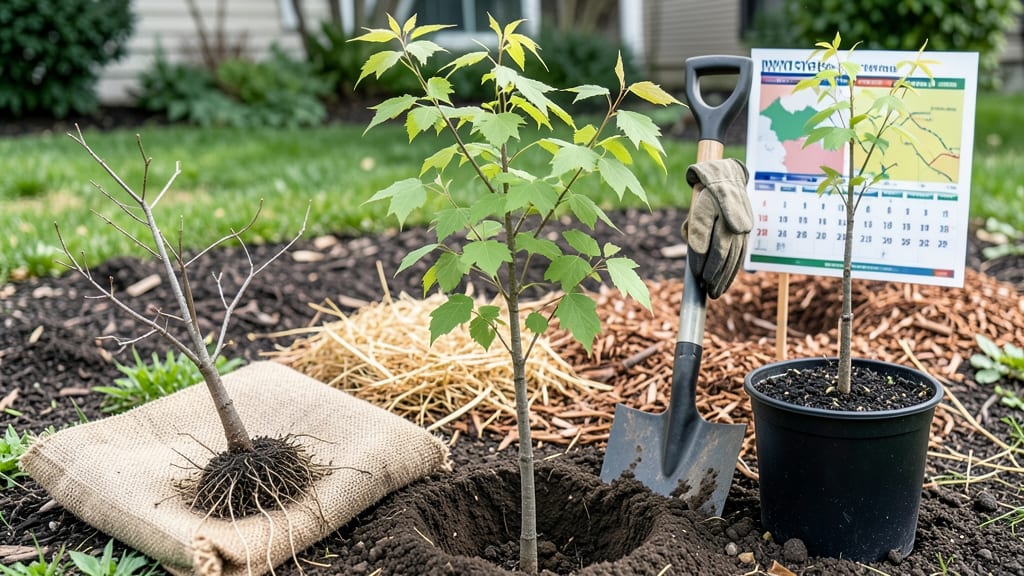
Planting a tree in Wisconsin at the wrong time can mean the difference between a thriving 🌳 and a struggling one that never reaches its full potential.
With frost dates ranging from mid-April to early May and first frosts arriving as early as October, timing is everything for root establishment and survival.
You might think spring is the only option, but fall planting actually gives young trees a head start on root growth before winter sets in. The key is understanding your specific USDA zone—whether you're in colder 4b or milder 6a—and how local microclimates affect soil temperatures and moisture.
In this guide, I'll break down exactly when to plant for maximum success, whether you're working with deciduous oaks or evergreen pines. You'll learn how to prepare your site, choose the right species for your climate, and avoid common pitfalls like late frosts or drought stress.
Ready to give your trees the best possible start? Let's dive into the science-backed planting windows that will set them up for decades of strong growth and vibrant canopies.
Wisconsin’s USDA zones and the ideal planting months for tree success
Wisconsin spans USDA Hardiness Zones 3-5, meaning our last frost dates range from mid-April in the north to early May in the south. These zones determine which tree species thrive and when you should plant them for maximum root establishment before winter.
In colder Zone 3-4b areas (northern Wisconsin), focus on early fall or late spring planting, while Zone 5a-6a (southern Wisconsin) offers slightly more flexibility.
Timing is everything—planting too early risks frost damage to tender roots, while planting too late leaves insufficient time for roots to establish before winter dormancy. Deciduous trees (like oaks and maples) benefit most from fall planting, while evergreens (like pines and spruces) often prefer early spring to avoid winter desiccation.
Let’s break down the best months for each zone and tree type to set your new trees up for success.
🌱
| USDA Zone | Best Planting Months | Soil Temp Requirement | Tree Type | Key Consideration |
|---|---|---|---|---|
| Zone 3-4b (Northern WI) | Late April–Early May (spring) or September (fall) | 45–55°F (7–13°C) | Deciduous (oak, maple, birch) | Avoid late frosts; mulch heavily |
| Zone 4b-5a (Central WI) | April–May (spring) or October (fall) | 50–60°F (10–16°C) | Evergreen (pine, spruce, fir) | Water deeply in dry spells |
| Zone 5a-6a (Southern WI) | April–June (spring) or September–October (fall) | 55–65°F (13–18°C) | Both deciduous & evergreen | Longer growing season allows flexibility |
| All Zones | Avoid June–August (drought risk) | — | Container-grown trees | Can plant year-round (except winter) |
For Zone 3-4b, prioritize September planting—this gives roots 6-8 weeks to establish before winter.
In these colder zones, bare-root trees planted in early spring (late April) also perform well, as they can take advantage of Wisconsin’s 150-170 frost-free days. Evergreens like white pines are particularly vulnerable to winter burn, so fall planting in Zone 4b-5a should include extra mulch to insulate roots.
In Zone 5a-6a, you have more wiggle room: April–June and September–October are both ideal. This southern stretch of Wisconsin benefits from longer growing seasons, allowing container-grown trees to be planted even in late spring (June) if kept well-watered.
However, avoid planting in July and August—Wisconsin’s summer droughts can stress young roots, leading to poor establishment.
🌳
Soil temperature is the deciding factor for successful tree planting. Use a soil thermometer to check for 45°F (7°C) minimum before planting. In northern Wisconsin, this often aligns with late April to early May, while southern zones may reach this threshold by mid-April.
For fall planting, aim for 6-8 weeks before first frost—typically September in the north and October in the south.
Pro tip: Deciduous trees like sugar maples and red oaks thrive when planted in fall because cooler temperatures reduce transplant shock and encourage root growth before dormancy. Meanwhile, ever
Spring vs. fall planting: which works best for Wisconsin’s climate?
Wisconsin’s cool, variable climate makes timing critical for tree planting success. Whether you’re planting oaks, maples, or pines, choosing between spring (April–May) or fall (October–November) impacts root growth, survival rates, and long-term health. Each season offers unique advantages—and challenges—that align with Wisconsin’s USDA Zones 3-5 and frost patterns.
Spring planting gives trees a full growing season to establish roots before winter, but early frosts or drought can stress young saplings. Fall planting, however, allows roots to grow undisturbed through cooler temperatures, reducing transplant shock.
For Wisconsin gardeners, the best choice depends on your tree species, soil moisture, and local microclimate.
Spring Planting (April–May)
Pros ✅
- Longer growing season for root establishment
- Easier to monitor watering needs during dry spells
- Ideal for bare-root trees (available in spring)
Cons ❌
- Risk of late frosts damaging new shoots
- Competition with weeds and pests spikes in summer
- Drought stress if rainfall is inconsistent
Fall Planting (October–November)
Pros ✅
- Cooler temps reduce transplant shock
- Roots grow undisturbed through winter
- Fewer pests and weeds compared to spring
Cons ❌
- Limited time for root establishment before frost
- Soil may be too cold or frozen in late fall
- Harder to water consistently in winter
For Wisconsin’s climate, fall planting (especially September–October) is often the best choice for most tree species. The 60–70°F soil temperatures in early fall encourage root growth without the stress of summer heat.
However, if you miss fall, late April–early May is your next best window—just be prepared to protect young trees from late frosts.
Before planting, prepare your site by amending soil with compost and ensuring proper drainage. In Wisconsin’s clay-heavy soils, mixing in organic matter improves aeration and moisture retention. Mulch around the base to retain soil moisture and suppress weeds, but avoid piling mulch against the trunk to prevent rot.
Deciduous trees like maples and oaks thrive with fall planting, while evergreens such as pines and spruces benefit from spring planting to avoid winter desiccation. Always check your local frost dates—southern Wisconsin (Zone 5) has a longer fall window than northern areas (Zone 3).
Regardless of season, water deeply after planting and monitor soil moisture. In Wisconsin’s variable rainfall, consistent watering is key to preventing drought stress during the critical first year. With the right timing and care, your trees will establish strong roots and flourish for decades.