
Planting
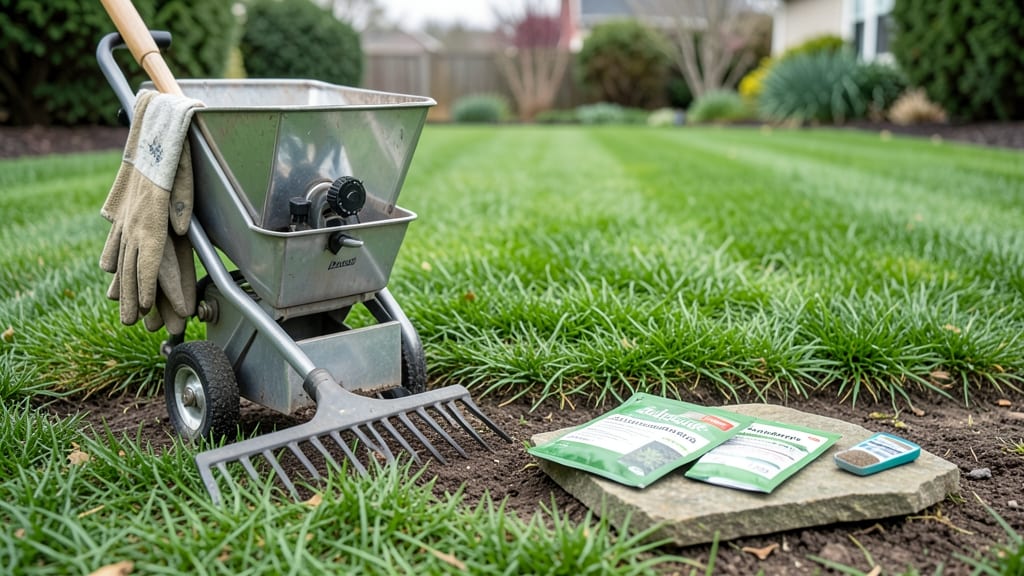
Planting grass seed at the wrong time in North Carolina can mean wasted money, uneven growth, or a lawn that struggles to establish—so timing is everything for a lush, 🌱 resilient yard.
If you've ever stared at a patchy lawn wondering why your grass seed didn't take, you're not alone. The difference between success and disappointment often comes down to when you plant.
North Carolina's diverse climate zones—from the Coastal Plain to the Mountains—create unique windows for optimal germination, and missing them can leave your yard looking less than its best.
I’ve spent years helping homeowners like you transform bare spots into vibrant lawns, and the key always comes back to timing. Whether you're dealing with cool-season grasses like fescue or warm-season types like Bermuda, knowing the best months to plant in your specific region makes all the difference.
Let me show you exactly when to plant for the best results.
From soil temperatures to rainfall patterns, we’ll break down everything you need to know to ensure your grass seed takes root quickly and grows strong. Ready to get started? Let’s dive into the perfect planting schedule for your North Carolina lawn.
Best months to plant grass seed in North Carolina by region and climate zone
North Carolina’s diverse climate—from the humid Coastal Plain to the cooler Mountain regions—means grass seed planting windows vary dramatically. Getting the timing right ensures strong germination and year-round lawn health.
The key is aligning your planting with soil temperatures, rainfall patterns, and grass seed type (cool-season vs. warm-season). Let’s break it down by region so you can plant with confidence.
For Coastal North Carolina (USDA Zones 8a-8b), the ideal planting months are late summer (August-September) and early spring (March-April).
The region’s hot, humid summers and mild winters create a unique window where warm-season grasses like Bermuda thrive in summer, while cool-season grasses like tall fescue establish best in spring or fall.
Timing is critical—plant too early, and you’ll face drought stress; too late, and fall frosts can stunt growth.
In the Piedmont region (USDA Zones 7a-7b), late summer to early fall (August-October) is prime for cool-season grasses, while warm-season grasses should go in late spring (May).
This area’s moderate climate allows for a slightly longer planting window, but soil temperature is the real decider—aim for 60-70°F for optimal germination. The Piedmont’s variable rainfall also means you’ll need to monitor moisture closely during establishment.
For the Mountain regions (USDA Zones 6b-7a), early spring (March-April) and late summer (August) are your best bets.
Cooler temperatures and shorter growing seasons demand precision—plant too late in summer, and fall frosts can damage young seedlings. Tall fescue and Kentucky bluegrass are popular choices here, but they need consistent moisture and well-draining soil to thrive in the region’s acidic, rocky terrain.
| Region | Climate Zone | Best Planting Months | Grass Types | Soil Temp Goal (°F) | Key Considerations |
|---|---|---|---|---|---|
| Coastal Plain | 8a-8b | Aug-Sept, Mar-Apr | Bermuda, Zoysia, St. Augustine | 65-75°F | Humidity, drought risk |
| Piedmont | 7a-7b | Aug-Oct, Mar-Apr | Tall Fescue, Bermuda | 60-70°F | Variable rainfall |
| Mountains | 6b-7a | Mar-Apr, Aug | Kentucky Bluegrass, Fescue | 55-65°F | Cooler temps, rocky soil |
If you’re planting in spring, aim for March-April across all regions. This gives seedlings 6-8 weeks of warm weather to establish before summer heat sets in. Fall planting (August-September) is ideal for cool-season grasses because it allows roots to grow deep before winter dormancy.
In Coastal NC, you can even push fall planting into October, but avoid planting after November 1 to prevent frost damage.
For warm-season grasses like Bermuda or Zoysia, late spring (May) is your window—these grasses need consistent warmth to germinate. In the Mountains, however, May planting can be risky due to late frosts, so wait until June if you’re in a higher elevation. Always check soil temperature
Key factors that determine the perfect planting time for NC grass seed
North Carolina’s diverse climate—from the humid Coastal Plain to the cooler Mountain regions—means soil temperature and rainfall patterns play critical roles in determining the ideal time to plant grass seed.
Unlike other states, NC’s USDA zones 6b-8a create microclimates where warm-season grasses (like Bermuda) thrive in summer, while cool-season grasses (like Fescue) prefer milder spring or fall conditions. Getting these factors right ensures your seed germinates quickly and establishes a thick, healthy lawn.
One of the biggest mistakes I see is planting grass seed when the soil temperature is outside the optimal range of 60-70°F.
For example, in the Piedmont region, early spring (March-April) offers perfect conditions for cool-season grasses, but the same timing in the Coastal Plain might be too risky due to unpredictable humidity levels and rainfall fluctuations.
Meanwhile, warm-season grasses like Zoysia need the ground to be at least 70°F before germination can begin, typically in late spring or early summer.
Rainfall patterns are another game-changer. North Carolina’s humidity and drought risks vary by season—Coastal areas often experience wet springs, while the Mountains can dry out quickly in summer. Planting during consistent moisture periods (like September’s gentle rains) gives seeds the hydration they need without drowning them. I always check the 7-day forecast before seeding to avoid planting during heatwaves or heavy downpours, which can wash seeds away or cause fungal issues.
The type of grass seed you choose directly impacts your planting window. For instance, tall fescue (a cool-season favorite) germinates best when daytime highs are between 65-75°F, making early fall (August-September) ideal across most of NC.
In contrast, Bermuda grass needs soil temps above 75°F, so I wait until late May or June in the Piedmont. Pro tip: Check the seed packet for germination requirements—some varieties even specify minimum daylight hours for successful sprouting.
Don’t overlook humidity as a silent factor. High humidity (like in NC’s summer) can smother seeds with fungal diseases, while low humidity (common in fall) may dry them out.
I’ve found that late August strikes the perfect balance in the Coastal Plain—warm enough for germination but with enough rain to keep seeds hydrated. For the Mountains, September’s cooler temps and gentler rains create ideal conditions for both cool and warm-season grasses to overlap successfully.
Finally, always test your soil pH before planting—NC soils often lean acidic, which can stunt grass growth. Aim for a pH of 6.0-7.0 and amend with lime if needed.
Pair this with a light mulch (like straw) to retain moisture, and you’ll give your new grass seed the best possible start. Timing isn’t just about the calendar; it’s about reading your local microclimate like a pro. 🌱