
Planting
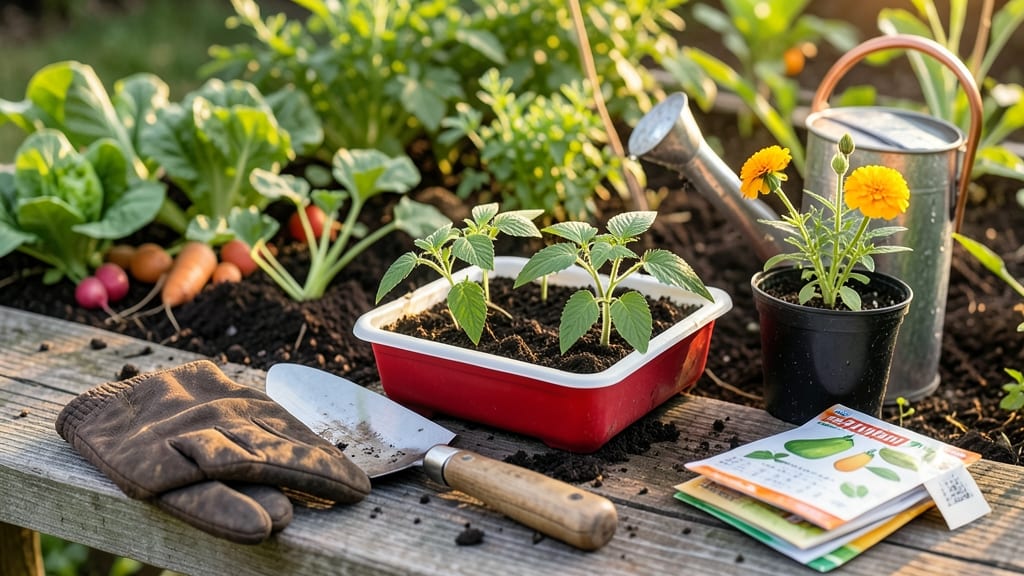
Timing your garden planting in Maryland isn't just about following a calendar—it's about beating frost, avoiding heat stress, and leveraging your county's unique microclimate.
With last frost dates ranging from mid-March in Southern Maryland to late April in the mountains, getting it wrong could mean lost seedlings or stunted crops.
I’ve spent years tracking these shifts, and the key to success lies in knowing exactly when to start seeds indoors, transplant tender plants, and sow directly into warmed soil.
Whether you're growing tomatoes in Baltimore’s urban heat islands or carrots on the Eastern Shore’s cooler coast, the rules change dramatically. You’ll learn how to adjust for 5b–8a USDA zones, use frost-free date calculators, and even work around Maryland’s unpredictable spring weather.
No more guessing—just a clear, county-by-county roadmap to planting your garden at the perfect moment for maximum yield.
This isn’t just theory; it’s actionable advice I’ve tested in my own garden. From extending seasons with row covers to timing fall crops for a second harvest, you’ll discover how small adjustments can make a huge difference.
Let’s dive into the exact dates and strategies that’ll help your Maryland garden thrive, no matter where you live in the state.
Ready to stop second-guessing and start planting with confidence? You’ll walk away with a personalized timeline, frost-date tools, and pro tips to avoid common mistakes that derail even the most eager gardeners. Your best harvest starts here—let’s get growing!
Maryland county frost dates: exact planting windows by region (2024 guide)
Maryland’s frost dates vary dramatically across its five regions, from the cooler Appalachian highlands to the warmer Eastern Shore. Knowing your last spring frost and first fall frost is critical—plant too early, and frost will kill tender seedlings; too late, and summer heat stresses plants before harvest.
Let’s break down the county-specific averages so you can time your garden like a pro.
For warm-season crops like tomatoes and peppers, wait until after the last frost—typically mid-April in Southern Maryland but late May in Western counties. Cool-season crops such as spinach and carrots thrive when planted 4–6 weeks before the first fall frost, which can arrive as early as mid-October in the mountains or late November near the coast.
Here’s your region-by-region frost date guide, including adjustments for early/late years and microclimates. Use this to plan seed starting, transplanting, and direct sowing with confidence.
In Western Maryland, where elevations reach 3,000 feet, frost lingers later in spring and arrives earlier in fall. For example, Garrett County averages its last frost on May 15, giving you a shorter growing season. Plant fast-maturing varieties like bush beans or radishes to maximize yields.
On the Eastern Shore, milder coastal air extends the season. Somerset County often sees its first frost in early November, allowing for late-planted crops like broccoli or kale. Use this extra time to succession plant for continuous harvests.
For perennials, like asparagus or rhubarb, plant in early spring (March–April) once soil temperatures rise above 50°F. These plants establish roots slowly, so give them a head start before summer heat sets in.
If you’re unsure about your exact frost dates, check local records from the National Weather Service or use a frost calendar app. For urban gardeners in Baltimore or DC, microclimates can shift frost dates by 1
How to use frost dates to plan your Maryland garden calendar
Understanding Maryland’s frost dates is your secret weapon for a thriving garden. The last spring frost and first fall frost mark critical windows for planting warm-season crops like tomatoes and peppers, while cool-season veggies thrive outside those dates.
But with Maryland’s USDA zones 5b–8a, your exact timing depends on where you live—whether you're in Baltimore’s urban heat island or the Eastern Shore’s coastal breezes.
Start by noting your county’s average last frost date (typically mid-April to late May) and first frost (usually mid-October to early November). Then, use these dates to calculate when to start seeds indoors, transplant seedlings, and direct-sow outdoors.
For example, frost-sensitive plants like eggplants need 80+ frost-free days, so you’ll need to begin seeds indoors 8–10 weeks before your last frost.
- 📅 8–10 weeks before last frost: Start warm-season seeds (tomatoes, peppers) indoors under grow lights.
- 🌱 4–6 weeks before last frost: Harden off seedlings and transplant cool-season crops (lettuce, spinach) outdoors.
- 🌡️ 2 weeks after last frost: Direct-sow heat-loving plants (beans, cucumbers) when soil reaches 60°F+.
- 🍂 60–80 days before first frost: Plant fall crops (kale, carrots) for a second harvest.
- ❄️ Before first frost: Harvest or protect tender perennials with row covers or move to cold frames.
Adjust your schedule for raised beds, which warm up faster than in-ground soil, allowing you to plant 2–3 weeks earlier for crops like radishes or bush beans.
Similarly, a cold frame can extend your growing season by 4–6 weeks in both spring and fall, letting you sow spinach in late September or peppers in early March.
For container gardening in urban areas like Baltimore or Annapolis, prioritize fast-maturing varieties (e.g., bush beans or zucchini) and use black plastic mulch to warm soil quickly. Containers also let you move plants to sunniest spots as the season progresses, maximizing growth.
Don’t forget fall planting! Maryland’s mild winters allow for cool-season crops like broccoli or garlic, which thrive when planted 6–8 weeks before first frost. Use a planting calendar template (like the one below) to track deadlines and avoid last-minute mistakes.
With these frost-date adjustments, you’ll turn Maryland’s short growing season into a year-round harvest—whether you’re growing heirloom tomatoes in summer or hardy kale in winter. Happy planting! 🌿