
Companion Plants
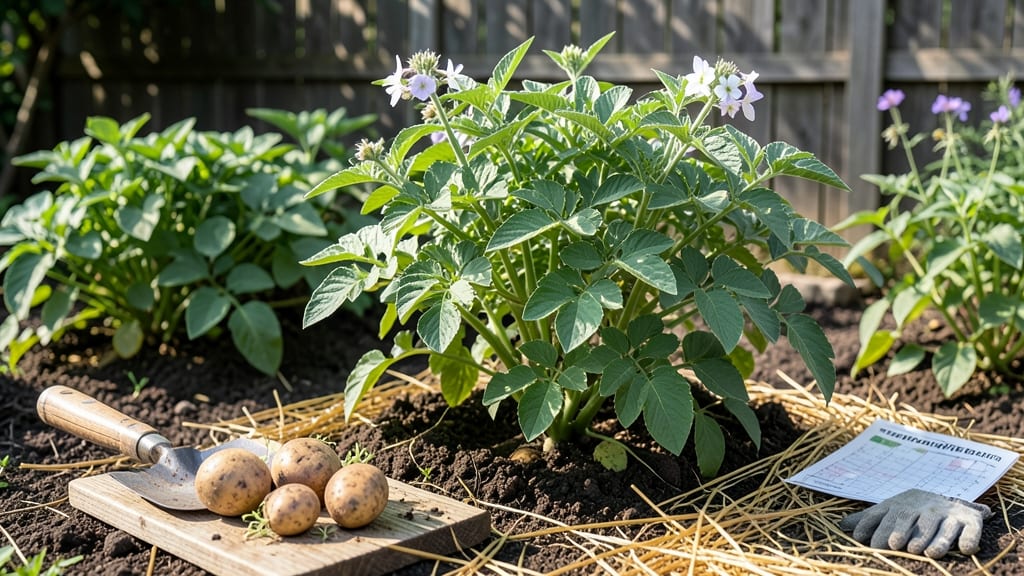
Planting potatoes in Michigan at the wrong time can mean frost-nipped sprouts or stunted harvests—so knowing the exact frost-free window for your USDA zone is the game-changer between a 5-pound bag and a 50-pound haul.
Michigan’s 5b-6b zones demand precision: too early, and a late frost will kill tender shoots; too late, and your 🥔 season shrinks. The sweet spot?
Start planting early varieties by February 15 (for a late-winter jump) or March 15–April 15, once soil hits 45°F—but be ready to adjust if Mother Nature throws a curveball.
I’ll break down the ideal planting timeline for your specific zone, plus pro tips to protect your crop from Michigan’s infamous frost surprises.
Whether you’re prepping in-ground beds or containers, you’ll learn how to sync your schedule with the weather for a harvest that rivals the state’s famous farmers' market potatoes.
Ready to turn your garden into a potato powerhouse? Let’s dive into the frost-free formula that’ll have your 🥔 thriving—no guesswork required.
Michigan potato planting dates by USDA Zone (5-7)
Michigan’s USDA Zones 5-7 experience dramatic spring temperature swings, making potato planting a delicate balance. The key to success is planting when soil temperatures reach at least 52°F—this ensures consistent germination and avoids frost damage to tender sprouts.
In my experience, waiting for stable 45°F soil temps (measured 4" deep) gives young plants the best start.
Most Michigan gardeners aim to plant potatoes 2-4 weeks before the last average frost date, but timing varies dramatically between northern Zone 5 (e.g., Traverse City) and southern Zone 7 (e.g., Detroit).
Early planting in colder zones risks frost, while late planting in warmer zones may lead to blight pressure later in the season.
Pro Tip: Use a soil thermometer to verify readiness—52°F+ soil is non-negotiable for germination. I’ve seen seed potatoes rot in cold, wet soil even when air temps seemed ideal. For container growers, use black plastic pots to warm soil faster.
In Zone 5, where I garden, I’ve learned to plant early varieties first (like Yukon Gold) in mid-April under frost cloth to jumpstart growth. The 100-day varieties (e.g., Kennebec) are my backup if soil stays cold.
For Zone 7, gardeners can even plant late-winter varieties (like Adirondack Red) in late February using greenhouse setups or cold frames.
Soil preparation is just as critical as timing. I always amend garden beds with compost and aged manure in fall to improve drainage—waterlogged soil is potatoes’ worst enemy.
For sandy soils (common in northern MI), mix in peat moss to retain moisture, while clay-heavy soils benefit from gypsum to prevent compaction.
Watch for false springs—those unseasonable warm spells in March that trick gardeners into planting too early. I’ve lost entire seed potato batches to late frosts after 60°F days.
A minimum thermometer buried in the garden bed helps track nighttime lows. If temps dip below 32°F after planting, cover rows with lightweight row fabric or straw mulch.
How to adjust planting for Michigan’s unpredictable weather
Michigan’s unpredictable spring can turn your potato planting plans upside down—one day it’s 50°F, the next it’s 32°F with frost. Young potato sprouts are especially vulnerable, so knowing how to adjust your schedule is key to avoiding frost damage and ensuring a healthy harvest.
I’ve learned the hard way that even a one-week delay can mean the difference between plump potatoes and stunted growth.
Your first line of defense is row covers, lightweight fabrics that create a protective bubble around your plants. These can add 2-4°F of warmth, giving you a 2-3 week buffer against late frosts.
I use floating row covers (like Agribon) over my early plantings in Zone 5b, and it’s saved my potatoes more times than I can count. Pair this with black plastic mulch, which warms the soil faster and speeds up germination—critical when Michigan’s soil lingers near 40°F.
⚠️ callout warning ⚠️
🚨 Warning: Michigan’s Frost Tricks
Don’t assume April 15 is your last frost date—it’s a gamble. In Zone 5b, late frosts can hit May 10, while Zone 6b might see them as late as May 15. Early signs of frost include white frost on grass or silver sheen on plants by sunrise. If you spot these, cover your potatoes immediately—even 28°F can kill young shoots.
💡 Pro Tip: Plant early varieties (like Yukon Gold) 2-3 weeks earlier than your zone’s average last frost date. If a frost hits, the tubers (still underground) often survive, while the foliage recovers.
If spring delays hit and you miss your ideal planting window, don’t panic—Michigan gardeners have backup strategies. Try container growing: fill 5-gallon buckets with lightweight potting mix and plant seed potatoes in early April.
Containers warm up faster and can be moved to a sunny porch or garage if frost threatens. I’ve even seen gardeners use straw bales as insulation around containers for extra protection.
Another smart move is succession planting. Instead of betting everything on one planting, stagger your 🥔 varieties every 2 weeks from March 15 to April 15. This way, if the first batch gets nipped by frost, the later plantings can fill the gap.
For example, plant Red Pontiac (early) in early March, then Kennebec (mid-season) in late March, and Russet Burbank (late) in early April. This spreads your harvest and reduces risk.
For late-season protection, focus on soil insulation. After planting, mound straw or leaves around the stems as they grow—this creates a natural barrier against radiation frost (the kind that forms on clear nights).
I also recommend planting near windbreaks, like corn stalks or a fence, to reduce cold air pooling around your potatoes. Even a 1-foot-tall barrier can make a 5°F difference in temperature.
Finally, keep an eye on your potato foliage—it’s your early warning system. If leaves curl upward or darken overnight, frost is coming. Act fast: drape row covers or even old blankets over the plants. And if all else fails, harvest early.
New potatoes (small, 1-inch tubers) can be dug when foliage is still green, though they’ll be smaller than full-size potatoes. It’s not ideal, but it’s better than losing your entire crop.