
Companion Plants
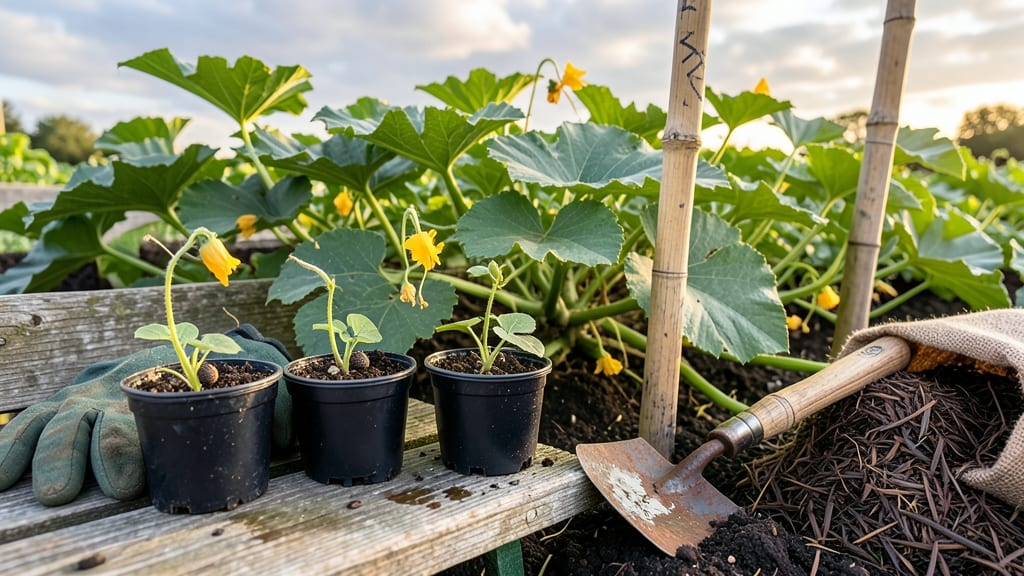
Planting pumpkins in Ohio at the wrong time can mean the difference between a bountiful harvest and a sad, wilted vine—especially when your soil temperature is still playing hide-and-seek with 50°F.
If you've ever waited too long and watched your pumpkin seeds rot or your seedlings freeze, you're not alone.
Ohio's 6a-6b climate throws a curveball with its unpredictable springs, but there's a sweet spot for planting 🎃 that guarantees faster germination and stronger vines. The key?
Waiting until after your last frost—typically mid-April—and when the soil hits that magic 60°F mark. Let me show you exactly when to plant for maximum success.
You might think starting early gives you an edge, but planting too soon risks frost damage or slow growth. Instead, we'll focus on the ideal window—mid-April to early June—and how to prep your soil for fast germination.
Whether you're sowing seeds directly or transplanting seedlings, these Ohio-specific tips will help you avoid common mistakes and set your pumpkins up for a thriving season.
Ready to grow pumpkins that actually take off? Let's dive into the soil temperature secrets and planting strategies that work in Ohio's climate—no more guesswork, just bigger harvests and happier vines.
Ohio pumpkin planting calendar: soil temperature rules for fast germination
Ohio’s spring soil temperatures can swing wildly, making pumpkin germination a tricky balance. The secret to fast, healthy starts lies in waiting for soil to warm to at least 50°F—but don’t rush!
Planting too early risks rot or frost damage, while waiting too long cuts your harvest window. Ohio’s USDA zones 6a-6b typically see reliable soil warmth by mid-April to early May, but your exact timing depends on microclimates.
For optimal germination, aim for soil temps between 60°F and 90°F. Pumpkin seeds germinate fastest at 80°F, but they’ll still sprout at 50°F—just much slower. Use a soil thermometer to check depths of 1 inch (where seeds are planted).
If your mornings still dip below 40°F, hold off—cold soils lead to damping-off disease and weak seedlings.
Ohio’s last average frost date hovers around April 15, but don’t let that fool you. Frost can linger in valleys and low-lying areas until May 1, while southern Ohio may be frost-free by April 1.
To play it safe, wait until two weeks after your local frost date—or use row covers for early starts.
Here’s the golden window for Ohio pumpkin planting: mid-April to early June. This gives vines 90-120 days to mature before first frost (mid-October). For bush varieties (like ‘Jack Be Little’), you can push planting to late May, but vining types need earlier starts to maximize size.
| Planting Window | Soil Temp Requirement | Last Frost Buffer | Germination Speed | Ohio Risk Level |
|---|---|---|---|---|
| Mid-April | 50°F+ (minimum) | High (frost risk) | Slow (50-60°F) | ⚠️ Moderate |
| Late April | 60°F+ (ideal) | Low (safe) | Fast (7-14 days) | ✅ Low |
| Early May | 65°F+ (optimal) | None | Very Fast (5-10 days) | ✅ None |
| Late May | 70°F+ (best) | N/A | Fastest (3-7 days) | ⚠️ Late-season risk |
| Early June | 75°F+ (peak) | N/A | Fast (5-10 days) | ⚠️ Short season |
If you’re starting seeds indoors, begin 4-6 weeks before your target outdoor planting date (so mid-March to early April). Use biodegradable pots and transplant seedlings when soil hits 60°F. Harden off seedlings for 5-7 days before moving them outside to avoid transplant shock.
Ohio’s northern counties (like Cleveland) often need to wait until early May for safe planting, while southern Ohio (Cincinnati, Columbus) can start by mid-April. Check your local cooperative extension office for hyper-local frost data—even a 5-mile difference can mean 2 weeks of planting window.
Best pumpkin varieties for Ohio’s climate and their ideal planting times
Ohio’s diverse microclimates mean some pumpkin varieties thrive better than others. The right variety paired with the perfect planting window can mean the difference between a bountiful harvest and struggling vines.
For Ohio’s 6a-6b zones, I’ve narrowed it down to the top 5 varieties that handle our humid summers and cool springs like pros.
Each of these varieties has been tested in Ohio gardens and delivers reliable results when planted at the right time. Whether you’re growing for carving, baking, or just the joy of watching those vines sprawl, these picks are winners.
Let’s dive into their ideal planting windows and soil prep secrets to set you up for success.
🎃 Comparison Table: Ohio’s Best Pumpkin Varieties & Planting Times
| Variety | Days to Maturity | Best Planting Window | Soil Prep Tip | Ohio-Specific Note |
|---|---|---|---|---|
| Howden | 85-90 days | Mid-April to early May | Add compost for fast germination | Disease-resistant; great for carving |
| Jack Be Little | 75-80 days | Late April to mid-May | Use well-draining soil | Compact size; perfect for containers |
| Cinderella | 90-100 days | Early May to early June | Test soil pH (6.0-7.0) | Long vines; needs space |
| Waltham Butternut | 85-95 days | Late April to early May | Mulch to retain moisture | Sweet flesh; great for baking |
| Small Sugar | 80-85 days | Early May to mid-May | Warm soil (60°F+) | Tolerates heat well |
For Ohio’s southern regions, you can plant as early as mid-April if your soil warms up quickly. But in northern Ohio, wait until early May to avoid frost damage.
The Howden and Jack Be Little varieties are my top picks for beginners—they’re fast-growing and forgiving of Ohio’s unpredictable weather.
Pro tip: If you’re in a short-season area, opt for varieties like Jack Be Little or Small Sugar, which mature in 75-85 days. This gives them enough time to thrive before Ohio’s first frost in mid-October.
Always plant seeds 1 inch deep in hills spaced 2-3 feet apart for optimal airflow and growth.
Don’t forget to mulch after planting to lock in moisture and keep roots cool during Ohio’s hot summers. This simple step can double your chances of a successful harvest by preventing soil crusting and weed competition. Happy planting—and may your pumpkins grow big and bold!