
Plants
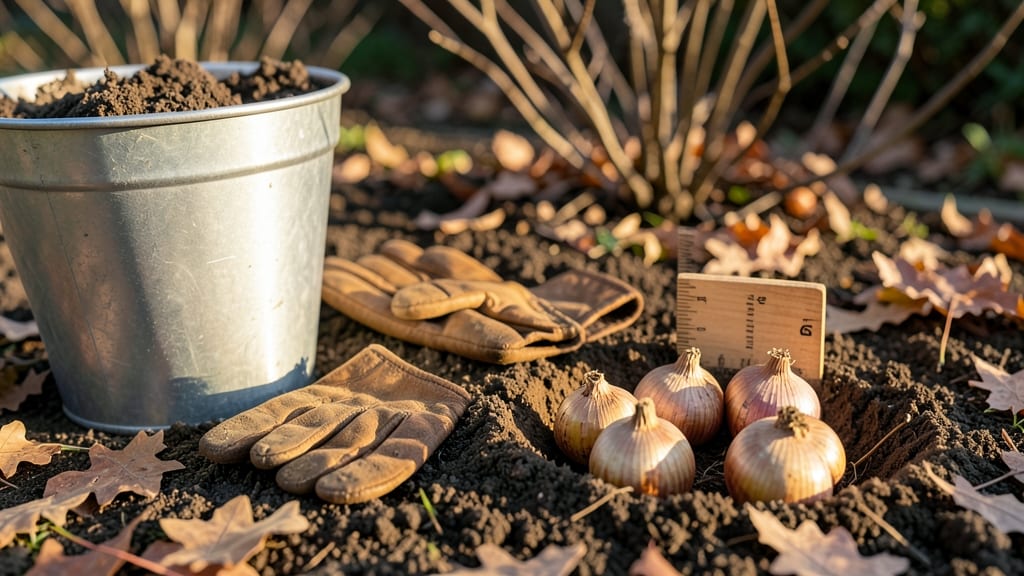
Planting bulbs at the wrong time could mean waiting another year for those vibrant blooms you crave—so when should you actually get them in the ground? The answer isn’t just about seasons, but also about moon phases, soil temperatures, and even your local frost dates.
Most gardeners know spring-flowering bulbs like tulips and daffodils thrive when planted in fall, but did you know that planting them 6-8 weeks before the first frost gives roots time to establish? For USDA Zone 6a, that’s typically between mid-September and early October—but timing shifts north or south.
And here’s the secret: planting during a waxing moon (when roots grow strongest) can make all the difference in bloom size and vigor.
But what if you missed the fall window? Don’t panic—many bulbs, like garlic or summer-dormant dahlias, can still go in during early spring, just 4-6 weeks before your last frost.
The key is preparing the soil right: loose, well-draining earth with a sprinkle of compost ensures your bulbs wake up ready to grow.
Ready to transform your garden? I’ll walk you through the exact months, moon phases, and soil prep steps to guarantee stronger blooms and fewer disappointments. Let’s get those bulbs planted the right way!
Best months to plant bulbs by climate Zone (with moon phase alignment)
Timing your bulb planting isn’t just about seasons—it’s about matching your local climate zone with the moon’s energy. Whether you’re growing tulips, daffodils, or garlic, planting at the right time ensures stronger roots and bigger blooms.
Most gardeners focus on USDA zones 3-10, but even within those, your first frost date and moon phase can shift your planting window by weeks.
For example, in Zone 5, fall-planted bulbs like tulips need to be in the ground by mid-October to establish roots before winter. But in Zone 9, where winters are mild, you can plant as late as December.
The key is to give bulbs 6-8 weeks of cool soil before dormancy sets in. Moon phase alignment adds another layer—planting during a waxing moon boosts root growth, while a waning moon is better for blooms.
Here’s how to align your bulb planting schedule with both your climate zone and the moon’s cycles for maximum success.
If you’re in Zone 3 or 4, focus on fall planting (September-October) for spring blooms. The waxing moon in these months signals strong root development, which is critical for bulbs like tulips and daffodils that need time to establish before winter.
In Zone 5-6, you’ve got a slightly longer window—plant in October-November for fall roots or March-April for spring blooms.
For warmer zones (7-10), the rules shift. In Zone 7-8, you can plant lilies and dahlias as late as December if you’re aiming for spring blooms, but align with a waning gibbous moon to encourage vibrant flowers.
In Zone 9-10, where winters are mild, garlic and onions thrive when planted in December-January under a full moon for balanced growth.
Pro tip: Check your local frost dates and count backward 6-8 weeks for fall planting. For spring planting, aim for 4-6
Moon phase secrets: how to plant for maximum bloom power
Planting bulbs under the right moon phase can transform your garden—think vibrant colors, stronger stems, and longer vase life. The moon’s gravitational pull influences water absorption and nutrient flow, making timing as critical as soil prep.
For spring-flowering bulbs like tulips and daffodils, aim for the waning moon (after the full moon) to boost root growth before dormancy.
For summer-blooming bulbs such as dahlias or cannas, the waxing moon (before the full moon) encourages above-ground growth. This phase aligns with their need for rapid foliage development before flowering. Even edible bulbs like garlic or shallots benefit—planting during the root sign (waning moon) ensures sweeter, larger harvests.
| Moon Phase | Best For | Planting Tip |
|---|---|---|
| Waning Moon (Root Sign) | Spring bulbs (tulips, daffodils) | Plant 6-8 weeks before frost |
| Waxing Moon (Flower Sign) | Summer bulbs (dahlias, lilies) | Plant after last frost |
| Full Moon | All bulbs (peak energy) | Avoid planting—highest sap flow |
| New Moon | Edible bulbs (garlic, onions) | Plant for strongest roots |
To harness these secrets, start by checking a lunar planting calendar for your region. For example, if you’re in USDA Zone 6, plant tulip bulbs during the waning moon in October for next spring’s showstopper blooms.
The key is aligning the moon’s energy with the bulb’s growth stage—roots thrive under the waning moon, while flowers benefit from waxing energy.
Pro tip: Mark your calendar for the next root sign (waning moon) and prepare your soil with compost and bone meal to give bulbs a nutrient boost. Avoid planting during the full moon, when sap flow is highest and roots may struggle to establish.
Instead, use this time for mulching or weeding to support existing plants.
For container gardening, follow the same moon phase rules but adjust planting depth—containers dry out faster, so ensure well-draining soil and water deeply after planting. Place pots near a south-facing window to maximize sunlight, especially for tulips or hyacinths, which crave 6+ hours of sun daily.
Remember, the moon’s influence isn’t magic—it’s science. By syncing your planting with lunar cycles, you’ll see healthier roots, brighter blooms, and even longer vase life for cut flowers. Start experimenting this season, and watch your garden flourish under the stars! 🌱🌿