
Plants
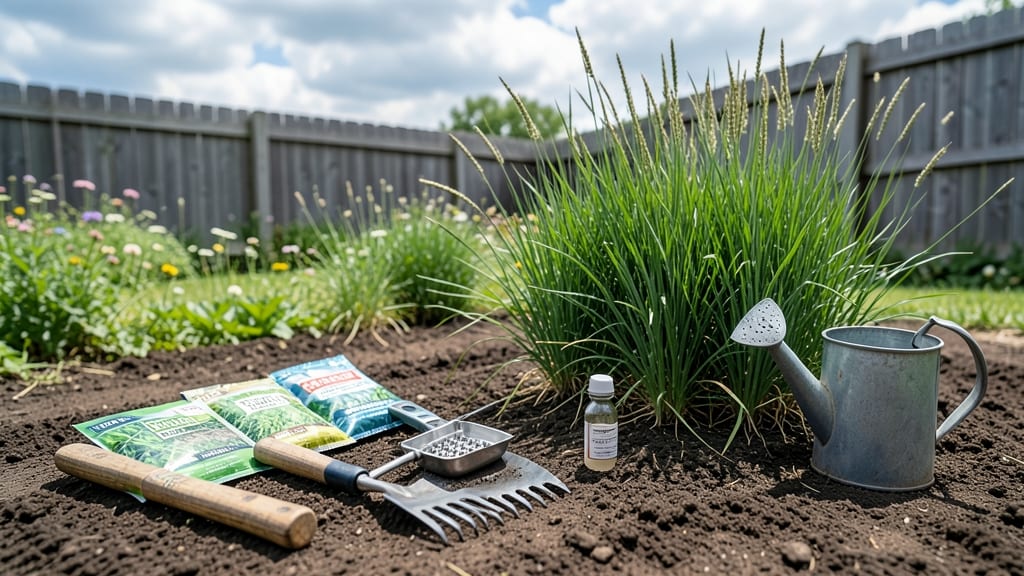
Planting grass seed in Missouri at the wrong time can mean the difference between a lush, green lawn and months of patchy disappointment.
The key isn't just picking a month—it's understanding how your region's unique climate, from St. Louis to Kansas City, dictates the best window for strong root growth before winter sets in.
Most gardeners know spring is ideal, but fall offers a secret advantage: cooler temperatures and fewer weeds give grass seed a fighting chance to establish deep roots before frost.
In Missouri's 5b-6b zones, timing matters even more—plant too early, and you risk weak seedlings; too late, and winter will stall progress entirely.
I've seen firsthand how a 4-week window in early fall (September-October) can transform a struggling lawn, while spring planting (March-April) requires extra care to avoid summer stress.
Let me walk you through the exact signals to watch for—soil warmth, moisture, and even weed activity—that tell you when your Missouri yard is truly ready for grass seed.
Whether you're seeding a new yard or repairing bare spots, these insights will help you choose the perfect moment—because in Missouri, nature doesn't wait, and neither should you. Let's get your lawn growing the right way.
Optimal Missouri grass seed planting months by region: northern vs southern climate zones
Missouri’s diverse climate zones create unique challenges for lawn care. The state spans USDA Zones 5b-6b, meaning northern areas like Kansas City experience earlier frosts than southern regions like St. Louis. Timing your grass seed planting correctly ensures strong root establishment before winter or summer heat stress.
For cool-season grasses (like Kentucky bluegrass and tall fescue, which dominate Missouri lawns), the ideal window is when soil temperatures consistently reach 50-65°F. This typically means late winter to early spring (March-April) or early fall (September-October), depending on your region.
Warm-season grasses like Bermuda and zoysia prefer soil temps above 65°F, making late spring to early summer (May-June) the best time to plant in southern Missouri. However, these varieties struggle in northern regions due to shorter growing seasons.
Here’s how Missouri’s three key regions differ in planting windows, including frost risks and soil temperature thresholds:
In northern Missouri, where winters are colder, aim to plant 4-6 weeks before the first frost in fall (typically late August to mid-September) or after the last frost in spring (mid-April to early May).
The shorter growing season demands faster germination, so choose fast-germinating varieties like tall fescue.
Southern Missouri’s milder climate extends the planting window. You can start as early as March (when soil warms to 60°F) or plant warm-season grasses like Bermuda in late spring. However, avoid planting in summer heat (above 85°F), as seeds may dry out before germinating.
For rural areas, where microclimates vary, monitor local weather patterns. Use a soil thermometer to confirm temperatures—50°F is the minimum for cool-season grasses, while warm-season types need 65°F+. If your soil is too cold, wait 1-2 weeks for better success.
Pro tip: Early fall planting (September-October) often yields the best results statewide. Cooler temps reduce weed competition, and consistent rainfall in fall helps roots establish before winter dormancy. Just avoid planting if frost is forecasted within 2 weeks.
🌱
Signs your Missouri soil is ready for grass seed (beyond just the calendar)
Relying solely on the calendar for planting grass seed in Missouri can backfire—especially with our unpredictable spring rains and drought-prone summers. Instead, focus on soil conditions that signal true readiness. The right moisture levels, weed activity, and soil temperature are better indicators than dates alone.
These signs help you avoid planting when your seed might wash away or rot in soggy soil.
First, check your soil moisture by grabbing a handful of dirt. If it crumbles easily when dry but holds shape when moist, it’s ideal for seeding. Overly wet soil—common after Missouri’s late spring downpours—can suffocate seeds, while bone-dry soil (typical in summer droughts) prevents germination.
Aim for soil that feels like a wrung-out sponge—firm but not soggy.
Next, observe weed activity. Vigorous weeds like dandelions or crabgrass mean your soil is warm and active, perfect for grass seed. However, if weeds are dormant or sparse, your soil may still be too cold (early spring) or too dry (late summer).
Weeds act as nature’s readiness barometer, so pay attention to their growth patterns.
🌱
Don’t let a warm February day trick you into planting early. Missouri’s late frosts (even in April) can kill tender grass seedlings. Wait until soil stays at 50°F+ for 5+ days—use a soil thermometer to confirm. Fall planting? Stop 6 weeks before first frost (usually mid-October) to let roots establish before winter.
Another key sign is soil temperature. Grass seed needs soil between 50°F and 65°F to germinate properly. Cool-season grasses (like tall fescue) thrive in spring or fall when temps hover in this range, while warm-season grasses (like Bermuda) prefer 75°F+—rarely ideal for Missouri’s summer planting.
Use a soil thermometer ($10 at garden centers) to avoid guesswork.
Finally, consider local rainfall forecasts. Missouri’s variable spring rains can turn your seeding area into mud, while summer droughts dry out soil too quickly. Check the 7-day forecast—plant when steady rains are predicted (for moisture) but avoid prolonged downpours (which erode seed).
In drought-prone summers, water deeply before planting to mimic ideal conditions.
Adjust your timing based on these signs, not just the calendar. For example, if your soil is too cold in March but weeds are sprouting, wait a week or two.
If summer heat arrives early (like in 2023), shift to late August seeding for warm-season grasses. Flexibility beats rigid dates in Missouri’s changing climate.
☀️